
- India,
- 05-Jun-2026 07:07 PM IST



The International Cricket Council (ICC) has introduced a groundbreaking trial rule in Test cricket that allows for the use of both red and pink balls within a single match. This decision aims to tackle the persistent issue of bad light, which often leads to premature ends to play and forced draws. Indian National Team Head Coach Gautam Gambhir has come forward to voice his strong support for this historic move, highlighting its potential to ensure more decisive outcomes in the longest format of the game.
The Mechanics of the New ICC Rule
According to the decisions made during the recent ICC board meeting, Test matches will continue to commence with the traditional red ball. However, the new regulation addresses the scenario where visibility becomes an issue due to fading natural light. In such instances, the stadium's floodlights will be activated to improve visibility, while since the red ball is notoriously difficult to spot under artificial lights, the rule permits a switch to the pink ball to allow play to continue. This trial is set to become effective from October 1, provided that both competing teams give their prior consent to the arrangement.
Gautam Gambhir's Perspective on Results
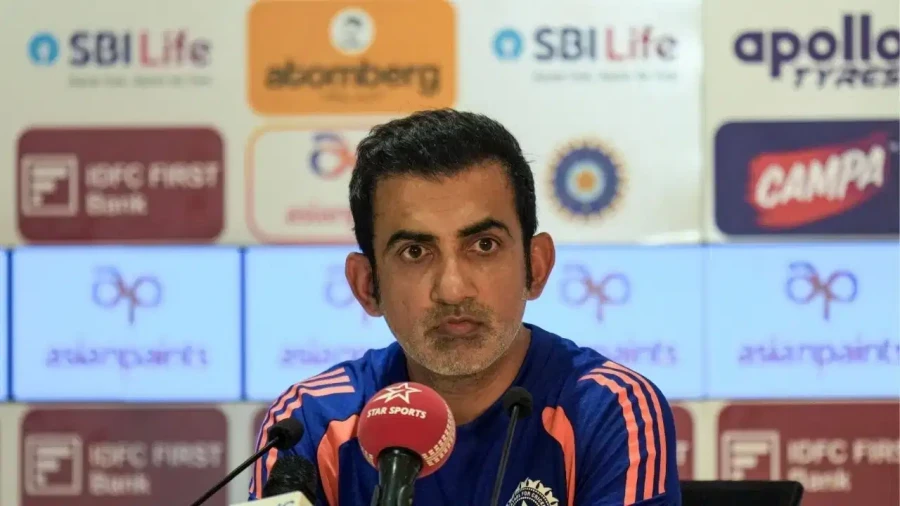
Speaking at a press conference ahead of India's one-off Test match against Afghanistan, Gautam Gambhir expressed his approval of the change. He stated, "I like this rule, while " Gambhir emphasized the importance of reaching a conclusion in matches, especially when high stakes are involved. He painted a scenario involving the World Test Championship (WTC), saying, "Imagine that you're playing the last Test match before the World Test Championship final and you've a chance to qualify by winning that Test match. If that isn't happening because of bad light, it's frustrating.
Challenges for the Players
While supportive of the rule's intent, the Indian head coach didn't shy away from acknowledging the technical difficulties it might pose for the cricketers on the field. Transitioning from a red ball to a pink ball in the middle of an innings or a day's play can be a significant adjustment for both batsmen and bowlers. " His comments suggest that the benefit of achieving a fair result outweighs the temporary discomfort of switching equipment.
Implementation and Future Outlook
The rule is designed to prevent the loss of crucial overs that often go to waste when play is halted early. By utilizing the pink ball under lights, the ICC hopes to maintain the momentum of the game and provide fans with a full day of cricket regardless of lighting conditions. The requirement for mutual consent ensures that no team is forced into the switch without agreement, maintaining the competitive integrity of the match. As the rule takes effect on October 1, the cricketing world will be watching closely to see how this trial impacts the dynamics of Test matches and whether it becomes a permanent fixture in the sport's regulations.