
- India,
- 31-May-2026 10:28 PM IST



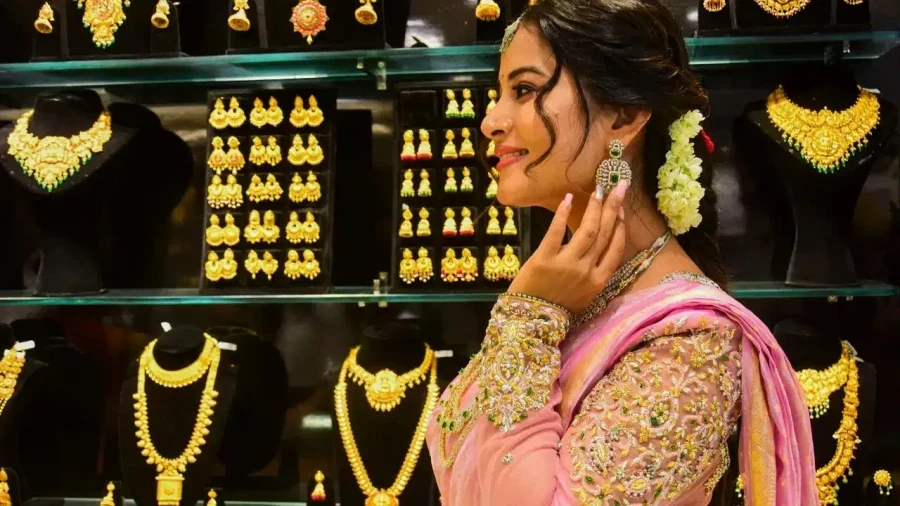
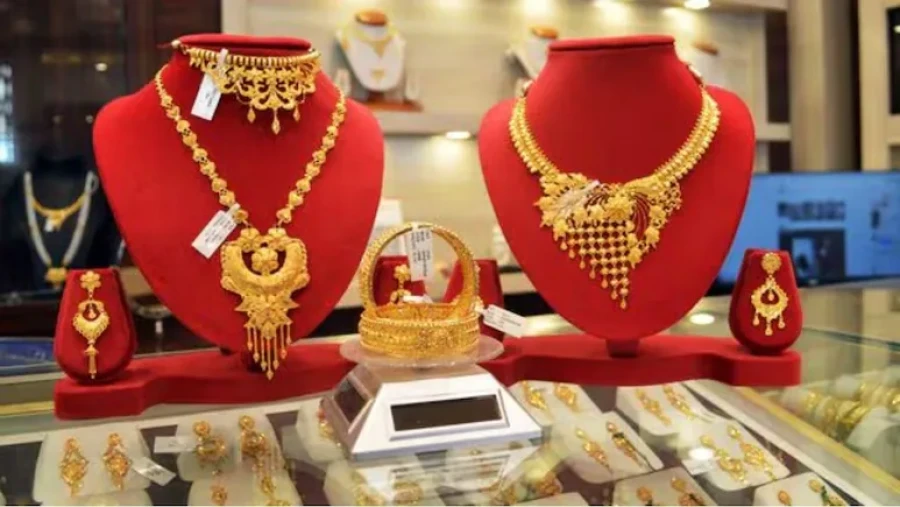
Gold holds a special place in the hearts of Indian consumers, serving as a symbol of wealth and a mandatory purchase during weddings and festivals like Diwali and Dhanteras. However, a significant price disparity exists between the Indian market and international hubs like Dubai, the USA, and Singapore. Recent data indicates that gold in India is nearly 18 percent more expensive than in the global market. This means that for every one lakh rupees spent on gold in India, a consumer is effectively paying 18000 rupees more than they would in a tax-free or low-tax international market. Understanding the underlying reasons for this price hike is essential for both common buyers and long-term investors to make informed financial decisions.
The Statistical Reality of Price Surges
The price trajectory of gold in 2026 highlights the growing gap between domestic and international rates. On January 1, 2026, the price of 24-carat gold in India was recorded at 132614 rupees per 10 grams. Within a short span of five months, by May 2026, the price witnessed a massive jump of 23615 rupees, reaching a record-breaking level of 156229 rupees per 10 grams. In contrast, the international market saw a much more stable trend. During the same period, global gold prices moved from 4319 dollars per ounce to 4388 dollars per ounce. 6 percent, the Indian market saw a growth of nearly 18 percent, showcasing a massive divergence in pricing.
The Burden of Import Duties and Taxes
The primary reason for gold being more expensive in India is the heavy taxation structure, while india isn't a major producer of gold and relies on imports for 80 to 90 percent of its total requirement. To manage the trade deficit and protect the foreign exchange reserves, the government imposes a high import duty on gold, while in addition to the basic customs duty, the government also levies an Agriculture Infrastructure Development Cess. On top of these costs, a 3 percent Goods and Services Tax (GST) is applied to the final value. By the time the gold reaches the retail jeweler, these cumulative taxes make the metal Notably more expensive. Plus, jewelers add making charges, which can range from 10 percent to 25 percent, further increasing the financial burden on the end consumer.
Currency Fluctuations and the Dollar Factor
Another critical factor influencing gold prices in India is the exchange rate between the Indian Rupee and the US Dollar. Gold is traded globally in US dollars. When the value of the rupee weakens against the dollar, the cost of importing gold increases automatically. Even if the price of gold remains stagnant in the international market, Indian importers have to pay more in rupee terms to acquire the same quantity of gold. This increased cost is directly passed on to the Indian consumers, making gold more expensive domestically compared to countries with stronger currencies or lower import dependencies.
Impact on Consumers and Investment Strategy
For the middle-class family planning a wedding, these high prices pose a significant challenge. With gold being 18 percent more expensive, budgets are stretched thin, often resulting in people buying less gold than planned. To mitigate these costs, experts suggest focusing on lighter jewelry designs or considering 18-carat gold instead of 22-carat for certain items. Also, exchanging old gold for new designs can be a cost-effective strategy. For investors, however, the rising prices are often seen as a positive sign. Gold is considered a safe haven during times of global economic uncertainty, and despite the high domestic costs, it has historically provided strong returns for those looking for long-term wealth preservation.