
- India,
- 18-May-2026 09:25 AM IST



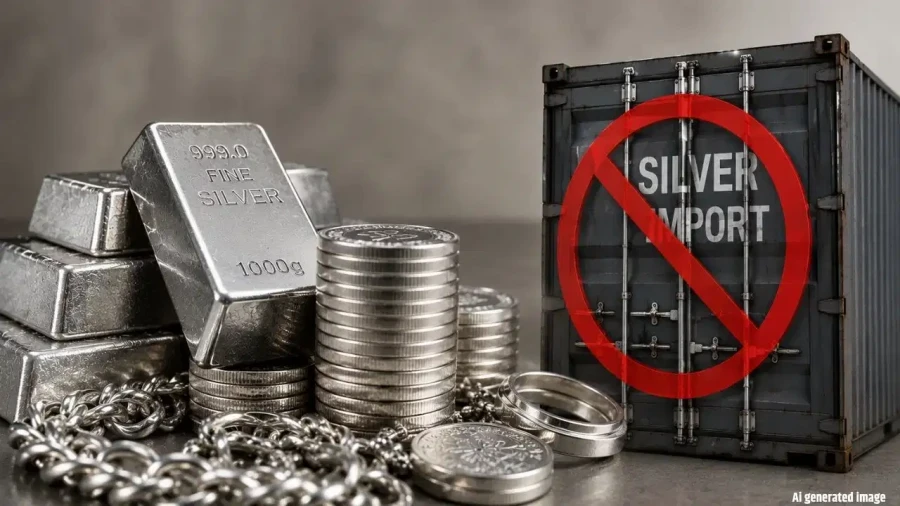
The Indian government has taken a significant step to tighten the rules surrounding the import of silver, moving it from the 'free' category to the 'restricted' list. This major policy shift is aimed at protecting the nation's foreign exchange reserves and conserving the US dollar amid global economic uncertainties. Under the new regulations, silver can no longer be imported into the country without prior approval from government authorities. Market experts believe that this restriction will lead to a substantial decrease in the supply of silver in the domestic market, which could cause prices to reach record highs in the coming days.
Why the Government Imposed Restrictions
Silver is the second most purchased precious metal in India after gold, making it a critical component of the domestic economy. The decision to restrict its import comes at a time when the global economy is under stress due to the ongoing conflict between Iran and the United States. This geopolitical tension has put immense pressure on India's foreign exchange reserves. Since international trade is primarily conducted in US dollars, every major import leads to an outflow of dollars from the country. By restricting silver imports, the government aims to minimize this outflow and stabilize the national economy.
Historical Context and Previous Measures
This move is part of a broader strategy to manage the country's trade deficit and protect its financial health. Previously, Prime Minister Narendra Modi had appealed to the citizens of India to refrain from purchasing gold for at least one year to help save foreign currency. Also, the government had already increased the custom duty on gold and silver from 6 percent to 15 percent. The transition of silver from the 'free' list to the 'restricted' list is the latest and most stringent measure in this series of economic interventions. Importers will now have to navigate a complex approval process involving government officials before they can bring silver into the country.
Scope of the New Import Restrictions
The new policy covers a wide range of silver products. 9 percent purity. The restrictions also extend to semi-manufactured silver and silver in powder form. Since India's domestic production of silver is quite low, the country relies heavily on imports to meet its vast demand, while the scarcity of dollars and concerns over a widening trade deficit have forced the government to treat silver not just as a commodity, but as a sensitive asset that directly impacts the nation's foreign exchange stability.
Impact on Supply and Market Prices
Market analysts are warning that the new approval process for importers could be complicated and time-consuming, leading to a shortage of physical silver in the domestic market. If the supply of physical silver drops, prices on the Indian markets, such as the Multi Commodity Exchange (MCX), are expected to rise much faster than international prices. This situation could also lead to an increase in premiums in the domestic market. During times of economic tension, the gap between domestic and international prices often widens, further burdening the consumers.
Industrial Consequences and Consumer Burden
The impact of this decision extends beyond jewelry and silverware. Silver is an essential raw material for several major manufacturing industries, including solar panels, electronics, and semiconductors, while there is a growing fear that the disruption in the supply chain could prompt businesses to start hoarding silver stocks on a large scale. A sudden surge in demand coupled with restricted supply is highly likely to cause an unprecedented jump in prices. Ultimately, the financial burden of these increased costs will fall on the common consumer, who will have to pay Notably more for silver jewelry, coins, and industrial products.