

- India,
- 18-May-2026 09:20 AM IST


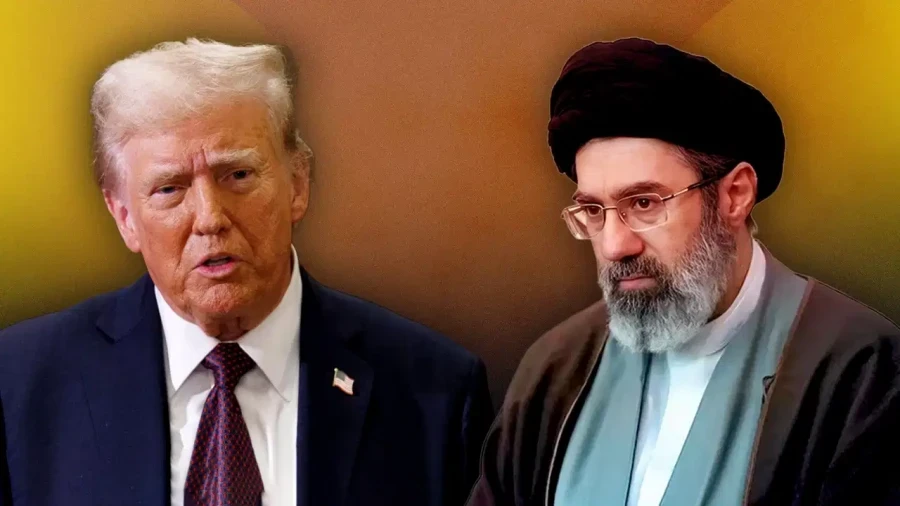
The geopolitical landscape remains tense as peace negotiations between Iran and the United States have once again reached a stalemate. Despite the implementation of a ceasefire, both nations have presented a series of stringent conditions that have hindered the progress of a permanent peace agreement. According to reports from Iran's Fars News Agency, the United States has put forward five major demands that Iran must meet to move forward with the diplomatic process.
The United States' Five Demands
The primary demand from the American side involves Iran's nuclear capabilities. The United States has insisted that Iran must hand over 400 kilograms of its high-enriched uranium. On top of that, Washington expects Tehran to limit its nuclear activities Notably, suggesting that Iran should only keep one nuclear facility operational while shutting down or restricting others. A significant point of contention is the financial aspect of the deal. The United States has explicitly stated that it won't provide any compensation for damages incurred during the conflict. S, while isn't prepared to return the full amount of Iranian assets currently frozen in foreign accounts; instead, it's willing to release less than 25 percent of the total funds. The final condition involves a reduction in military activities across the region during the negotiation period, with future actions being contingent upon the progress of the talks.
Iran's Counter-Conditions for Peace
In response to the American proposal, Iran has laid out its own set of five conditions, making it clear that negotiations can only proceed if these terms are addressed. Iran has demanded an immediate cessation of all military actions across the region, with a specific emphasis on ending military operations currently taking place in Lebanon, while central to Iran's demands is the complete removal of all economic sanctions that have been imposed on the country. Tehran is also insisting on the full return of all its assets held abroad, rejecting the American offer of a partial release, while Plus, Iran is seeking financial compensation for the losses suffered during the war. Perhaps one of the most significant geopolitical demands is Iran's insistence that its rights and authority over the Strait of Hormuz be officially recognized by the international community and the United States.
The Role of Pakistan as a Mediator
Pakistan has emerged as a crucial intermediary in this diplomatic standoff. The latest proposal from the United States was reportedly delivered to Iran through Pakistani channels. Similarly, Iran utilized the same diplomatic route to send its formal response back to Washington. This exchange highlights the delicate nature of the communication between the two adversaries. Esmaeil Baghaei, the spokesperson for the Iranian Foreign Ministry, has pointed fingers at both the United States and Israel, accusing their military actions of escalating the regional crisis. Baghaei stated that the actions of these two nations have severely undermined the peace process. S. nor the Iranian government has officially confirmed the specific details of these demands.
Threats and Warnings Amidst the Ceasefire
The situation is further complicated by rhetoric from political and military leaders. Donald Trump has issued a stern warning, threatening a large-scale attack if a deal isn't reached swiftly, while on the other side, Shahram Iranshahr, a senior spokesperson for the Iranian army, has issued a counter-warning. He stated that if the United States initiates another attack, Iran's response will be Notably more severe than before. While a ceasefire is currently in place, the lack of consensus on these five conditions from both sides suggests that a permanent peace treaty remains a distant goal.
