
- India,
- 17-May-2026 10:01 PM IST



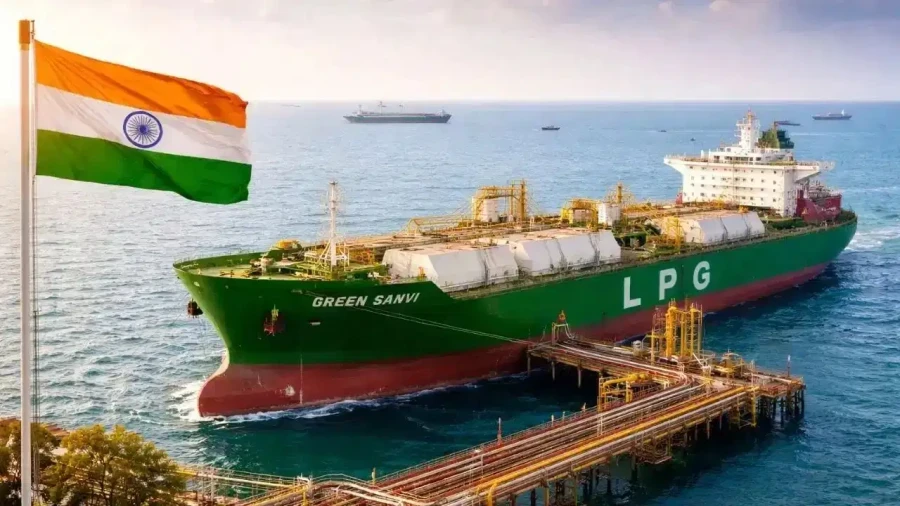
Amidst the escalating tensions in West Asia and growing concerns over a potential global energy crisis, a vessel carrying 20,000 tons of Liquefied Petroleum Gas (LPG) from Qatar has successfully docked at the Deendayal Port in Kandla, Gujarat. Officials confirmed on Sunday that the arrival of this shipment is a significant milestone for India's energy security, especially given the volatile situation in the maritime corridors of the Middle East. The safe passage of this cargo highlights India's ongoing efforts to maintain a steady supply of essential fuels despite regional instability.
The Journey of MV Simi
The vessel, named MV Simi, which sails under the flag of the Marshall Islands, commenced its journey from Qatar with a critical load of 20,000 tons of LPG. Navigating through one of the world's most sensitive maritime zones, the ship crossed the Strait of Hormuz on May 13. After completing its transit through the high-risk area, the tanker reached the Kandla port at approximately 11:30 PM on Saturday night. The safe arrival of this cargo is seen as a major relief for Indian authorities who are closely monitoring the impact of regional conflicts on essential commodity supplies, while the timing of this arrival is particularly crucial as the conflict in West Asia has Importantly increased the threat levels for commercial shipping in these waters.
Strategic Importance of the Strait of Hormuz
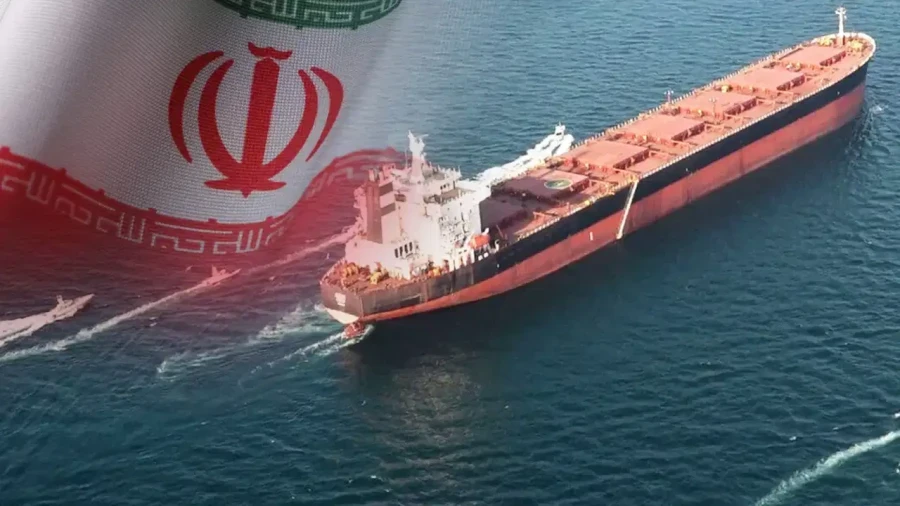
The Strait of Hormuz, located off the coast of Oman, is recognized as one of the most vital maritime trade routes in the world. It serves as a primary artery for global energy, with approximately 20 percent of the world's total energy supply passing through this narrow waterway. The ongoing conflict in West Asia has heightened international concerns regarding the security of this route. Tensions have deepened following joint operations by the United States and Israel against Iranian interests, leading to retaliatory actions that have increased uncertainty in the global energy market. For a country like India, which relies heavily on imports to meet its energy requirements, any disruption in this passage could have a direct and severe impact on the domestic supply of oil and gas.
Indian Maritime Activity and Safety Records
According to official data, Indian maritime operations have continued despite the risks, while since the beginning of March, a total of 13 Indian-flagged vessels have successfully navigated the Strait of Hormuz. This fleet includes 12 LPG tankers and one vessel carrying crude oil. The successful transit of these ships is a testament to the strategic coordination and monitoring of Indian maritime interests in the region. However, the risks remain real, as evidenced by an incident on May 13 where an Indian-flagged commercial vessel was attacked near the coast of Oman. In that instance, Omani authorities managed to rescue all 14 crew members on board, although the identity of the attackers has not yet been confirmed.
India's Stance at the United Nations
The security of maritime trade routes has also become a point of diplomatic discussion. Parvathaneni Harish, India's Permanent Representative to the United Nations, has expressed serious concern over the situation. He stated that targeting merchant vessels in the Strait of Hormuz and endangering the safety of crew members is completely unacceptable. He emphasized that maintaining the freedom of navigation on international maritime routes is essential for global trade and stability. India continues to advocate for the protection of commercial shipping and the safety of sailors who operate in these high-tension zones.