
- India,
- 17-Aug-2026 03:58 PM IST



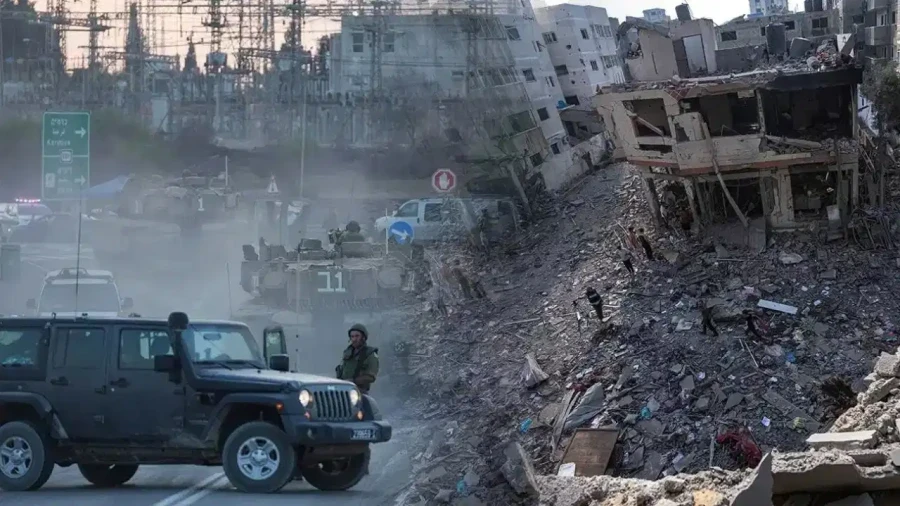
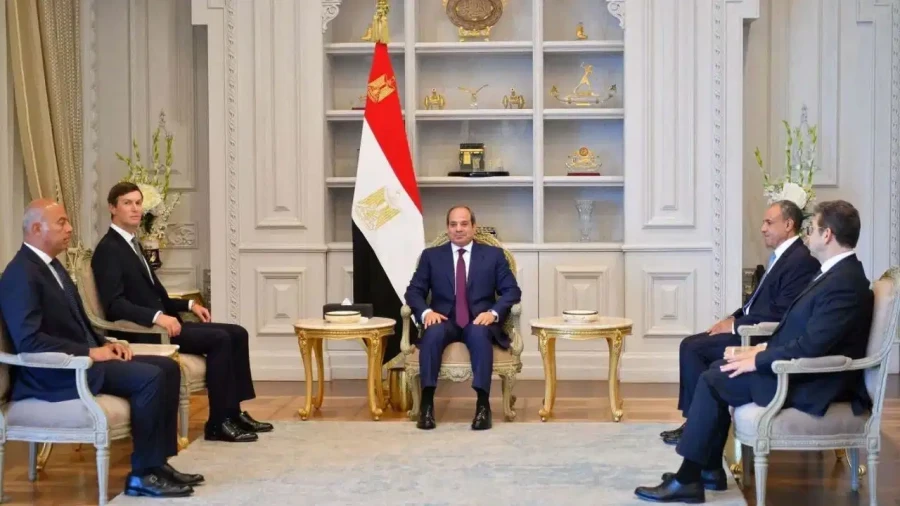
In a major diplomatic breakthrough that could redefine the geopolitical landscape of the Middle East, Hamas has reportedly expressed its readiness to disarm and relinquish its control over the Gaza Strip. This significant commitment was reiterated during a high-stakes meeting held in Egypt between Hamas leaders and Jared Kushner, the advisor to US President Donald Trump. The meeting, which lasted for approximately 90 minutes, served as a platform for intense discussions regarding the future of Gaza and the broader peace process in the region. According to sources familiar with the proceedings, Hamas leaders reaffirmed their pledge to transform Gaza into a zone free of weapons and military infrastructure, signaling a potential shift in their long-standing operational strategy.
The Demand for Concrete Action
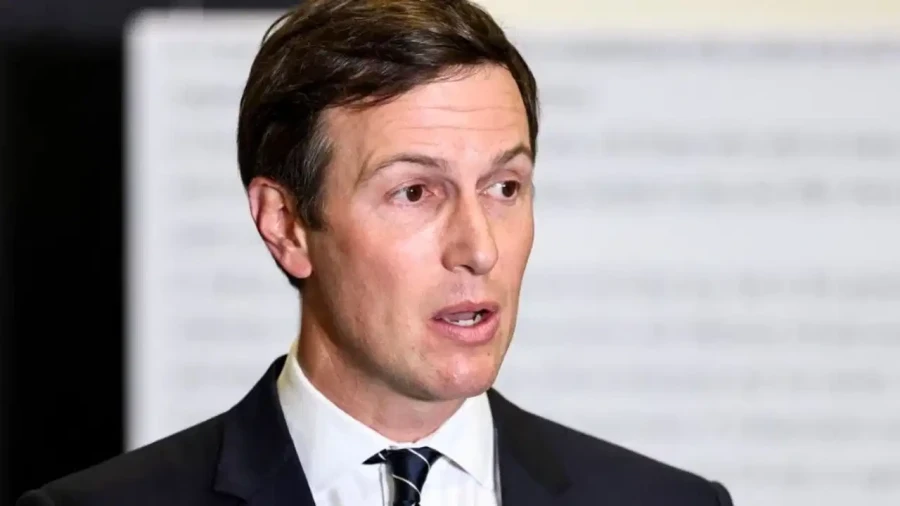
During the 90 minute session, Jared Kushner maintained a firm stance, emphasizing that mere promises from Hamas wouldn't suffice to move the peace process forward. Kushner explicitly told the Hamas delegation that the United States and the international community require tangible and concrete steps on the ground to demonstrate a genuine commitment to disarmament. The US position is clear: Hamas must begin the process of dismantling its military capabilities before any further diplomatic concessions can be considered. This demand stems from a deep-seated lack of trust, particularly from the Israeli side, regarding Hamas's willingness to actually follow through on its word. Kushner suggested that if Hamas takes verifiable steps toward disarmament, the United States would then exert pressure on Israel to take reciprocal actions as part of a broader peace framework.
Transition to a Technical Government
A pivotal point of the discussion involved the future governance of the Gaza Strip. Hamas leaders informed Kushner that they're prepared to hand over the administrative and governing responsibilities of Gaza to a Palestinian technical government. Under this proposed arrangement, Hamas would theoretically cease its interference in the day-to-day administration of the region once the technical government assumes its duties. The United States has been vocal about its requirement that Hamas should have no role in the future governance of Gaza. This transition would also necessitate the complete elimination of Hamas's military structures and weaponry, ensuring that the new administration can operate without the shadow of armed factions.
The 20 Point Peace Plan and Phase 2
The discussions in Egypt were centered around the second phase of a 20 point peace plan proposed by the Trump administration and the Board of Peace. This phase aims to build on initial agreements and move toward a more stable and peaceful environment, while if Hamas begins the disarmament process, the plan envisions several reciprocal steps from Israel. These include allowing the deployment of an International Stabilization Force within Gaza to maintain order and security. Plus, the plan outlines the commencement of reconstruction efforts in the Rafah area and opens the door for negotiations regarding the initial withdrawal of Israeli troops from certain sectors. The United States also expressed a strong desire to accelerate humanitarian aid to the people of Gaza, who have been severely impacted by the ongoing conflict.
Key Participants and Diplomatic Tensions
The meeting was attended by a high-level delegation from both sides and international mediators. Joining Jared Kushner were senior representatives from the Board of Peace, including Nikolay Mladenov, former British Prime Minister Tony Blair, and senior advisors Aryeh Lightstone and Liran Tankman, while on the Hamas side, political leader Khalil al-Hayya led the representation. The diplomatic efforts were further supported by the presence of Egyptian Intelligence Chief Hassan Rashad, Qatari diplomat Ali al-Thawadi, and a senior official from Turkey. Despite the constructive nature of the talks, Hamas expressed its deep frustration over ongoing Israeli military operations in Gaza. Kushner responded by noting that it had taken Hamas 4 months to reach a point of agreement on disarmament, highlighting the delays in the negotiation process.
Roadmap for the Future
This meeting marked the first direct interaction between Kushner and Hamas leaders since the Gaza agreement last October. Following the talks, Hamas indicated its agreement with the roadmap for Phase 2 of the Trump plan, which includes provisions for a permanent ceasefire, the complete withdrawal of Israeli forces from Gaza, continuous humanitarian assistance, and large-scale reconstruction. However, it's notable that Hamas's official public statement didn't explicitly mention the disarmament clause, instead focusing on accusations against Israel for failing to meet the conditions of Phase 1. The Board of Peace now expects Hamas to begin the physical removal of its weapons and military infrastructure. Meanwhile, Egyptian President Abdel Fattah al-Sisi emphasized to Kushner that Gaza has been a primary source of regional instability for years, and stabilizing the territory is essential for bringing peace to the entire Middle East.