

- India,
- 06-Sep-2025 12:40 PM IST


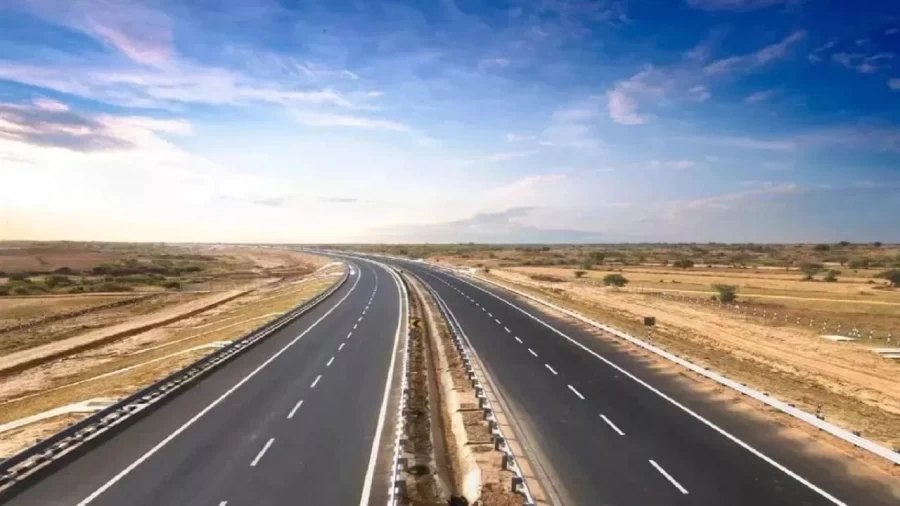
Modi 3.0 Government: The Government of India is working on a massive plan to modernize its transport infrastructure and reduce logistics costs. Under this scheme, a target has been set to increase the high-speed road network five times in the next decade. An investment of $ 125 billion i.e. about Rs 11 lakh crore is proposed for this. This move is a significant effort towards bringing India at par with other major economies globally, such as China and the US.
Scope and objectives of the scheme
Under this scheme, India will develop a 17,000 km (10,563 mi) long high-speed road network, which will allow vehicles to travel at a speed of 120 kilometers per hour. This network will provide faster, safer and more efficient connectivity than conventional highways. About 40% of the proposed network is already under construction and is expected to be completed by 2030. Work on the remaining corridors will start by 2028 and is targeted to be completed by 2033.
This effort will not only improve transportation but also enhance India's economic competitiveness by reducing logistics costs. Currently, India's national highway network is over 146,000 km long, but only 4,500 km meet high-speed standards. This scheme is important to bridge this gap.
India in a global perspective
China has built over 180,000 km of expressways since the 1990s, while the US maintains over 75,000 km of interstate highways. India's scheme, even though slightly smaller in scale, is able to attract private capital due to its ambitious timeline and hybrid financing model. This model encourages private companies to invest, increasing both the speed and quality of the project.
Private investment and financing model
Two major financing models are being adopted to promote the participation of private companies in this project:
Build-Operate-Transfer (BOT) model: This model is for those projects which have the potential to give 15% or more returns. Under this, private companies will build roads and recover their cost through toll.
Hybrid Annuity Model: This model will be used for projects with low returns, in which the government pays 40% of the construction cost in advance. Currently most of the projects are running under this model.
However, private interest in the road sector has been low in recent years. The government is now expecting more participation of the private sector. In this direction, global investors like Brookfield Asset Management, Blackstone Inc., Macquarie Group and Canada Pension Plan Investment Board have committed capital investment. Additionally, Adani Group has announced an investment of $ 18.4 billion in infrastructure including roads.
NHAI's role and budget
The National Highways Authority of India (NHAI) is leading the project. In the financial year ending March 2025, the NHAI spent a record Rs 2.5 trillion on road construction, an increase of 21% over the previous year. The government has increased the budget for roads and highways to Rs 2.9 trillion for the financial year ending March 2026. This increased budget will help further accelerate the pace of the project.
Future prospects
According to Deloitte India estimates, India can attract hundreds of billions of dollars of investment in infrastructure in the next three years due to policy support, increasing demand and the scale of planned projects. This will not only strengthen the transport network but will also accelerate the country's economic growth.
