
- India,
- 18-Sep-2026 07:16 AM IST



The Indian cricket team has registered a monumental victory against Afghanistan in the third and final T20 international, securing a 3-0 series whitewash. Played at the iconic Arun Jaitley Stadium in New Delhi on September 17, the match was a testament to India's growing dominance in the shortest format of the game. The Men in Blue defeated the Afghan side by a staggering margin of 127 runs, a victory primarily orchestrated by a historic batting display from opening sensation Abhishek Sharma. His performance was so overwhelming that his individual score of 108 runs surpassed the entire collective total of the Afghanistan team, which could only manage 94 runs before being bowled out.
Abhishek Sharma's Record-Breaking Blitzkrieg
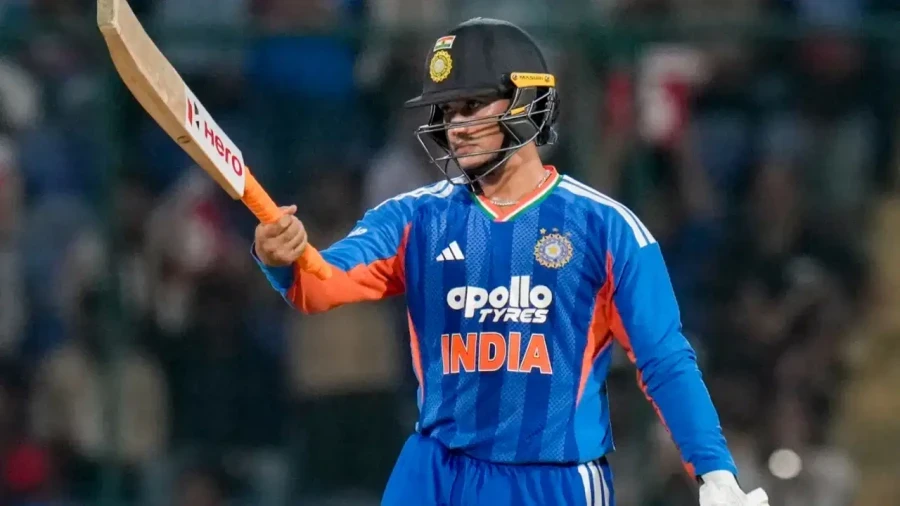
Abhishek Sharma, the left-handed opening batsman, was the undisputed star of the evening, while having shown glimpses of his destructive potential in the previous two matches of the series, he unleashed a full-scale assault on the Afghan bowlers in the final game. Abhishek reached his century in just 30 deliveries, etching his name in the history books by setting a new world record for the fastest century by a player from an ICC Full Member nation across all formats of international cricket. This extraordinary feat saw him break the record previously held by the legendary AB de Villiers, who had reached the milestone in 31 balls. Abhishek's innings of 108 runs came off just 34 balls and was punctuated by 11 massive sixes and 9 crisp boundaries.
The record-breaking spree didn't stop there. Abhishek reached his half-century in a lightning-fast 16 balls, providing the impetus for India to score 100 runs within the powerplay overs—a first-time achievement for the national team in T20 internationals. His third T20 international century was completed as early as the 9th over, leaving the opposition with no answers to his aggressive stroke play. The crowd at the Arun Jaitley Stadium witnessed a rare batting masterclass that combined raw power with clinical precision.
The Tale of Two Halves: India's Innings Progression
India's innings was a story of two distinct halves. During the first 10 overs, the Indian batsmen were scoring at an incredible rate, reaching 142 for the loss of only one wicket. At that stage, a total well beyond 250 seemed inevitable. However, the departure of Abhishek Sharma in the 10th over triggered a significant slowdown. The middle and lower order found it difficult to maintain the high tempo set by the openers. In the subsequent 10 overs, India could only add 79 runs to their tally while losing 6 wickets in the process. The team eventually finished their 20 overs with a total of 221 for 7.
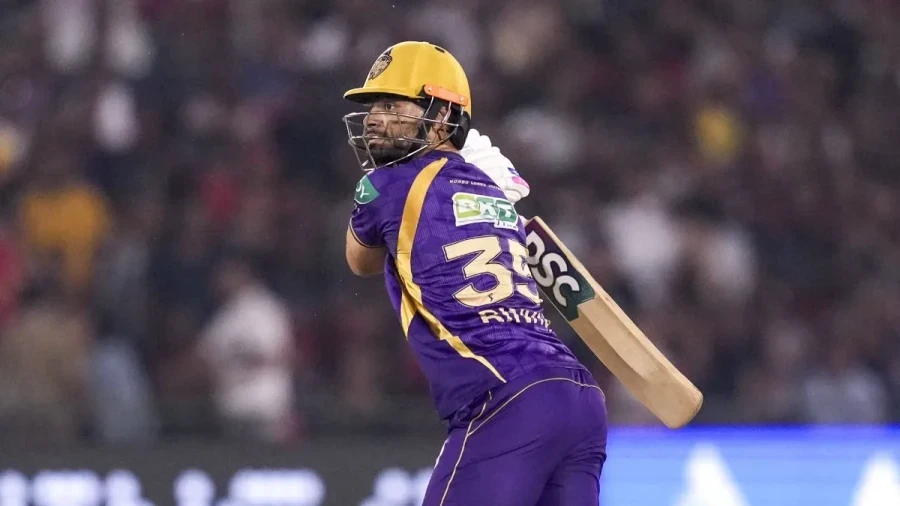
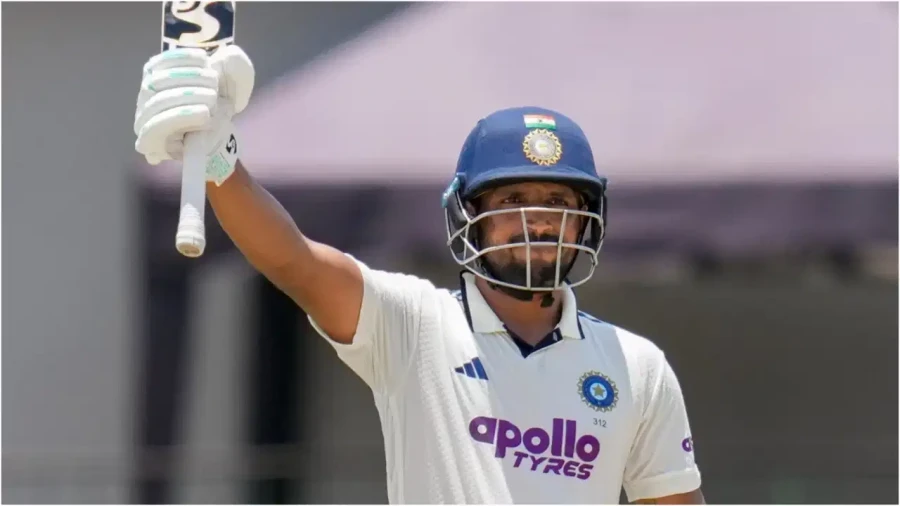
While Abhishek stole the limelight, Sanju Samson played a vital supporting role, scoring 50 runs to record his second consecutive half-century of the series. Captain Shreyas Iyer also chipped in with a useful 29 runs. Despite the late-innings stutter, the foundation laid by Abhishek and Samson ensured that India had a formidable total on the board, putting immense pressure on the Afghan chase from the very beginning.
Afghanistan's Collapse and India's Bowling Masterclass
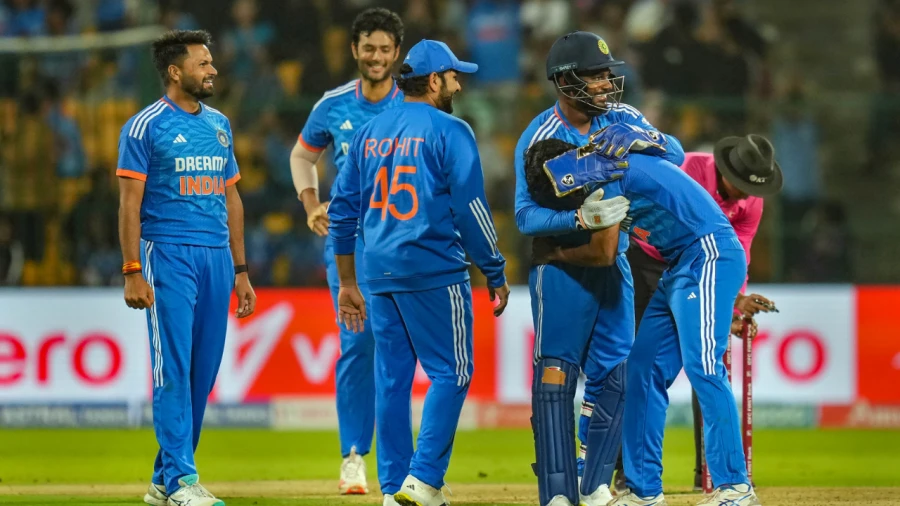
Afghanistan's pursuit of the 222-run target began with a flurry of boundaries, as they raced to 31 runs in the first 3 overs. However, any hopes of a competitive chase were quickly dashed by the Indian bowling attack. Axar Patel provided the crucial first breakthrough, and from that point onwards, the Afghan innings went into a freefall. Axar finished his spell with 2 wickets, consistently troubling the batsmen with his accuracy.
The most devastating blow was delivered by Nitish Kumar Reddy, who claimed 3 wickets in a single over, effectively ending any resistance from the middle order. Ravi Bishnoi then took over the mantle, bamboozling the lower order with his variations to claim 3 wickets of his own. 1 overs. The clinical performance by the Indian bowlers ensured that the match ended prematurely, sealing a dominant 127-run win and a perfect 3-0 series result for the hosts.