
- India,
- 04-Oct-2026 08:32 AM IST



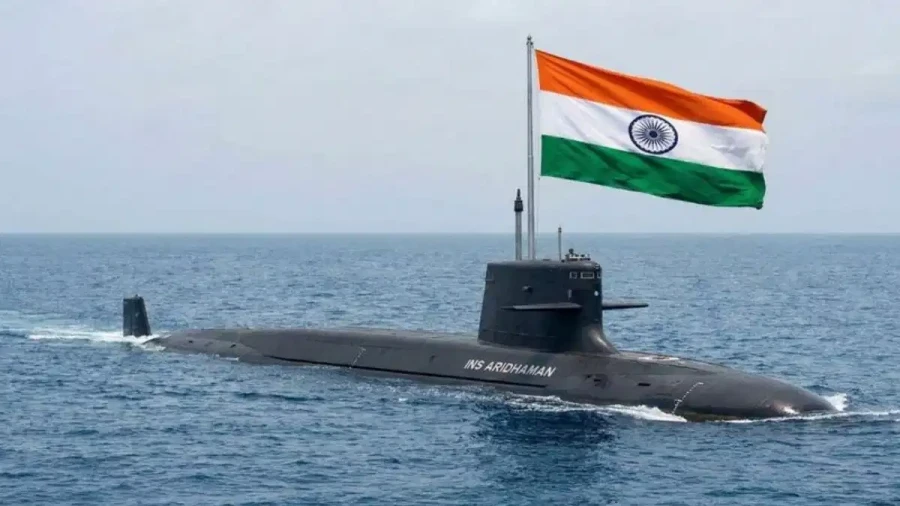
India is moving closer to a significant milestone in its maritime defense capabilities as it nears the final approval for a massive project worth over 80000 crore rupees. This ambitious initiative aims to strengthen the nation's underwater combat strength by constructing 6 advanced conventional submarines. The project is being developed in strategic partnership with Germany, marking a major step forward in India's defense manufacturing sector and its commitment to self-reliance in critical military technology. The scale of this investment reflects the strategic priority the government is placing on securing the nation's maritime interests and enhancing the operational reach of the Indian Navy.
The Strategic Importance of Project-75(I)
The construction of these 6 new submarines will be carried out under the long-pending Project-75(I). This project involves a proposed partnership between the state-owned Mazagon Dock Shipbuilders Limited (MDL) and the German firm ThyssenKrupp Marine Systems (TKMS), while a key feature of this project is that the submarines will be built entirely within India. This initiative won't only involve major public sector units but will also see significant participation from Indian private sector companies, fostering a strong domestic defense ecosystem, while the collaboration with Germany is expected to bring in advanced engineering practices and high-end technology that will be localized through the Make in India initiative.
Defense Secretary Rajesh Kumar Singh has confirmed that Project-75(I) is currently in its final stages. The project is awaiting the ultimate decision from the competent authority before the formal commencement of work. The integration of German technology with Indian manufacturing prowess is expected to provide the Indian Navy with state-of-the-art underwater platforms capable of meeting modern maritime challenges. The Defense Secretary emphasized that the process is moving through the necessary administrative and technical evaluations to ensure that the final output meets the stringent requirements of the naval forces.
Expansion of the Scorpene Class Fleet
In addition to the 6 new submarines under Project-75(I), the Indian government is also considering a proposal to build 3 additional Scorpene-class submarines. These submarines, also known as the Kalvari class, have already seen successful implementation in India. Previously, under the original Project-75, 6 Kalvari class submarines were manufactured in the country. The final submarine of this series, INS Vagsheer, was commissioned into the Indian Navy in January 2025. The proposal for 3 more such units is currently under review, although it has not yet reached the same advanced stage of approval as Project-75(I). These additional units are also expected to be constructed at the Mumbai-based Mazagon Dock Shipbuilders Limited, leveraging the existing infrastructure and expertise gained during the previous phase of construction.
Technological Upgrades and Indigenous Innovation
India isn't only focused on building new vessels but is also dedicated to upgrading its existing fleet with cutting-edge technology. A major highlight of this upgrade is the Air Independent Propulsion (AIP) system developed by the Defence Research and Development Organisation (DRDO). This indigenous AIP technology will be installed in the Scorpene-class submarines. The AIP system is a game-changer for conventional diesel-electric submarines as it allows them to remain submerged for much longer periods. By reducing the need for the submarine to surface frequently to recharge batteries, the AIP system Notably enhances the underwater endurance and stealth capabilities of the vessel, making it harder for adversaries to detect.
Indigenous Combat Systems and Future Refits
The push for indigenization extends to the internal systems of the submarines as well. According to the Defense Secretary, the Naval Physical and Oceanographic Laboratory (NPOL) has successfully developed an indigenous Integrated Combat System specifically for submarines. This advanced system is slated to be installed in existing submarines during their scheduled refit cycles over time. This move ensures that even the older vessels in the fleet remain technologically relevant and equipped with the latest combat management tools developed within the country. The integration of these systems during refits will ensure a standardized and highly capable combat interface across the Indian Navy's submarine arm, reducing dependence on foreign original equipment manufacturers for software and system updates.