
- India,
- 29-Jul-2026 11:51 AM IST



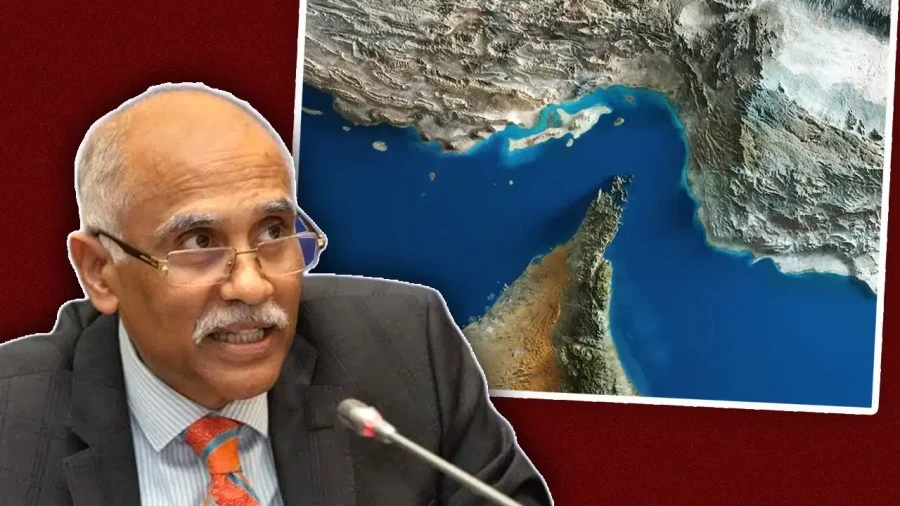
India has expressed grave concern over the escalating tensions in West Asia, describing the situation as deeply worrying and a threat to regional stability. During an open debate at the United Nations Security Council (UNSC) regarding the situation in West Asia, India's Permanent Representative, Ambassador Parvathaneni Harish, strongly condemned the recent attacks on commercial vessels in the Strait of Hormuz. India has called for an immediate de-escalation of tensions and the restoration of maritime movement to ensure that global trade and energy supply chains remain unhindered.
Condemnation of Attacks on Commercial Vessels
Ambassador Harish specifically highlighted the attacks that occurred this month on several ships passing through the Strait of Hormuz, including the GFS Galaxy, MT Al Bahia, and MT Mombasa, while india condemned these acts of violence in the strongest terms, noting that such incidents disrupt the free and safe movement of international waterways. The Ambassador emphasized that these attacks have direct human costs, revealing that several Indian nationals were injured, with some sustaining serious injuries. Tragically, one Indian national lost their life, and another remains missing following these incidents, while india has always condemned incidents of violence that target maritime travelers and obstruct the free flow of commerce through vital international waterways like the Strait of Hormuz.
Emphasis on Dialogue and Diplomacy
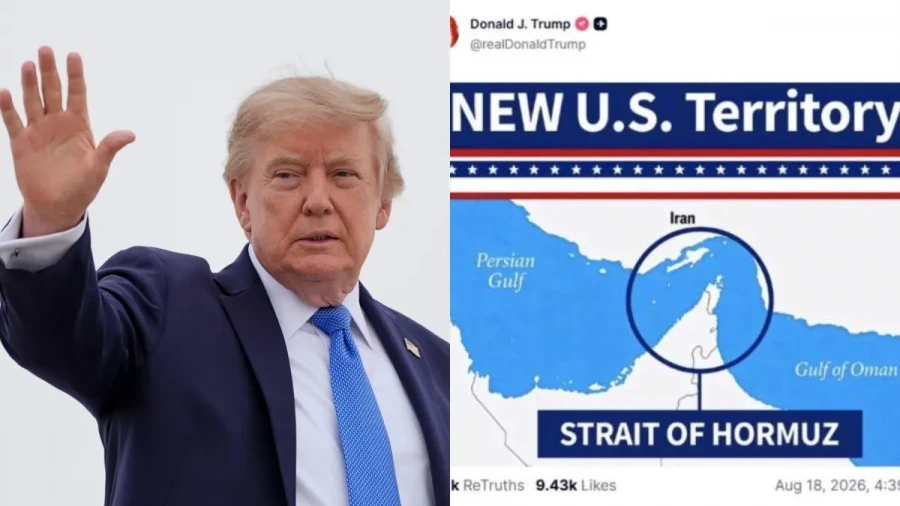
India strongly advocates for the path of dialogue and diplomacy to ensure peace, security, and stability in the region. Ambassador Harish stated that the targeting of commercial shipping and civilian infrastructure must stop immediately. He urged that free and unhindered movement and trade through the international waterways of this region should be restored as soon as possible, in accordance with international laws. The current friction between the United States and Iran has reached a peak, with the US launching attacks on Tehran-linked targets and Tehran targeting US bases in Gulf countries, creating a volatile environment that India believes must be addressed through diplomatic engagement.
Impact of Conflict on Maritime Traffic
The conflict has had a significant impact on maritime movement, while according to the United Nations, following the attacks on commercial vessels on July 6, Iran announced the closure of the Strait of Hormuz again on July 11. Data from the UN Economic and Social Commission for Asia and the Pacific (ESCAP) shows a drastic decline in traffic. Daily movement, which was over 100 vessels before the conflict, improved to 49 by July 7 but then plummeted to a level of 8-15 vessels by mid-July. This disruption poses a major challenge to global trade routes that rely on this narrow but vital passage.
Safety of Indians and Economic Stakes
Ambassador Harish emphasized that India has a significant stake in the security and stability of the West Asia region. India's trade and energy supply chains are deeply integrated with this area. He provided specific figures to illustrate this connection, noting that India's annual bilateral trade with the region is approximately 180 billion dollars. Plus, more than 31 billion dollars in Foreign Direct Investment (FDI) has come to India from this region. Indian nationals working in Gulf Cooperation Council (GCC) countries send back more than 52 billion dollars in remittances every year. These economic ties have a direct impact on India's economy and energy security. With nearly 10 million Indians living and working in the Gulf region, their safety and well-being remain India's top priority.
Concerns Regarding Gaza and Palestine
While the world's attention is focused on the Strait of Hormuz, India told the Security Council that the focus must not shift away from the severe humanitarian crisis in the Gaza Strip. Ambassador Harish stated that the loss of civilian lives and the destruction of civilian infrastructure are serious concerns that require immediate and rapid action from the international community. India remains fully committed to efforts that impact the daily lives of Palestinians. On top of that, India advocated for a sustainable and long-term political solution, reiterating its support for an independent, sovereign, and viable State of Palestine that can live in peace with Israel within secure and recognized borders.
Stance on Yemen and Lebanon
Regarding Yemen, India reiterated its unwavering commitment to the country's unity, sovereignty, and territorial integrity, rejecting any interference in its internal affairs. India also condemned Houthi attacks on maritime movement, stating that the security of the Bab al-Mandeb Strait and the Southern Red Sea is a shared international responsibility and a matter of global interest. On top of that, India strongly criticized the attacks on UN peacekeepers in Lebanon, while ambassador Harish noted that peacekeepers of the United Nations Interim Force in Lebanon (UNIFIL) operate under challenging conditions and follow UNSC mandates, and Because of this should never be targeted. India condemned all attacks on UNIFIL peacekeepers and emphasized that their safety and security must be ensured at all times.