
- India,
- 13-Aug-2026 03:17 PM IST



98 billion dollars. 43 billion dollars recorded in the previous month of June. 55 billion dollars within a single month. A trade deficit occurs when the total value of goods imported by a country exceeds the total value of the goods it exports, while in July, a substantial surge in imports played a primary role in widening this gap further, indicating that India spent more on foreign goods than it earned from selling its products abroad.
Detailed Breakdown of Exports and Imports
The month of July saw fluctuations in both export and import activities. 24 billion dollars in July. 41 billion dollars in June, indicating a healthy growth in outbound shipments. However, the pace of imports far outstripped the growth in exports. 84 billion dollars in June. 38 billion dollars in imports. Consequently, despite the improvement in export performance, the trade deficit failed to contract and instead moved upward due to the heavy import bill.
Performance Relative to Market Expectations
The actual trade deficit figures for July surpassed the projections made by market experts and economists. 20 billion dollars. 98 billion dollars. This discrepancy highlights the intensified pressure on India's trade balance during the month, exceeding what many analysts had initially forecasted based on global trends.
Global Challenges Impacting Trade
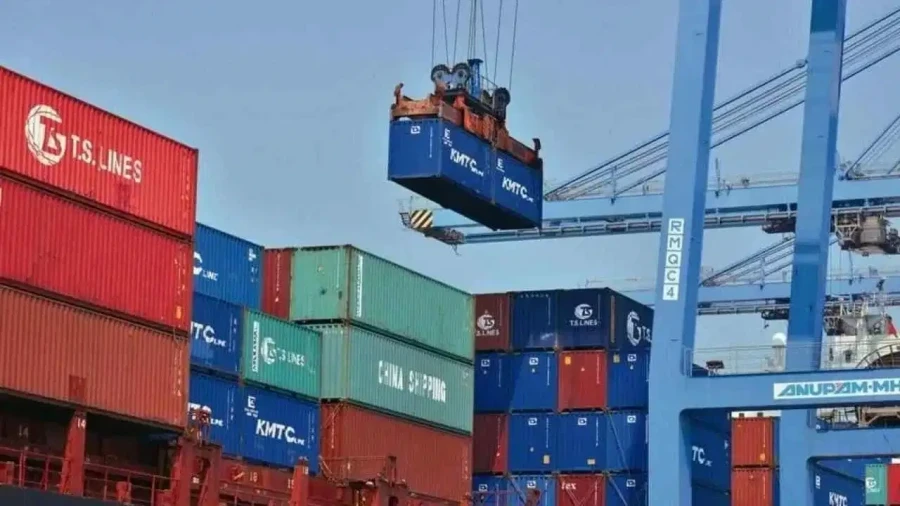
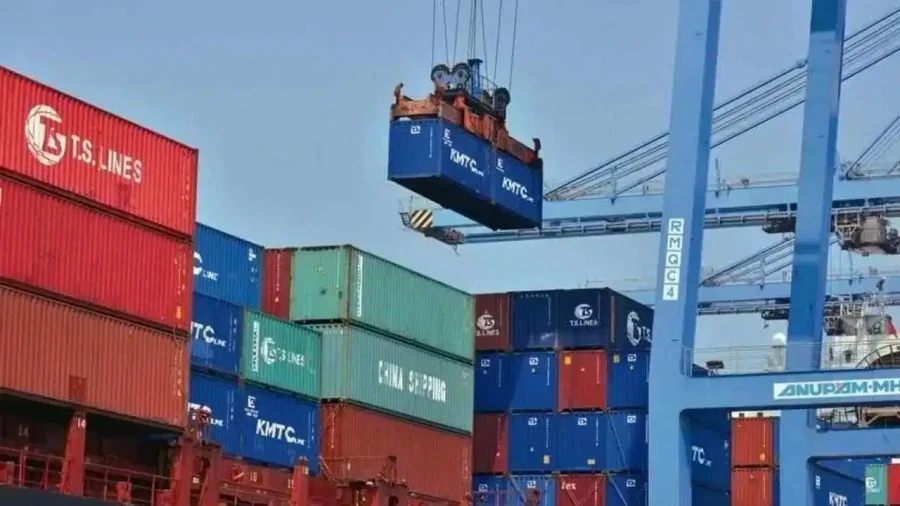
Several international factors are currently exerting pressure on India's trade dynamics. Most notably, disruptions in maritime shipping routes, particularly around the Middle East, have hindered the smooth movement of goods. These logistical challenges in shipping routes not only lead to delays in delivering Indian goods to international markets but also contribute to rising freight costs and time, while Also, elevated energy prices globally continue to strain India's import bill. Since India relies heavily on imports to meet its requirements for crude oil and other energy products, any spike in international energy prices directly inflates the total expenditure on imports, thereby widening the trade deficit.
Economic Implications of a Rising Trade Deficit
A widening trade deficit is a critical economic indicator as it signifies that the country's spending on imports is higher than its earnings from exports. If this trend persists over a long period, it can put considerable pressure on the nation's foreign exchange reserves. So, India faces the dual challenge of maintaining strong export momentum while simultaneously managing and controlling the costs associated with imports. The data from July underscores that while exports have shown growth, the rapid acceleration of imports has tilted the trade balance. In the coming months, factors such as global shipping route stability, energy price trends, and international geopolitical tensions will remain pivotal in shaping India's trade trajectory and overall economic stability.