
- India,
- 15-Jun-2026 07:58 PM IST



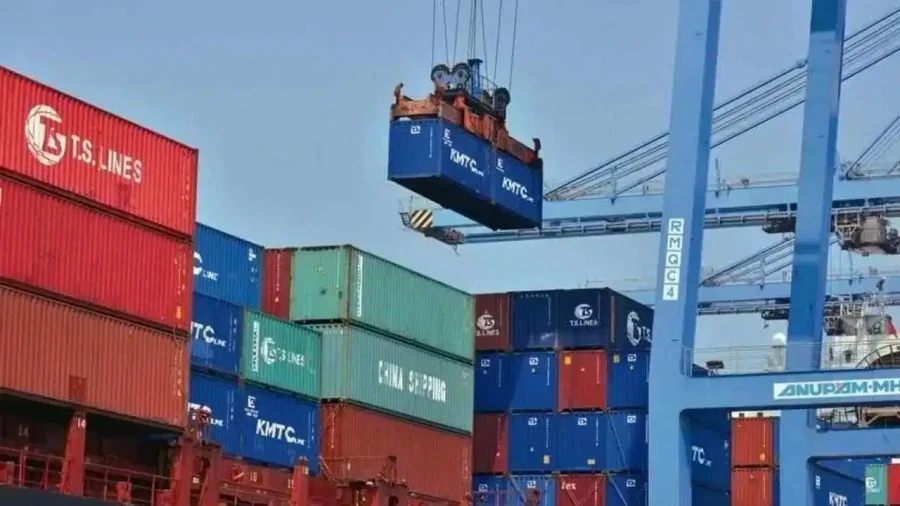
India's export sector has recorded a significant milestone in May 2026, showcasing a strong performance despite the complexities of the global geopolitical landscape. According to the latest data released by the government, the country's merchandise exports witnessed a remarkable surge of 18 percent on a year-on-year basis. 20 billion dollars for the month of May. This achievement is seen as a positive indicator of India's strengthening position in the international trade market and its ability to navigate through global supply chain challenges.
Trade Deficit and Import Trends
While the export figures reached new heights, the import sector also saw an upward trend. 41 billion dollars. However, a key highlight of this period was the relative stability and slight improvement in the trade deficit. 38 billion dollars reported in April 2026. This stabilization of the trade gap is being viewed as a healthy sign for the nation's economy, indicating a balanced growth trajectory between incoming and outgoing goods.
Insights from the Commerce Secretary
Commerce Secretary Rajesh Agrawal provided detailed insights into these trade figures, noting that May 2026 has emerged as one of the months with the highest monthly export growth in recent times. He highlighted that the export sector is currently undergoing a period of recovery, especially after being previously impacted by the crises in the Middle East. The Secretary pointed out that there has been a noticeable improvement in exports directed towards key regional partners, including the United Arab Emirates (UAE), Saudi Arabia, Jordan, and Yemen, while this recovery is particularly significant as it coincides with a period of easing international tensions.
Geopolitical Context and Supply Chain Relief
The improvement in trade performance comes at a time when there are positive developments on the global diplomatic front. The announcement of an initial agreement aimed at reducing tensions between the United States and Iran has provided a much-needed boost to trade sentiment. On top of that, there are growing expectations regarding the reopening of the Strait of Hormuz, which is a critical maritime route for global energy supplies. The potential normalization of operations in this strategic waterway is expected to provide substantial relief to global supply chains and the international oil trade, further supporting India's export ambitions.
Long-term Growth and Future Strategies
Reflecting on the long-term progress of India's trade, Rajesh Agrawal mentioned that the country's export base has nearly doubled over the past 12 years. Even more impressive is the growth in the services export sector, which has seen an increase of approximately three times during the same period. To maintain this momentum, the government is looking forward to the implementation of new Free Trade Agreements (FTAs). Agreements with partners such as the UAE, Australia, and the European Free Trade Association (EFTA) are expected to provide further impetus to export growth. To ensure that the benefits of these deals reach the grassroots level, the government plans to organize specialized workshops across various states to educate and assist exporters.
Rise in Gold Imports
In addition to the general trade trends, the data also revealed a significant spike in the import of gold. 04 billion dollars. This increase in gold demand adds another layer to the country's import profile during the early months of the fiscal year, reflecting domestic consumption patterns and investment trends in the precious metal.