
- India,
- 11-Aug-2026 08:11 PM IST



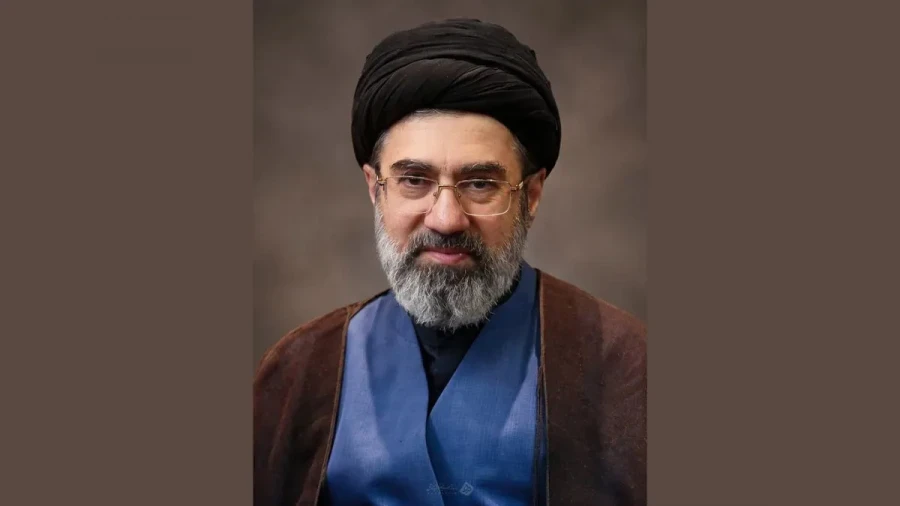
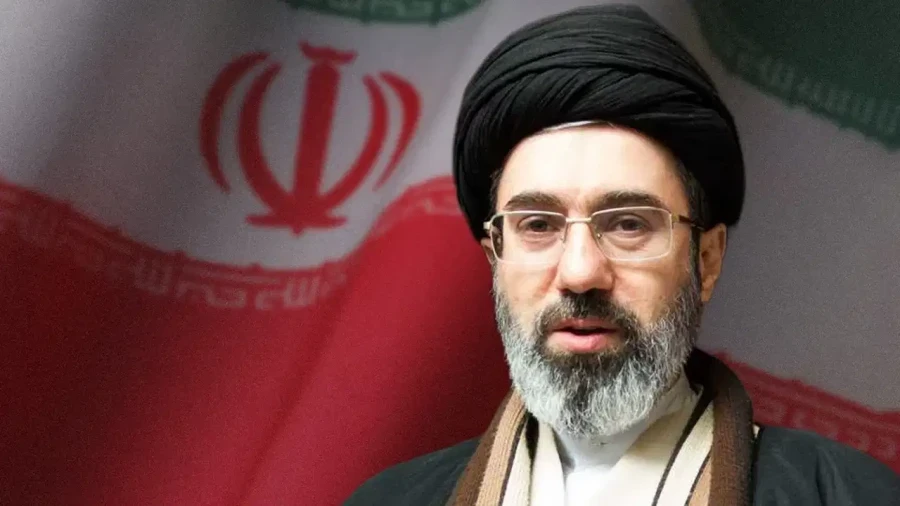
In a significant move that signals a major strategic shift within the Islamic Republic, Iran's Supreme Leader Mujtaba Khamenei has overseen a comprehensive reshuffle of the nation's military and security leadership. Within a span of just 24 hours, seven high-ranking officials have been replaced or appointed to pivotal roles across the regular Army, the Islamic Revolutionary Guard Corps (IRGC), the IRGC Navy, and the Basij Resistance Force. This series of appointments comes at a critical juncture as Iran navigates intense regional conflicts and faces mounting external military pressures, suggesting a deliberate effort to consolidate power and fortify the country's defense architecture.
New Leadership for the Armed Forces
At the forefront of these changes is the appointment of Major General Ali Abdollahi as the new Chief of Staff of the Iranian Armed Forces, while abdollahi, who has a distinguished background within the Revolutionary Guards and is a trained pilot, brings a wealth of operational experience to the highest echelons of the military hierarchy. Joining him in the top leadership tier is Brigadier General Kiyumars Heydari, who has been designated as the Deputy Chief of Staff. Heydari previously served as a commander in the regular army, and his transition to this strategic role is seen as a move to integrate the various branches of the military more effectively under a unified command structure.
Major Changes in the IRGC and Navy
The Islamic Revolutionary Guard Corps (IRGC), one of Iran's most powerful and influential military organizations, has also seen a significant change in its top leadership. Brigadier General Ahmad Vahidi has been promoted to the rank of Major General and appointed as the new Commander-in-Chief of the IRGC. This promotion underscores the trust placed in Vahidi to lead the elite force during a period of heightened security concerns. Supporting him in this mission is Major General Mostafa Izadi, who has been named the Deputy Commander of the IRGC. On top of that, the maritime capabilities of the IRGC have been placed under new leadership with Rear Admiral Ali Azmai taking command of the IRGC Navy, while these appointments reflect a broader strategy to revitalize the IRGC's operational readiness across land and sea.
Strengthening the Basij and National Security Council
The reshuffle also extends to the domestic security and paramilitary sectors. Hojjatoleslam Wal-Muslimin Hossein Taeb has been appointed as the head of the Basij Resistance Force, a key organization responsible for internal security and mobilization. On top of that, just prior to these military appointments, Mujtaba Khamenei appointed former IRGC commander Mohsen Rezaei as his representative in the Supreme National Security Council. Rezaei takes over the position from Mohammad Baqir Zolqadr. This specific role was previously held by Ali Larijani, who was killed in March during attacks attributed to the United States and Israel. Rezaei's appointment is attributed to his extensive military experience, particularly his role as one of the early commanders of the Revolutionary Guards during the Iran-Iraq War.
The Strategic Message and Health Updates
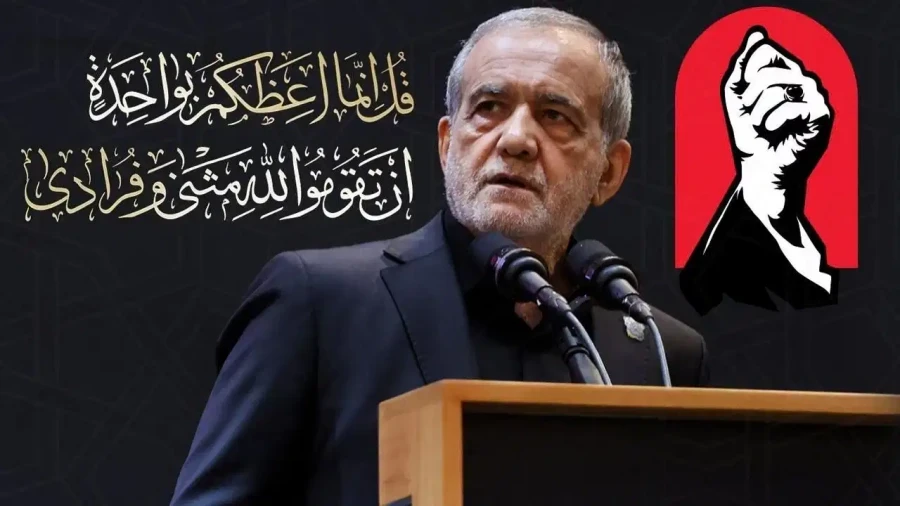
The simultaneous replacement of seven top-tier military and security officials is interpreted as a clear message from Mujtaba Khamenei regarding his intent to tighten control over the nation's security apparatus. By bringing in experienced figures with long-standing military backgrounds, the Supreme Leader aims to create a more organized and resilient command structure capable of responding to potential new threats. Amidst these structural changes, President Masoud Pezeshkian addressed ongoing concerns regarding the health of the Supreme Leader. According to ISNA, Pezeshkian stated after a meeting that Mujtaba Khamenei is in full health and described their discussion as very productive, effectively dismissing rumors about the leader's well-being.