
- India,
- 11-Aug-2026 02:33 PM IST



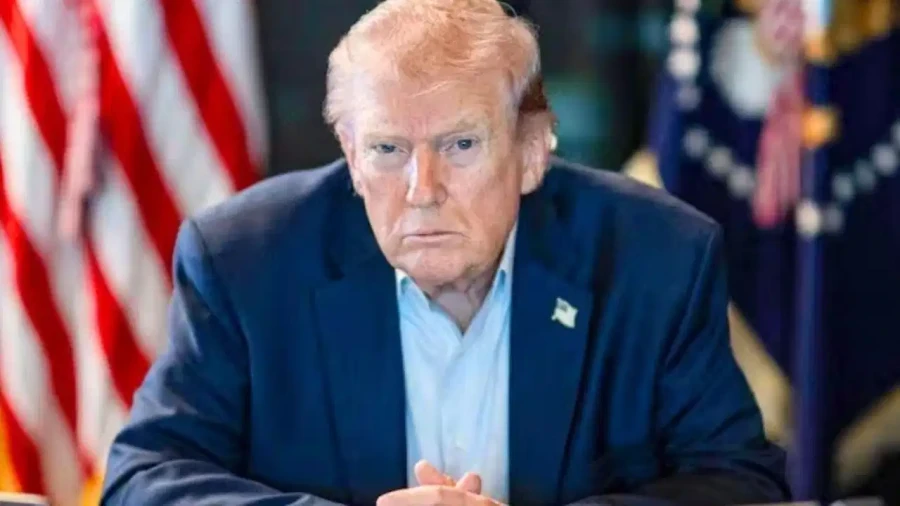
The conflict between the United States and Iran, which has been simmering for months, appears to have reached a significant turning point. On August 9, US President Donald Trump signaled a strategic shift, indicating that the United States would currently prioritize increasing economic pressure over launching new large-scale military operations. This transition suggests that instead of missiles and bombs, the primary weapons in the American arsenal will now be oil sanctions, shipping restrictions, and the targeting of banking networks. The overarching goal of this strategy is to systematically deplete Iran's revenue streams, making it increasingly difficult for Tehran to procure weaponry and sustain its military operations, ultimately forcing the Iranian leadership to return to the negotiating table under duress.
The Rationale Behind the Strategic Shift
The decision to pivot from military action to economic warfare stems from several factors. Despite a prolonged period of military engagement against Iranian interests, the conflict has not reached a definitive conclusion. Continuous military operations aren't only resource-intensive but also involve the constant consumption of high-value weaponry and personnel risks. By focusing on economic pressure, the Trump administration seeks to maintain a high level of coercion without the immediate need for new, large-scale kinetic strikes. The administration is particularly focused on dismantling Iran's oil trade, which serves as the lifeblood of its economy.
Targeting Iran's Oil Revenue and the China Factor
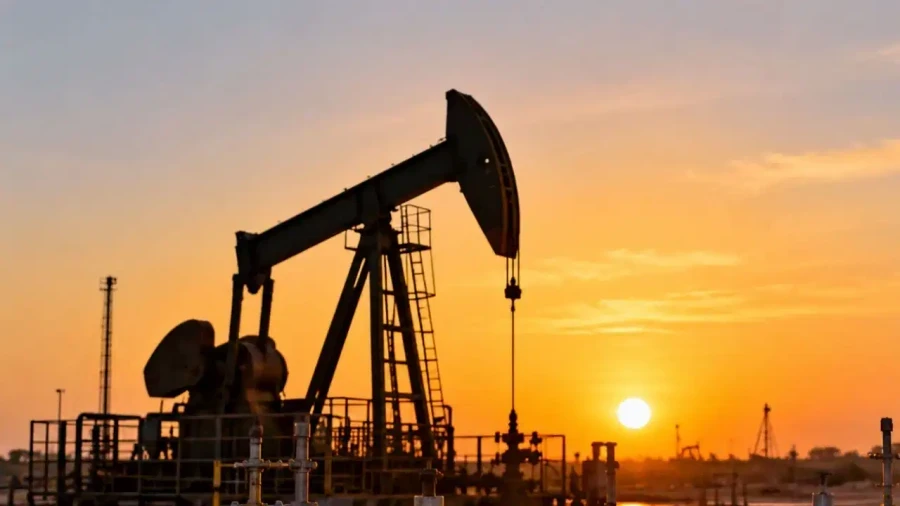
Oil remains the most critical component of the Iranian economy, and the American strategy is heavily weighted toward preventing Iranian crude from reaching international markets. However, this objective faces a formidable obstacle in the form of China. According to reports from the US-China Economic and Security Review Commission, China is the destination for approximately 90 percent of Iran's exported oil. Specifically, China's small, independent refineries, often referred to as teapot refineries, have emerged as the primary buyers of Iranian crude, providing a vital financial lifeline to Tehran despite international sanctions.
The Shadow Fleet and Sanction Evasion
Iran has developed sophisticated methods to bypass international restrictions. A key element of this is the use of a shadow fleet—a collection of aging tankers that operate under various flags and often disable their tracking systems to obscure the origin of the oil and the identity of the buyers. These vessels engage in ship-to-ship transfers in international waters to further complicate tracking efforts. 63 billion dollars. This demonstrates the resilience of Iran's alternative payment and financial networks.
Pressure on Banking and Maritime Networks
The US strategy extends beyond just the sale of oil, while it involves a comprehensive effort to squeeze Iran's banking, foreign exchange, and maritime networks. The objective is to create a multi-layered barrier: making it difficult to sell the oil, difficult to transport it, and nearly impossible to work with the resulting funds in the international financial system, while by targeting the intermediaries and the financial institutions that facilitate these transactions, the US hopes to create a cumulative effect that cripples the Iranian state's ability to function economically.
The Strategic Importance of the Strait of Hormuz
The Strait of Hormuz remains the most critical flashpoint in this economic and military standoff. On August 11, amid a deadlock in US-Iran communications, global oil prices reflected the heightened tension. 45 dollars. President Trump's demand for compensation for the costs incurred during the conflict with Iran has further complicated negotiations regarding the free passage of vessels through the Strait. Any disruption in this vital maritime corridor has the potential to send shockwaves through the global energy market.
Will Economic Pressure Force a Capitulation?
The ultimate effectiveness of Trump's strategy remains to be seen. While sanctions can Notably reduce Iran's income, their impact is rarely instantaneous. Iran has decades of experience in navigating sanctions and maintains strong ties with major buyers like China. As long as Chinese refineries continue to purchase Iranian oil, the US will find it difficult to completely zero out Iran's oil revenue, while the advantage for the US is the reduced direct risk to American personnel, but the downside is the potential for rising global oil prices, which could negatively impact US allies and major oil importers like India.
Implications for India's Energy Security
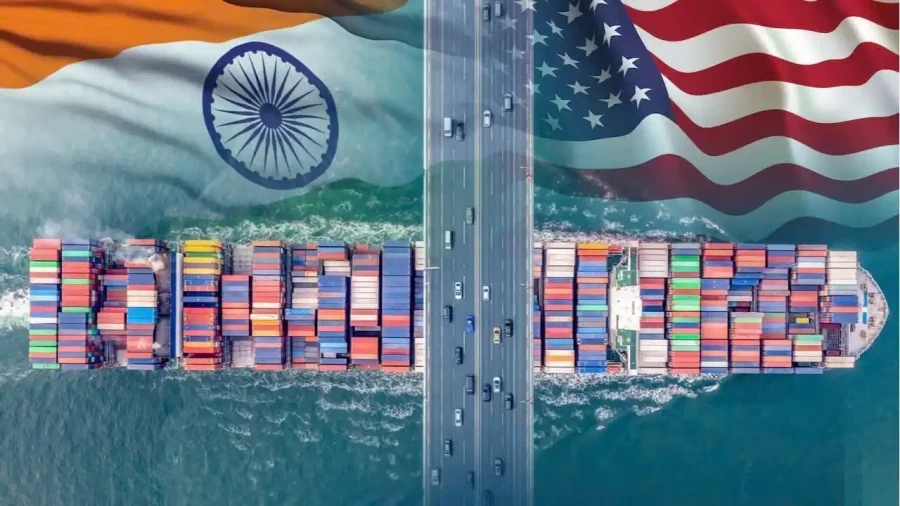
For India, the escalation of economic tension in the Middle East is a matter of grave concern. India imports a vast majority of its crude oil requirements, and prolonged tension in the Strait of Hormuz could lead to Importantly higher oil and shipping costs, while such a scenario would increase India's import bill, put downward pressure on the rupee, and potentially fuel domestic inflation. Thus, Trump's new strategy isn't merely a bilateral issue between Washington and Tehran; it has far-reaching consequences for China, the global oil market, and the energy security of nations like India. The success of this strategy depends on whether the US can effectively close the loopholes provided by Iran's alternative networks and its partnership with China.