
- India,
- 11-Aug-2026 10:00 AM IST



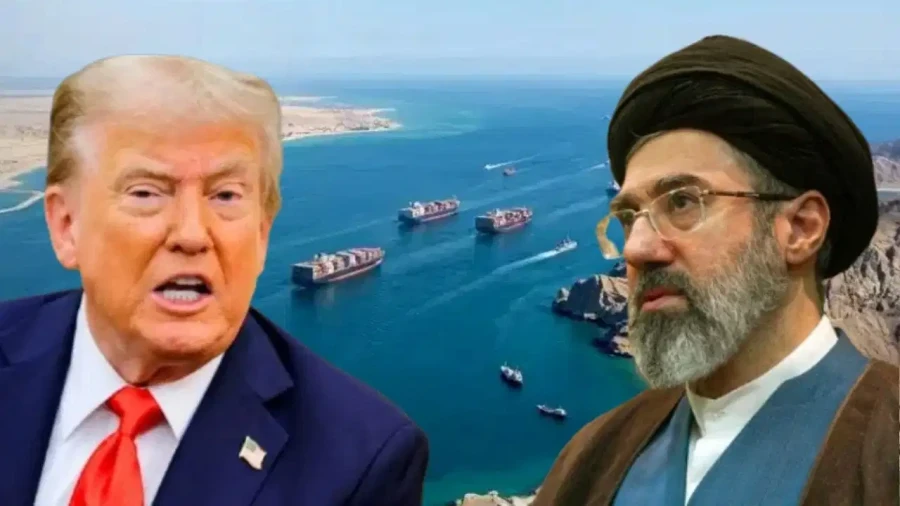
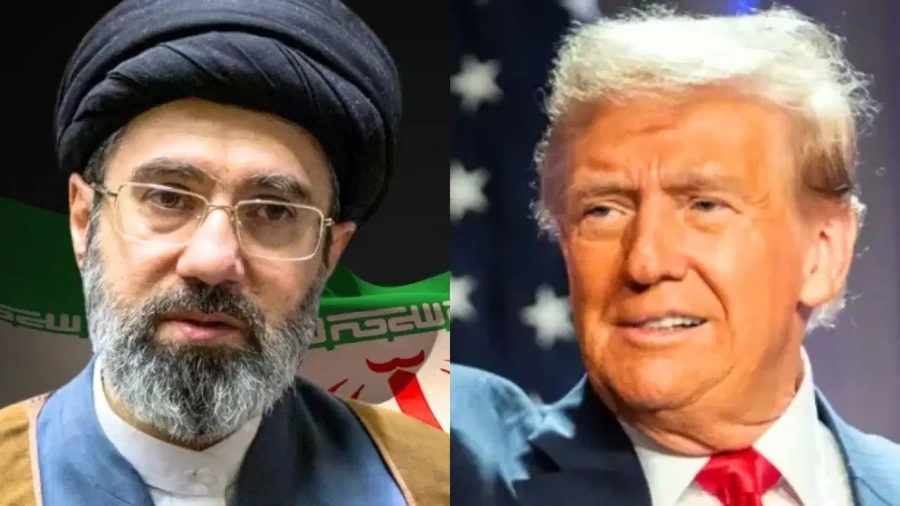
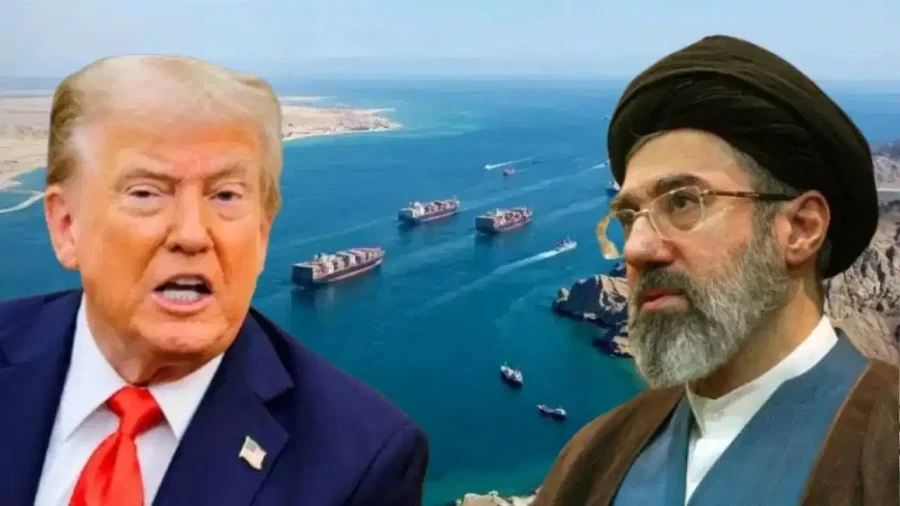
The geopolitical tension between Iran and the United States has reached a new peak as Tehran has explicitly refused to engage in any diplomatic negotiations with the administration of President Donald Trump, while in a bold diplomatic stance, Iran has clarified that it won't consider reopening the strategically vital Strait of Hormuz until the year 2029, which marks the scheduled end of Donald Trump's presidential term. This decision comes despite continuous efforts and pressure from Washington to restore maritime traffic in one of the world's most critical energy corridors. Tehran has reiterated its three major conditions, making it clear that it won't bow down to American pressure or enter into any agreements under the current US leadership.
The 2029 Deadline and Strategic Patience
According to statements from Iranian media and Majid Shakeri, an advisor to the Iranian Parliament Speaker Mohammad Baqer Qalibaf, Tehran has decided to maintain its current strategy until the end of the Trump administration. The specific date mentioned is January 20, 2029, which is when the current presidential term in the United States is set to conclude. Iran has signaled that it's prepared to wait out the next four years rather than seeking a compromise that it views as unfavorable. Majid Shakeri emphasized this stance on social media, stating that Trump won't be able to reach any kind of agreement with Iran during his tenure. He further clarified that Iran's path is neither direct war nor an immediate agreement, but rather a state of strategic uncertainty where neither full peace nor full-scale conflict exists.
Three Major Conditions for Future Dialogue
Iran has laid out three significant prerequisites that the United States must fulfill before any formal talks can be resumed. The first and perhaps most substantial demand is a compensation of approximately 300 billion dollars. Tehran claims this amount is necessary to cover the damages incurred during past conflicts and alleged violations of international agreements. The second condition involves the release of all seized Iranian assets currently held under US sanctions, while the third condition is the complete withdrawal of American military forces from the region. Iranian officials have stated that as long as these demands aren't met, moving forward with negotiations is impossible. The closure of the Strait of Hormuz has been directly linked to the acceptance of these terms, effectively using the maritime route as a benefit from point in international diplomacy.
Diplomatic Channels and the Role of Mediators
While direct communication between Tehran and Washington remains suspended, Iranian Foreign Minister Abbas Araghchi has confirmed that messages are still being exchanged through third-party mediators. Araghchi noted that while some nations are attempting to create an environment conducive to restarting talks, Iran remains firm in its position. The Foreign Minister emphasized that formal negotiations won't commence until the United States demonstrates a willingness to stop agreement violations and compensate for the resulting losses. This indicates that while the door to communication isn't entirely locked, the threshold for formal engagement remains exceptionally high and tied to specific financial and military concessions.
The Strait of Hormuz as a Strategic Battlefield
The Iranian Revolutionary Guards (IRGC) have taken a hardline stance regarding the Strait of Hormuz, which they now describe as a battlefield rather than just a maritime route. IRGC spokesperson Hossein Mohebi stated that the strategy is to keep the strait closed until all of Iran's demands are accepted by the United States, while this escalation highlights the critical nature of the waterway, which serves as the backbone of global energy supply. Approximately one-fifth of the world's total crude oil consumption passes through this narrow passage. Major oil and gas producers, including Saudi Arabia, Iraq, the United Arab Emirates, Kuwait, and Qatar, rely on this route to transport their tankers to markets in Asia, Europe, and the United States. By maintaining control over this chokepoint, Iran continues to exert significant influence over the global economy and energy security.