
- India,
- 11-Aug-2026 07:14 AM IST



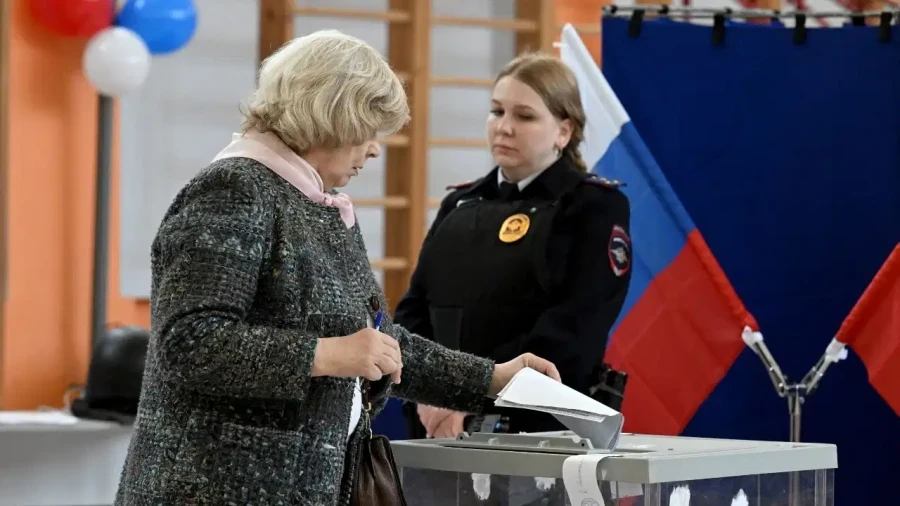
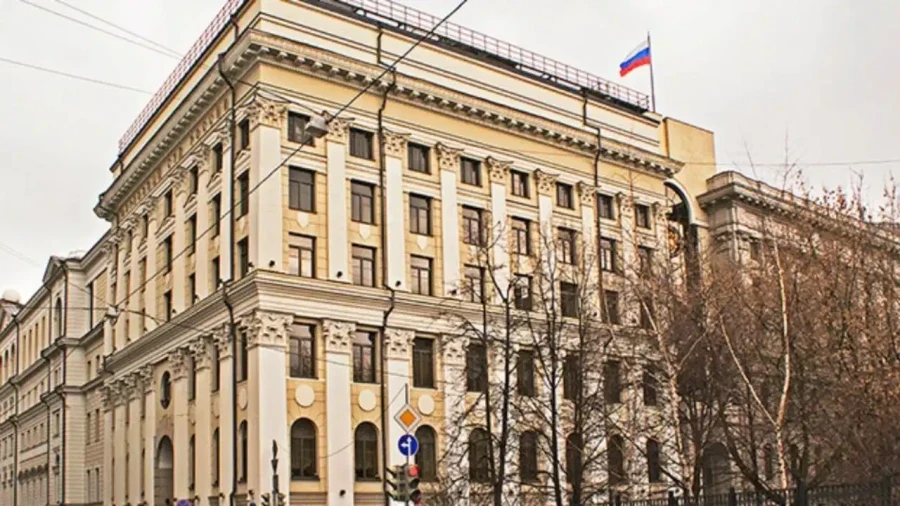
In a significant legal and political development that has drawn international attention, the Supreme Court of Russia has issued a definitive order to remove the Yabloko party from the ballot for the upcoming parliamentary elections. This decision specifically targets the only registered opposition party that has maintained a consistent and open stance against the Kremlin's military actions in Ukraine. The court's ruling was delivered on Monday, effectively cancelling the party's registration just weeks before the nation is scheduled to head to the polls, while this move has intensified the ongoing debate regarding the suppression of political dissent and the narrowing of the democratic space within the Russian Federation.
The Reversal of the Central Election Commission's Decision
The disqualification of Yabloko marks a sharp and sudden reversal of the initial administrative process. Only last month, the Central Election Commission had granted formal permission to Yabloko, along with 10 other political parties, to participate in the parliamentary race. However, this authorization was challenged by a pro-Kremlin party, leading to the Supreme Court intervention that has now overturned the commission's decision. Yabloko, which translates to Apple in the Russian language, has been a long-standing fixture in the country's political landscape, though its influence has faced significant challenges as the Kremlin tightened its grip on the State Duma and broader political institutions over the years.
A Platform Built on Peace and Diplomacy
Despite losing its block of seats in the State Duma in recent years, Yabloko remained the only registered opposition party that dared to oppose the deployment of troops to Ukraine. Its campaign platform was built on several core slogans that directly challenged the current political narrative.
These messages resonated with a segment of the population seeking an alternative to the ongoing conflict and the domestic political climate.
Leadership Reactions and the Fight for Dialogue
Grigory Yavlinsky, a veteran liberal politician who co-founded Yabloko in the 1990s and currently serves as the chairman of its political committee, has strongly condemned the court's decision. In an extensive online statement, Yavlinsky argued that the exclusion of Yabloko from the elections is a clear refusal by the authorities to engage with citizens who ask uncomfortable questions. He expressed hope that the officials would eventually listen to the public demand for peace, freedom, and a life without fear, urging a change in national policy. Yavlinsky also confirmed that the party intends to appeal the ruling, maintaining that their platform represents a vital segment of Russian society.
Support from Exiled Opposition Figures
The party's anti-war stance had garnered support from several prominent Russian opposition leaders currently living outside the country. Yulia Navalnaya, the wife of the late Kremlin critic Alexei Navalny, along with leaders Ilya Yashin and Vladimir Kara-Murza, had called on voters to support Yabloko. On August 6, Navalnaya posted a statement on Telegram asserting that supporting Yabloko was both morally and politically correct due to its anti-war position. However, this external support created a complex situation for the party's leadership on the ground.
Strategic Distancing in the Courtroom
During the court proceedings on Monday, Yabloko Chairman Nikolai Rybakov attempted to distance the party from the endorsements provided by Navalnaya and other exiled critics. Rybakov described this as unsolicited support, a move interpreted by observers as a strategic attempt to prevent the party's removal from the ballot by avoiding associations with figures the Kremlin deems extremist or undesirable. Rybakov emphasized to the court that the party wasn't funding the various social media campaigns appearing in its support, but rather that these were organic expressions from citizens who simply wish to live in Russia without the threat of violence.
The Social Media Phenomenon and Youth Engagement
In the lead-up to the court's decision, social media platforms were flooded with videos supporting Yabloko. Many of these videos didn't feature traditional political slogans but instead showed young men and women holding apples or dancing to Russian songs that mention apples. When asked about their voting preferences for the elections scheduled for September 18-20, these young voters used the apple as a symbol of their support for the party's platform of peace and freedom.
Expert Analysis on the Kremlin's Calculations
Nikolai Petrov, a senior research fellow at the NEST Center, provided insight into the potential motivations behind the authorities' shifting stance. The NEST Center was founded by Mikhail Khodorkovsky, an exiled tycoon and opposition figure. Petrov suggested that the authorities might have initially allowed Yabloko on the ballot to provide a controlled outlet for public dissatisfaction and to demonstrate that the party's anti-war stance had minimal support. However, the peace campaign appeared to touch a chord with the public, upsetting the Kremlin's initial calculations. Petrov noted that removing the party now presents a difficult situation for the Kremlin, as it Basically signals a fear of the ideas Yabloko represents. Yavlinsky echoed this sentiment, stating that the court's decision highlights the significance of their platform and proves that the public demand for peace and freedom is much stronger than the authorities had anticipated.