
- India,
- 13-Aug-2026 03:15 PM IST



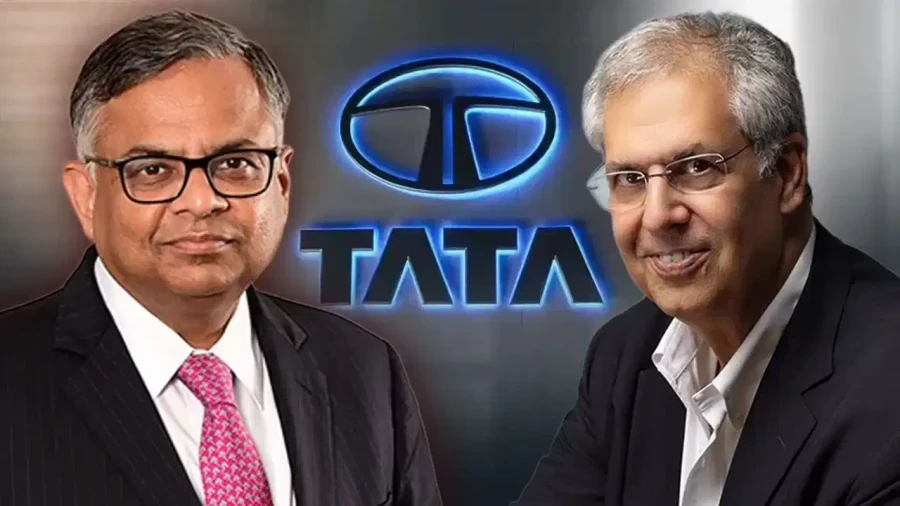
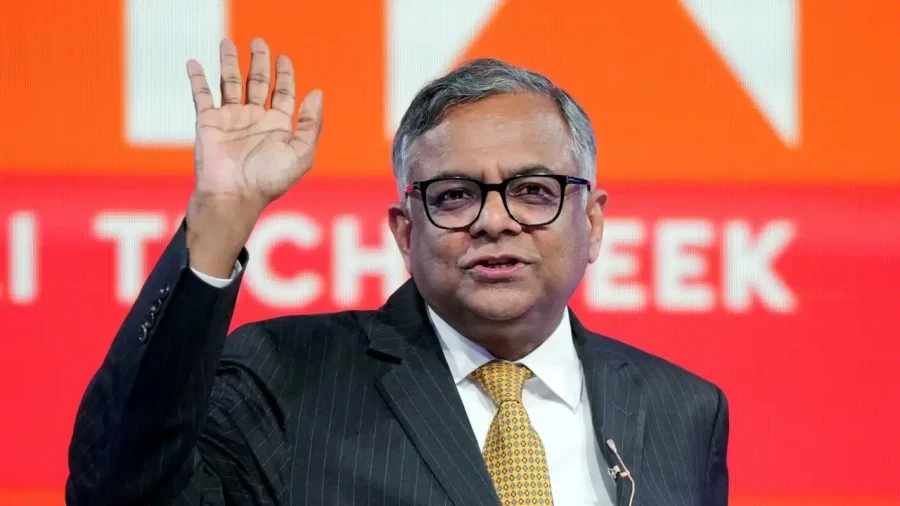
The search for a new leader at the helm of Tata Sons has officially commenced following the decision of N. Chandrasekaran not to seek a second term as Chairman. Sir Dorabji Tata Trust (SDTT) is set to initiate the process of selecting a successor to Chandrasekaran, whose current tenure is scheduled to conclude in February 2027. This development marks a significant transition for one of India's largest and most influential conglomerates, as the group prepares for a leadership change during a period of massive expansion and transformation.
The Selection Process and Formal Announcement
Sir Dorabji Tata Trust (SDTT) will lead the search for the next Chairman of Tata Sons. N. Chandrasekaran has formally decided not to accept a reappointment after his current term ends on February 20, 2027. The Trust revealed on Thursday that its nominee directors received an email from Chandrasekaran on August 12, in which he communicated his final decision. In response, the trustees have passed a resolution to constitute a selection committee as per the Articles of Association of Tata Sons. This committee will be responsible for recommending a suitable candidate for the prestigious position of Chairman, ensuring that the transition is handled with the utmost professionalism and in accordance with the group's long-standing values.
Reasons Behind the Decision
According to reports, Chandrasekaran's decision came after a lack of consensus regarding a proposed five-year extension of his term. While Sir Dorabji Tata Trust and Sir Ratan Tata Trust had unanimously recommended extending his tenure for another five years, and the Nomination and Remuneration Committee along with the Board of Tata Sons had also recommended the proposal, it hit a roadblock. The proposal was presented to the Tata Sons board on February 24, but it couldn't proceed because one board member didn't support it. Chandrasekaran stated that due to the lack of consensus, he chose to defer the decision, while even after six months, the matter remained unresolved, leading him to inform the board that he wouldn't seek reappointment.
Strategic Importance and Future Outlook
Chandrasekaran emphasized that Tata Sons is a massive institution with several strategic projects currently in critical stages of implementation. He noted that for the group to move forward after February 2027, it's essential to have not just a leader, but also a clear vision for leadership that provides certainty to employees, investors, partners, and other stakeholders. He urged the board to decide on a successor soon to ensure a smooth transition. This change comes at a time when the Tata Group is heavily investing in sectors like aviation, electronics, semiconductors, digital businesses, and advanced manufacturing. The next Chairman will inherit the responsibility of managing businesses like Air India and Jaguar Land Rover, while steering TCS through the shift toward Artificial Intelligence.
Financial Performance and Governance
Under Chandrasekaran's leadership, the Tata Group saw significant growth in market value and profitability. 3 lakh crore rupees. The leadership transition is also occurring amidst a backdrop of governance questions and changes within the Tata Sons board, while tata Trusts holds approximately 66 percent stake in Tata Sons, making its role in the selection process pivotal. SDTT expressed its gratitude for Chandrasekaran's immense contribution during a period of transformation and growth, affirming its full support to Tata Sons in ensuring a timely and orderly leadership change that aligns with the group's long-term interests.