Indian Wines / Indian Fruit Wines Conquer Global Palates, Mango and Apple Lead Export Surge

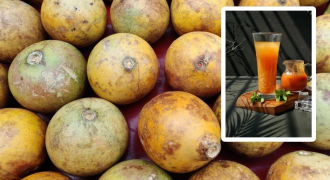
Indian wines, once grape-centric, are now making waves globally with unique fruit flavors. Amidst a slow domestic market, producers are boosting exports, which have more than doubled to $6.7 million this fiscal year. Mango, apple, and jamun wines are particularly popular, with a recent shipment of jamun wine marking a historic entry into the US market.

The landscape of Indian wine is undergoing a significant transformation, moving beyond. Its traditional grape-based identity to embrace a vibrant array of fruit-derived concoctions. These innovative Indian fruit wines, particularly those crafted from non-grape sources, are steadily carving out a distinct niche in international markets. With the domestic market experiencing a period of sluggish growth, Indian wine producers are strategically shifting their focus. Towards global platforms, where 'Made in India' wines are being celebrated for their novel flavors and unique identity. This pivot isn't merely a business strategy but a testament to the. Rich agricultural diversity of India, now being bottled and presented to the world.

Record-Breaking Export Growth Signals Global Acceptance

According to a report by ET, citing trade research institution GTRI, India's wine exports have witnessed an unprecedented surge during the first seven months of the current fiscal year, while the export value has escalated to approximately $6. 7 million, a figure that represents more than double the exports recorded during the same period last year. While grape-based wines continue to hold a dominant share in these export figures, industry insiders are noting a significant and growing interest from international consumers in Indian wines made from various fruits. This trend indicates a broadening of global palates and a willingness to explore beyond conventional wine offerings.

Mango, Apple, and Jamun Wines Lead the Charge

Beyond the familiar grape, a diverse range of Indian fruit wines is capturing international attention, while wines crafted from Kashmiri apples and the Alphonso mango, alongside the unique jamun, have already established their presence in foreign markets. For instance, a winery based in Pune is actively exporting mango-based wine to the United Kingdom, showcasing the versatility of India's beloved 'King of Fruits'. Similarly, craft cider made from Kashmiri apples has found its way into select markets across Britain, while these successful ventures unequivocally demonstrate that the vast diversity of Indian fruits presents a substantial opportunity for the burgeoning wine industry, offering unique flavor profiles that resonate with adventurous international consumers.

The Historic Debut of Jamun Wine in the US

A recent landmark achievement for the Indian wine industry involved the shipment of approximately 800 cases of a special wine consignment from Mumbai to the United States. This particular shipment included Indian wine made from jamun, marking its inaugural entry into the international market. Produced by Seven Peaks Winery, located in the Nashik region of Maharashtra, this distinctive jamun wine is now slated to be served in select restaurants across New York and New Jersey. The successful introduction of wine made from an indigenous yet common Indian fruit like jamun to foreign customers. Is being hailed as a major milestone, underscoring the potential for India's unique agricultural produce to gain global recognition.

Factors Driving International Demand

Industry experts attribute the escalating demand for Indian fruit wines in foreign markets to several key factors. International tourists and consumers are consistently eager to experiment with novel flavors and unique culinary experiences. This adventurous spirit is particularly evident in markets such as the UAE, the United States, and Europe, where the demand for Indian wines is steadily climbing. Despite the persistent challenge posed by higher taxes and duties, which can inflate prices, the overall proposition remains mutually beneficial for both wine makers and importers. The allure of distinct, exotic flavors often outweighs the price considerations for a segment of the international clientele.

Challenges and the Domestic Wine Market Landscape

While the international success is commendable, wine production in India remains a relatively nascent sector, having commenced approximately three decades ago. The domestic wine market within India is experiencing continuous growth, yet a significant portion of this market is still dominated by imported wines, while On top of that, efforts to introduce traditional wines from regions like the North-East, such as those made from kiwi and rice, to international markets have faced considerable hurdles. A primary challenge has been the lack of consistent support and subsidies, which has made sustained export efforts difficult. Addressing these domestic challenges and providing adequate backing could further unlock the full potential of India's diverse wine industry.