
- India,
- 15-May-2026 06:02 PM IST



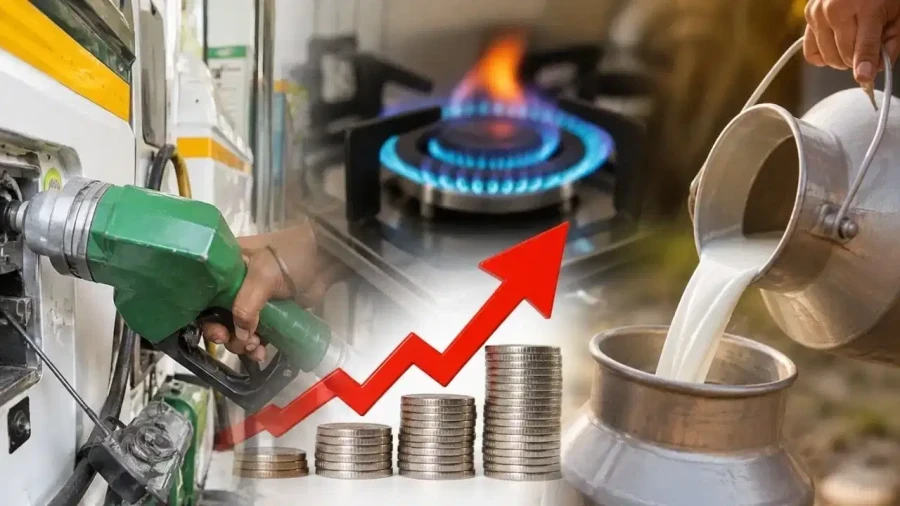
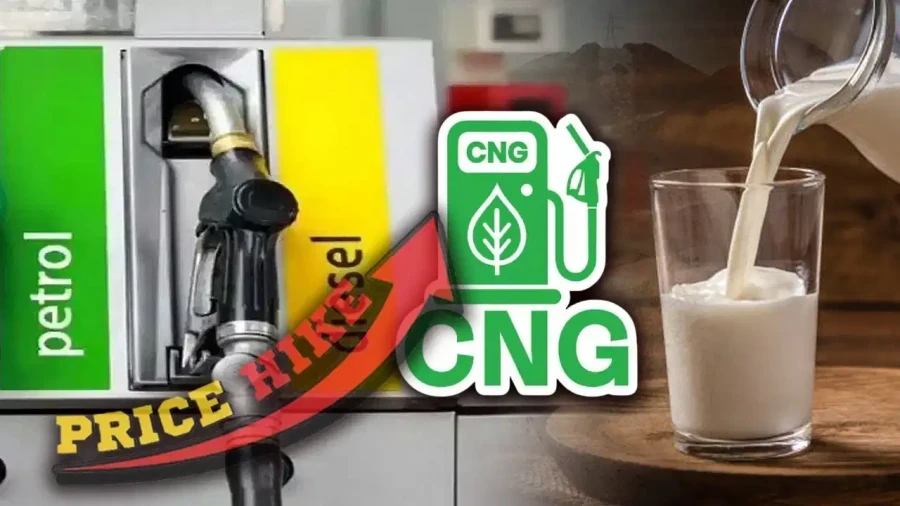
The first fifteen days of the month of May have proven to be exceptionally challenging for the common man in India as a wave of inflation has hit several essential sectors, while from the very beginning of the month, citizens have been grappling with rising costs across a spectrum of daily necessities, ranging from kitchen essentials like milk and gas cylinders to transportation fuels such as petrol, diesel, and Compressed Natural Gas (CNG). This sudden surge in prices is being attributed to a combination of factors, including the ongoing tensions in the Middle East, which have begun to manifest their impact on the Indian economy. The persistent rise in international crude oil prices and the simultaneous depreciation of the Indian Rupee have created significant economic hurdles, leading to the inevitable price hikes seen in the domestic market.
Commercial Gas Cylinder Prices Witness Steep Hike
The inflationary trend began on the very first day of May when government-owned oil marketing companies announced a substantial increase in the prices of commercial gas cylinders. The price of a 19-kilogram commercial LPG cylinder was hiked by a significant amount of 993 rupees. 50 rupees. Similar price points were observed in other major metropolitan areas, with Mumbai and several other cities seeing rates hovering around the 3000-rupee mark. It's important to note, however, that the government has maintained stability in the prices of domestic LPG cylinders for this month, providing some relief to household kitchens even as commercial establishments face higher operational costs.
Increase in Gold Import Duty and Prime Minister's Appeal
In a strategic move to safeguard the nation's foreign exchange reserves and alleviate pressure on the Current Account Deficit (CAD), Prime Minister Narendra Modi made a special appeal to the citizens of the country. He requested the people of India to refrain from purchasing gold for the next one year and also urged a reduction in the consumption of petrol and diesel. Following this high-level appeal, the government took decisive action by increasing the import duty on gold, silver, and several other precious metals. The import tax, which was previously set at 6 percent, has been hiked Importantly to 15 percent. This policy shift is intended to curb the volume of gold imports in the coming months and stabilize the economic balance.
Milk Prices Surge: Amul and Mother Dairy Announce Hikes
The burden on the common man's pocket increased further when the country's leading dairy product suppliers, Amul and Mother Dairy, announced a hike in milk prices. On May 13, 2026, both companies declared an increase in their retail rates. Amul was the first to announce a price hike of 2 rupees per liter, which was followed later that evening by Mother Dairy, which also increased the prices of its various milk variants by 2 rupees per liter. In a formal statement issued on Wednesday, Mother Dairy explained that the cost of procuring milk from farmers had risen by approximately 6 percent over the past year, necessitating this adjustment in retail prices to sustain the supply chain.
CNG Rates Rise in Mumbai and Delhi
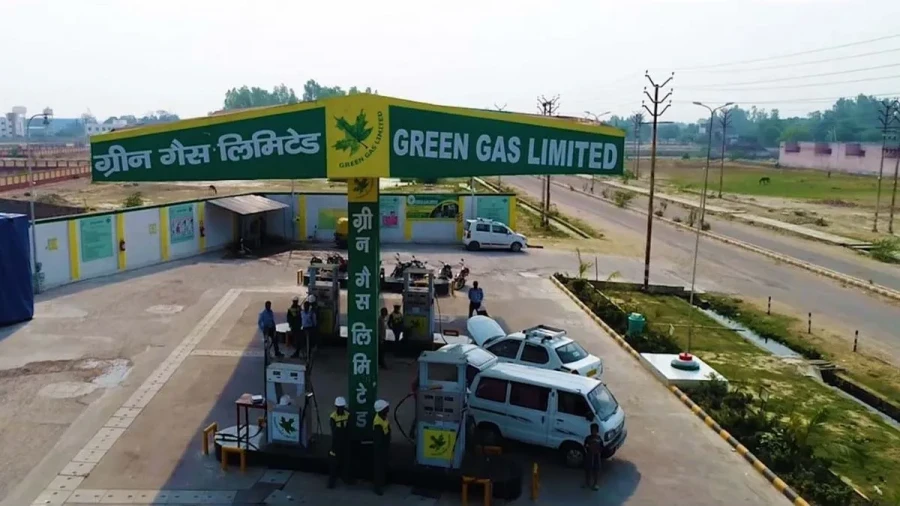
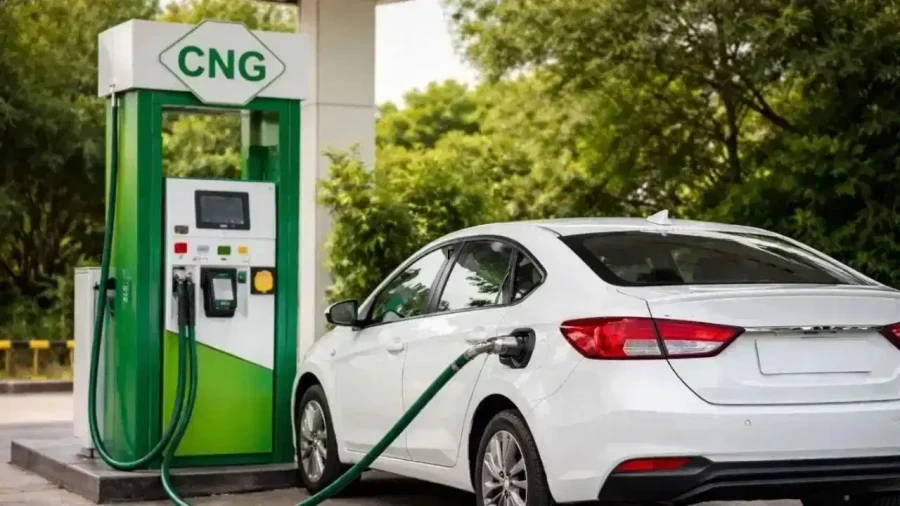
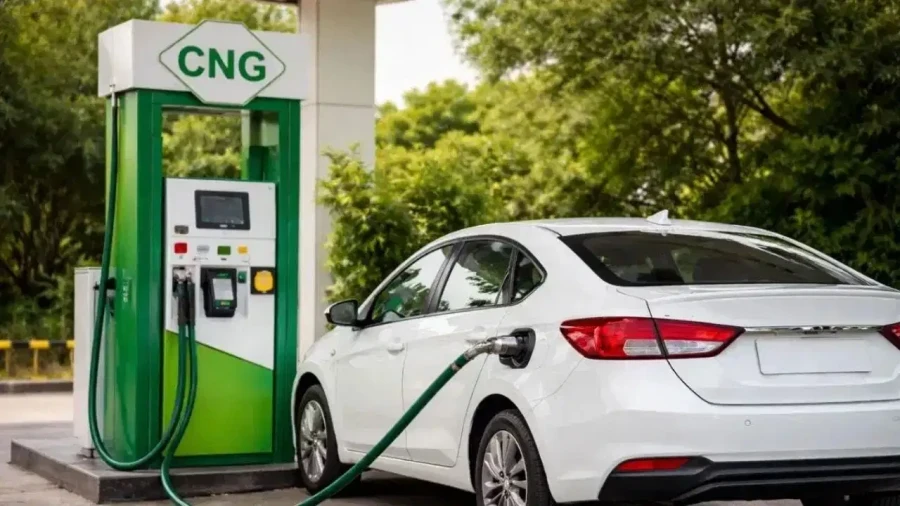
Coinciding with the implementation of the new milk prices, the cost of Compressed Natural Gas (CNG) also saw an upward revision. On May 14, 2026, CNG prices in Mumbai were increased by 2 rupees per kilogram, bringing the rate to 84 rupees per kilogram in the city. This hike has sparked concerns regarding a potential increase in auto-rickshaw and taxi fares. The trend continued the following day, May 15, when CNG prices were hiked in the national capital as well. 09 rupees per kilogram.
Petrol and Diesel Prices Hiked Nationwide
The ongoing geopolitical tensions in the Middle East have placed immense pressure on the domestic oil market, primarily due to disruptions in the supply of crude oil. The blockade at the Strait of Hormuz has caused international oil prices to boil over, leading to massive losses for state-run oil marketing companies. In response to these escalating costs, the prices of petrol and diesel have been increased across the country. The government has implemented a nationwide hike of 3 rupees per liter for both petrol and diesel. This increase reflects the direct impact of global supply chain disruptions and the rising cost of energy imports on the Indian consumer.