

- India,
- 15-May-2026 01:31 PM IST


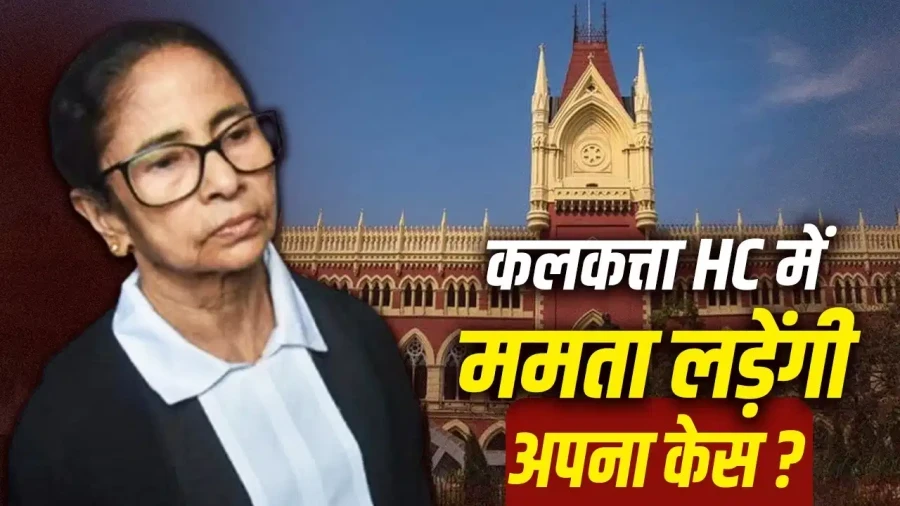
Former West Bengal Chief Minister Mamata Banerjee recently appeared in the Calcutta High Court dressed in lawyer's attire, sparking a significant legal controversy. As soon as the images of her in the professional robes of an advocate went viral, the Bar Council of India (BCI) took notice and sought a formal response from the State Bar Council. Mamata Banerjee stated in court that she intended to argue her own case personally. However, her appearance in the specific uniform of a legal professional has raised several procedural and regulatory questions regarding her current status as an advocate and her right to wear the robes.
Inquiries by the Bar Council of India
The Bar Council of India has directed specific queries to the state body to ascertain the legal standing of Mamata Banerjee's appearance. The primary focus of these questions is her professional registration and adherence to the rules governing advocates. The BCI has asked for her official enrollment number as a lawyer and whether her name continues to be listed on the state's roll of advocates. These details are crucial in determining whether she maintained her professional credentials while serving in public office and if she's currently authorized to practice.
Rules Regarding Office of Profit and Legal Practice
Under the regulations set by the Bar Council and the Indian Constitution, a lawyer holding an 'office of profit' is prohibited from practicing law during their tenure in that position. The rules mandate that such individuals must inform the Bar Council in writing about their hiatus from the profession, while upon vacating the public office, they're required to seek formal permission from the Bar Council to resume their legal practice. The controversy surrounding Mamata Banerjee hinges on whether these procedural requirements were fulfilled during her tenure as Chief Minister and if she followed the protocol for returning to the bar.
Legal Basis for Self-Representation
Supreme Court Advocate Ashwini Kumar Dubey has clarified the legal provisions regarding self-representation in Indian courts. According to him, the Indian legal system grants every individual the right to present their own case before a court of law. This means that if a person is a party to a case, they can seek the court's permission to argue their own side without hiring a lawyer. Notably, a law degree isn't a mandatory requirement for an individual to represent themselves in their own personal legal matters, provided they've the court's consent.
Distinction Between Self-Representation and Appearing as a Lawyer
Advocate Ashwini Kumar Dubey emphasized a critical distinction between representing oneself and appearing in the capacity of a lawyer, while while a court may grant permission to a litigant to speak on their own behalf under certain conditions, appearing as a professional advocate requires compliance with a different set of legal standards. To appear in lawyer's robes and act as an officer of the court, one must satisfy all the regulatory criteria established by the Bar Council of India, while the dispute in Mamata Banerjee's case arises from her choice to wear the lawyer's uniform while appearing in court, which is a privilege reserved for registered advocates.
This incident has also brought to light questions about other political leaders who have chosen to argue their own cases in the past. However, the crux of the current matter remains focused on Mamata Banerjee's enrollment status and the rules governing advocates who hold public office. The Bar Council of India is currently awaiting a response from the state body to determine if her appearance in lawyer's attire was consistent with professional regulations. The situation continues to be a subject of intense legal scrutiny and public debate as the investigation into her professional status proceeds to its next stage.
