
- India,
- 21-Jun-2026 07:36 PM IST



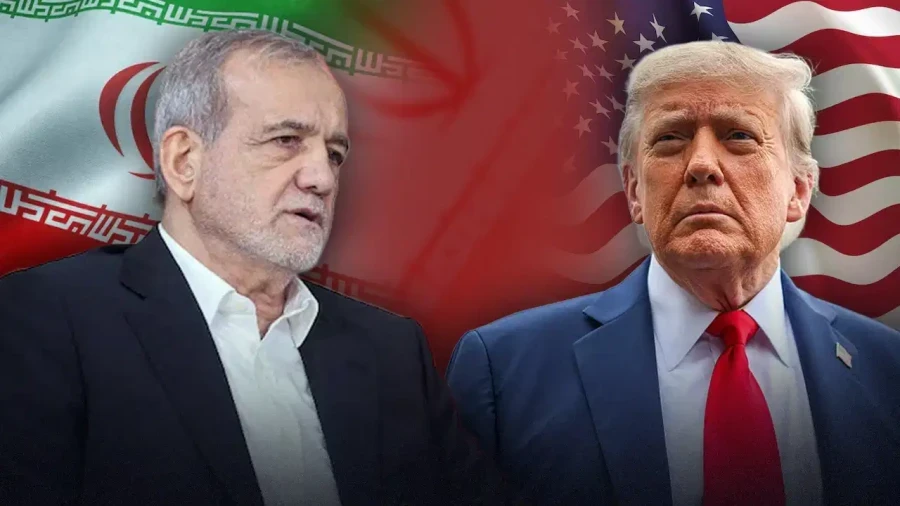
Iranian President Masoud Pezeshkian has articulated a firm stance on the nation's nuclear ambitions, stating that while the Islamic Republic doesn't seek to possess an atomic bomb, it will never relinquish its sovereign right to enrich uranium. This high-stakes declaration was made as Tehran prepares for a pivotal round of negotiations with the United States in Switzerland this Sunday. The President's comments underscore a complex diplomatic balancing act, aiming to secure economic relief while maintaining technological advancements in the nuclear sector. Pezeshkian emphasized that the right to enrichment is a fundamental prerogative that the international community must recognize to move forward with any lasting agreement.
Strategic Objectives in Switzerland
The upcoming talks in Switzerland are set to address several critical issues that have strained relations between the two nations for years. According to the official presidency website, Pezeshkian noted that the American demand for Iran to forgo nuclear weapons isn't a new development. He expressed a willingness to provide formal, written assurances that Iran has no intention of developing a nuclear arsenal. However, he remained uncompromising on the issue of uranium enrichment, asserting that the international community and the opposing parties have no choice but to accept this reality as part of Iran's national policy. The President believes that the terms of the current memorandum of understanding are heavily in favor of Tehran's interests.
A significant portion of the diplomatic agenda will focus on the escalating tensions in the Middle East, particularly the situation in Lebanon. Iranian Foreign Ministry spokesperson Esmaeil Baghaei confirmed that the conflict between Israel and Hezbollah will be a main subject of the discussions. Baghaei, in a video clip released by the IRNA news agency, accused the Zionist regime of violating its commitments in Lebanon, making it a priority for the memorandum of understanding aimed at ending regional hostilities. The spokesperson highlighted that the talks are essential for establishing a framework for peace in the region.
Economic Interests and Frozen Assets
Beyond regional security, the negotiations will tackle the critical issue of Iran's frozen financial assets. The release of 6 billion dollars in funds currently held in Qatar is a top priority for the Iranian delegation. President Pezeshkian indicated that the terms of the preliminary agreement with the United States are favorable to Tehran and will lead to the successful return of these funds, while he noted that these assets would be returned to Iran as part of a broader effort to de-escalate conflicts and stabilize the economy. On top of that, the talks will involve discussions on issuing necessary licenses for the sale of Iranian oil, which remains a vital component of the country's financial recovery.
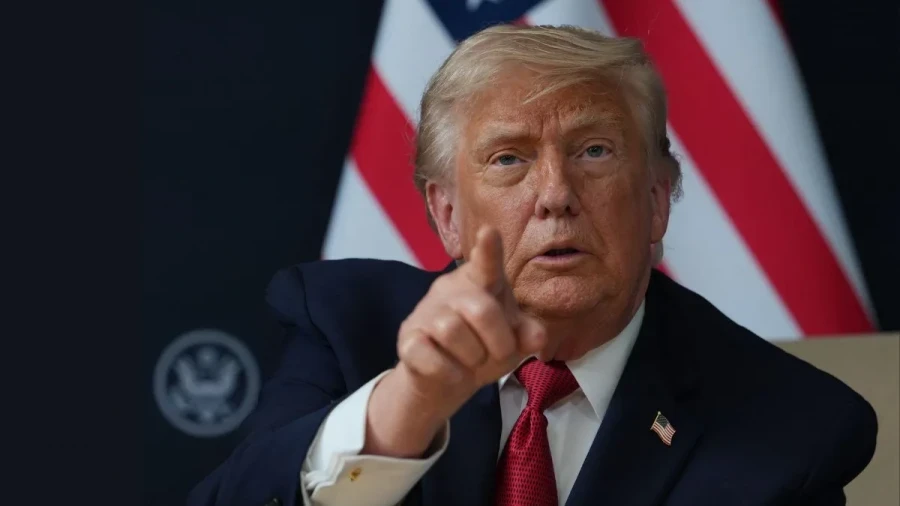
Pezeshkian also took the opportunity to criticize Israeli Prime Minister Benjamin Netanyahu, suggesting that he would be the most displeased by any successful diplomatic outcome. The Iranian President claimed that even former US President Donald Trump has eventually recognized the rights that Washington had previously sought to block, further bolstering Tehran's position in the current negotiations. He expressed confidence that the success of these negotiations would soon become clear to the global community.
International Oversight and Diplomatic Maneuvers
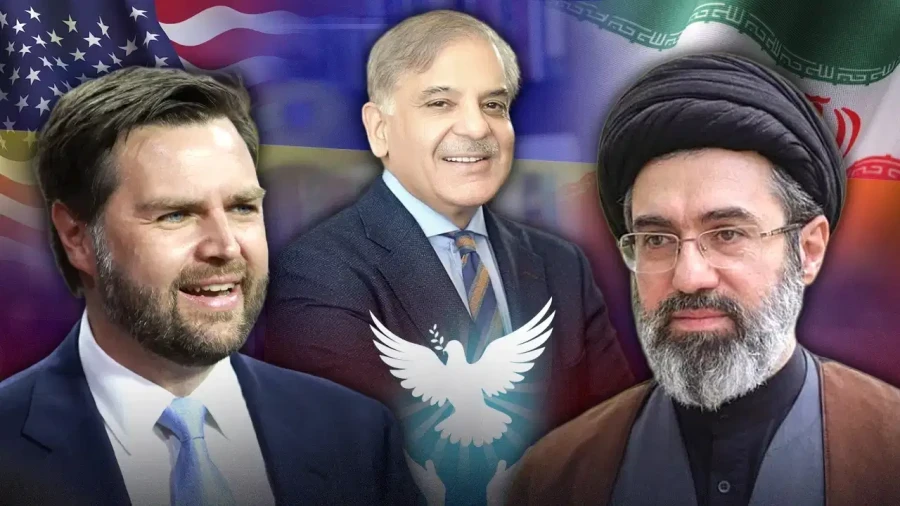
The diplomatic landscape surrounding these talks is further complicated by the involvement of international observers and regional mediators. In Switzerland, a high-level US delegation including Vice President JD Vance, Special Envoy Steve Witkoff, and Jared Kushner met with Pakistani mediators. This group was seen engaging with Pakistani Prime Minister Shehbaz Sharif and Army Chief Asim Munir, highlighting the multilateral nature of the peace efforts, while meanwhile, Rafael Grossi, the Director General of the International Atomic Energy Agency (IAEA), met with Swiss Foreign Minister Ignazio Cassis to discuss the latest developments regarding Iran's nuclear program.
Grossi emphasized the importance of giving diplomacy every chance to succeed during this critical period. This follows a recent resolution by the IAEA Governing Board, supported by the United States, which called on Iran to provide comprehensive information about its enriched uranium stockpiles and allow inspectors to verify them. Reports indicate that as of last June, following strikes by Israel and the US, Iran possessed approximately 440 kilograms of uranium enriched to 60 percent purity, a level dangerously close to weapons-grade material. The success of the upcoming negotiations will likely depend on how these technical and political challenges are addressed by all parties involved.