
- India,
- 21-Jun-2026 03:44 PM IST



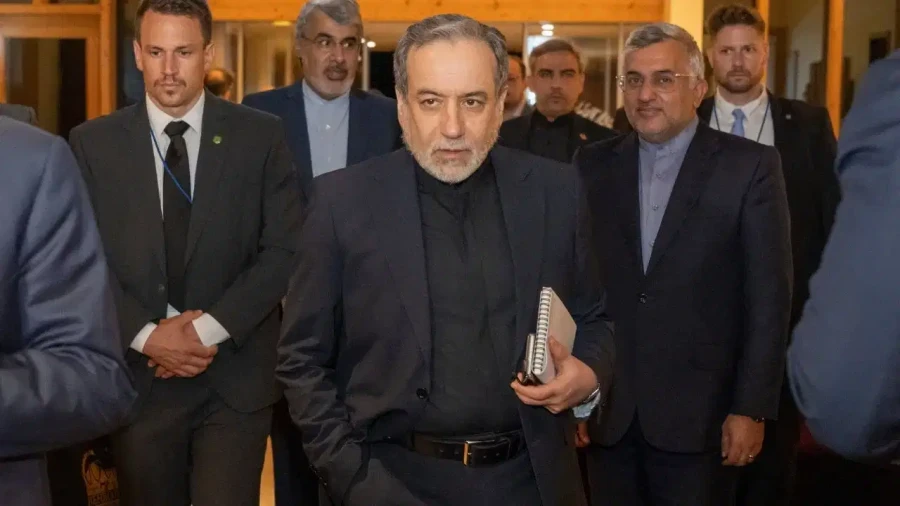
The geopolitical landscape within Iran has become increasingly complex following a new agreement reached with the United States. This diplomatic development has not only caught international attention but has also exposed deep-seated divisions among Iran's political and religious elite. While the administration under President Masoud Pezeshkian views the deal as a necessary step forward, a powerful coalition of hardliners, religious figures, and state-controlled media outlets has launched a vigorous campaign against the rapprochement.
Supreme Leader Intervenes Amid Rising Tensions
The internal debate reached a critical point when a message was issued in the name of Iran's Supreme Leader, Mujtaba Khamenei. Following the formal signing of the agreement, the Supreme Leader addressed the nation, emphasizing the need for unity. He stated that any remarks or actions that foster despair and distrust among the public are effectively aiding the enemies of the state. This message is widely interpreted as a direct warning to the hardline factions that have been relentlessly attacking the deal.
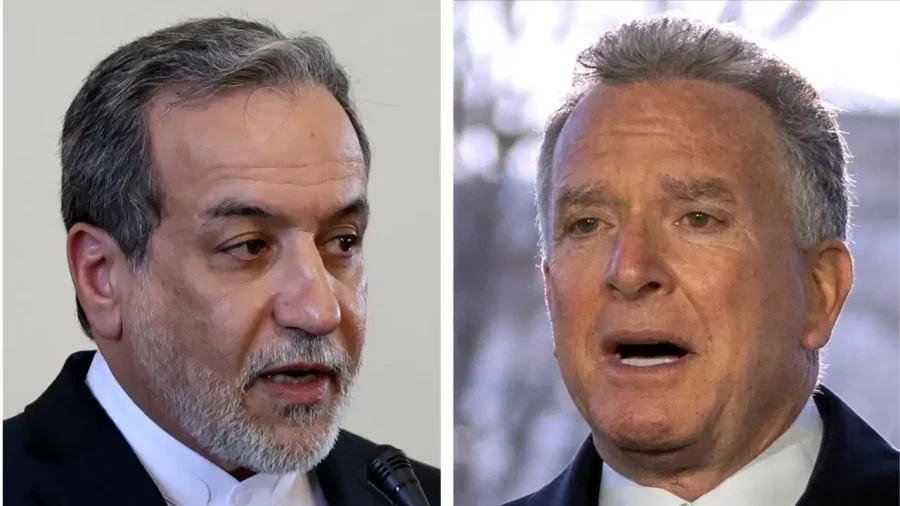
In response to the Supreme Leader's directive, President Masoud Pezeshkian and Mohammad Bagher Ghalibaf, a key figure involved in the negotiations, reaffirmed their commitment. They stated that they would strictly follow the instructions of the country's top leadership and continue to support the negotiation process as a means to safeguard national interests.
The Core of the Opposition
The opposition to the US-Iran deal is led by several influential groups and individuals. The Paydari Party, known for its uncompromising stance, has been at the forefront of the criticism, while their affiliated media outlets and members of parliament have consistently questioned the integrity of the negotiating team. Among the most vocal critics is Hossein Shariatmadari, the editor of the 'Kayhan' newspaper, who has a long history of opposing any form of dialogue with Washington. Also, Member of Parliament Esmail Kousari has voiced significant concerns regarding the potential negative impacts of the agreement on Iran's sovereignty.
According to reports from the Iranian website Khabar Online, the opposition isn't merely a collection of individual opinions but appears to be an organized effort to sabotage the talks and create internal discord. The report specifically identified the state-run television channel, IRIB, as the most significant institutional opponent of the agreement.
Religious Condemnation and Public Reaction
The debate has also taken a religious turn, with several clerics using their platforms to denounce the negotiations. Cleric Gholamreza Ghasemian went as far as to declare that engaging in talks with the United States is "Haram" (forbidden under Islamic law), while similarly, Sheikh Esmail Ramzani argued that establishing good relations with Washington is an impossibility, citing historical grievances and ideological differences.
Mohammad Bagher Ghalibaf has warned that those who continue to defy the Supreme Leader's directives may face a harsh backlash from the public, while while the intensity of the protests has slightly diminished following the Supreme Leader's intervention, the underlying friction remains. The divide between the pragmatic leadership seeking diplomatic solutions and the hardline factions remains a defining feature of Iran's current political climate.