
- India,
- 11-Jul-2026 08:37 AM IST



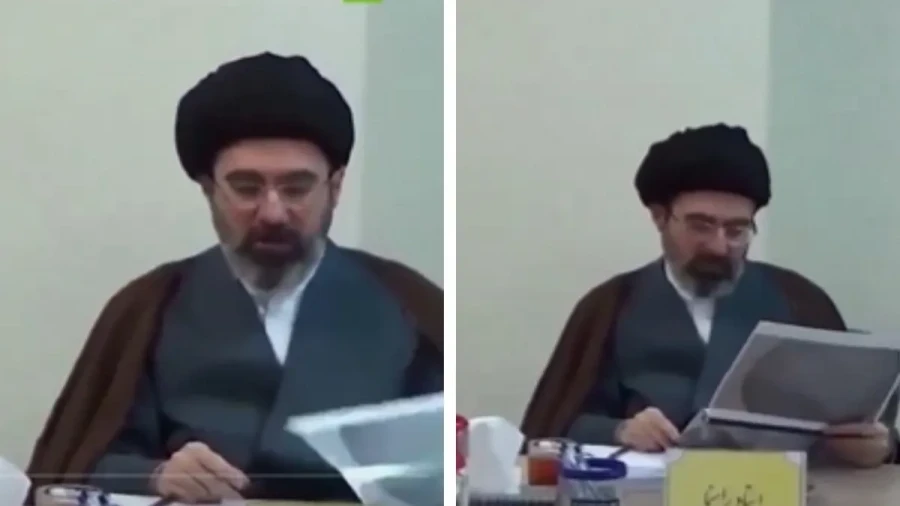
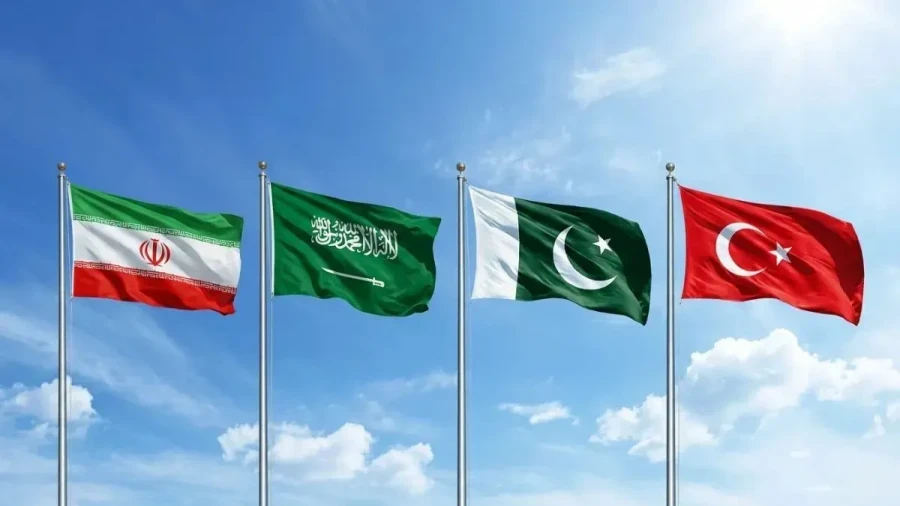
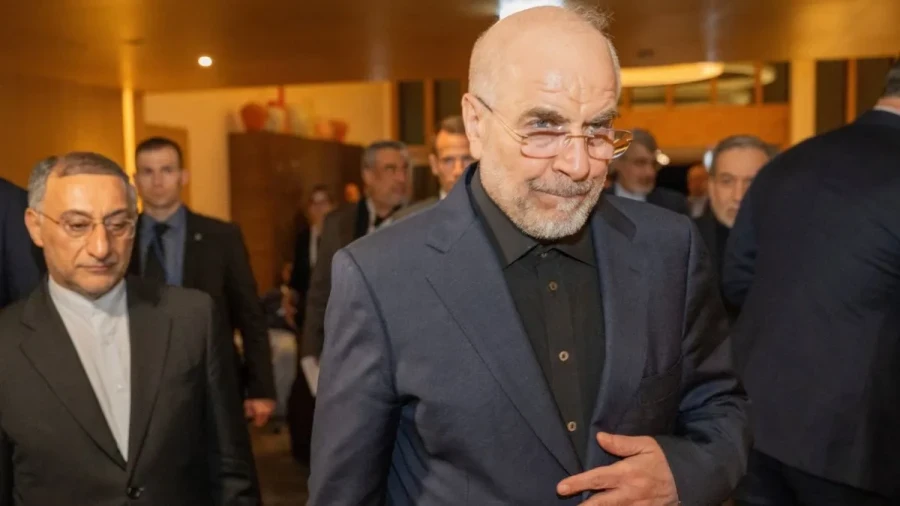
The diplomatic landscape between Iran and the United States remains fraught with tension as Iranian Parliament Speaker Mohammad Baqer Qalibaf recently delivered a stern message regarding the state of bilateral negotiations. Amidst a cycle of broken promises and escalating hostilities, Qalibaf clarified that Iran’s participation in peace talks doesn't equate to a reduction in its military readiness. He stated that the Islamic Republic has consistently maintained its defensive posture, ensuring that the nation is prepared for any eventuality, particularly if the United States fails to uphold its end of diplomatic agreements.
Zero Trust in American Commitments
In a detailed official Telegram post following a meeting with Ahmad Muzani, the Speaker of the People's Consultative Assembly of Indonesia, Mohammad Baqer Qalibaf articulated Iran's profound skepticism toward Washington. He revealed that Iran’s level of trust in the United States stands at zero. This sentiment isn't merely internal rhetoric but has been communicated directly to the highest levels of the American administration. Qalibaf noted that during the peace negotiations held on 17 June, he explicitly conveyed this lack of trust to US Vice President JD Vance.
Qalibaf’s philosophy on international diplomacy with the US is rooted in strength. He argued that only those who are prepared for war can effectively engage in negotiations with the United States. According to the Speaker, Iran has never paused its defensive preparations. He warned that whenever the US retreats from any agreement, Iran will be ready for a Full-Scale Defence. The Speaker emphasized that Iran would stand firm against any American transgressions and continue to fight for its sovereign rights.
Donald Trump Declares Ceasefire Over
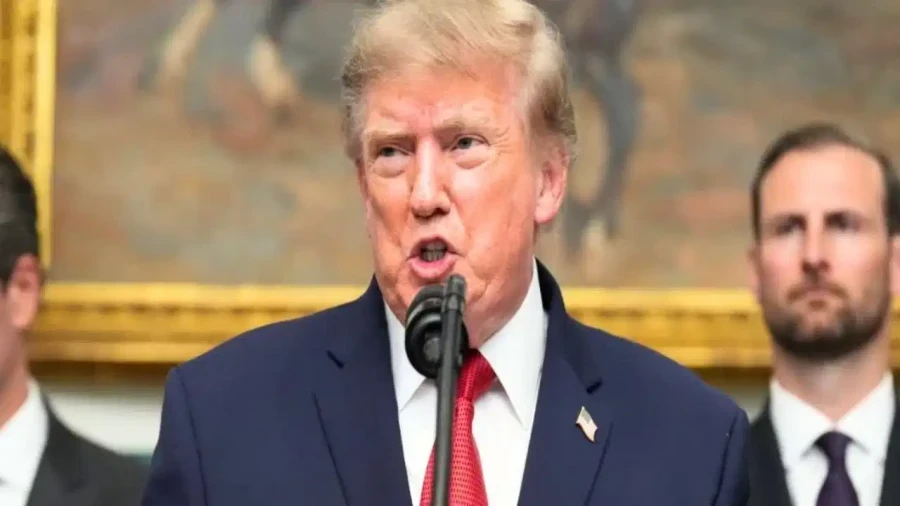
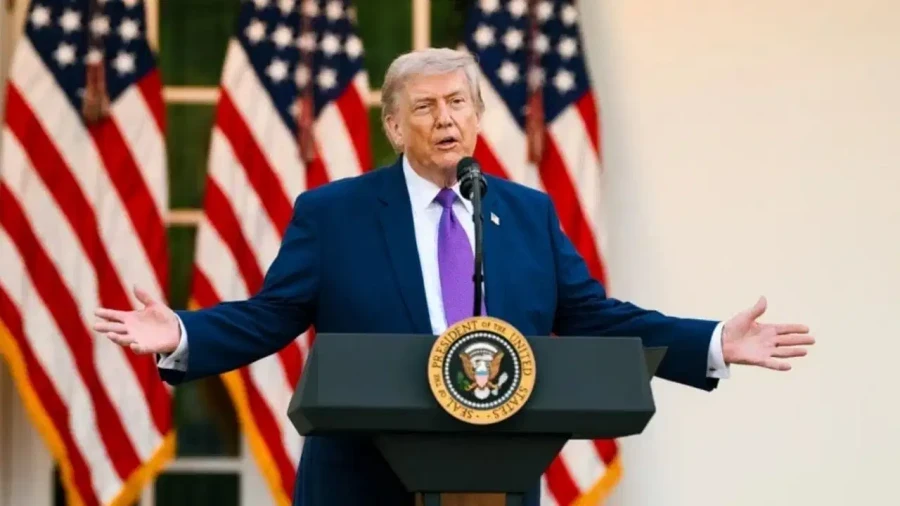
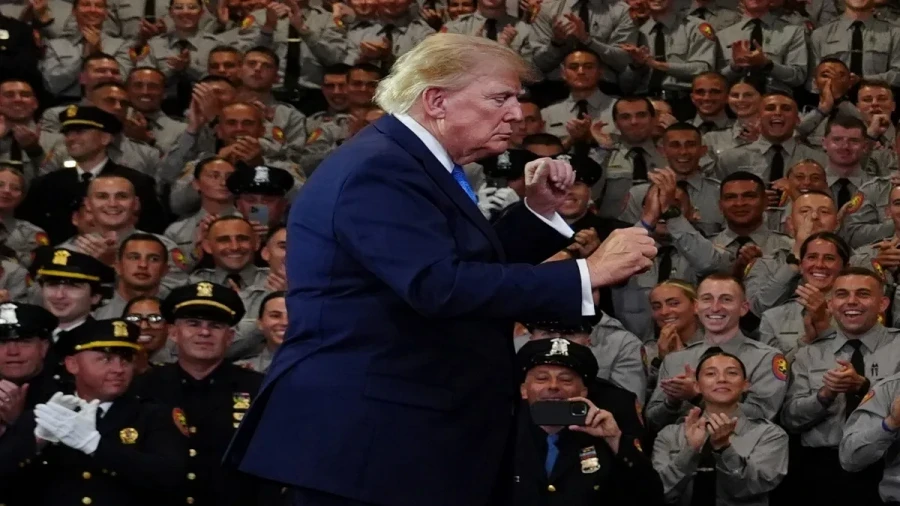
The statements from the Iranian Speaker come in the wake of significant remarks from US President Donald Trump. Trump recently indicated that while the United States agreed to continue talks at Iran's request, the existing ceasefire is effectively dead. Trump stated that the Islamic Republic of Iran had asked to keep the conversation going, to which the US agreed, but he made it clear that the ceasefire has reached its end. This declaration has added another layer of complexity to the already volatile situation, signaling a shift back toward active confrontation.
The Rapid Collapse of the June Agreement
The timeline of the recent diplomatic efforts highlights the fragility of the peace process. The peace agreement between Iran and the United States was signed on 17 June, raising brief hopes for a de-escalation of conflict. However, the ceasefire associated with this agreement couldn't even last for two weeks. By 25 June, the situation deteriorated rapidly following an attack on a ship in the Strait of Hormuz. This incident triggered a series of retaliatory actions from both sides, effectively nullifying the progress made during the 17 June talks. The failure of the ceasefire within such a short window—from 17 June to 25 June—underscores the deep-seated animosity and the lack of a stable foundation for peace between the two nations.