
- India,
- 25-Aug-2026 12:34 PM IST



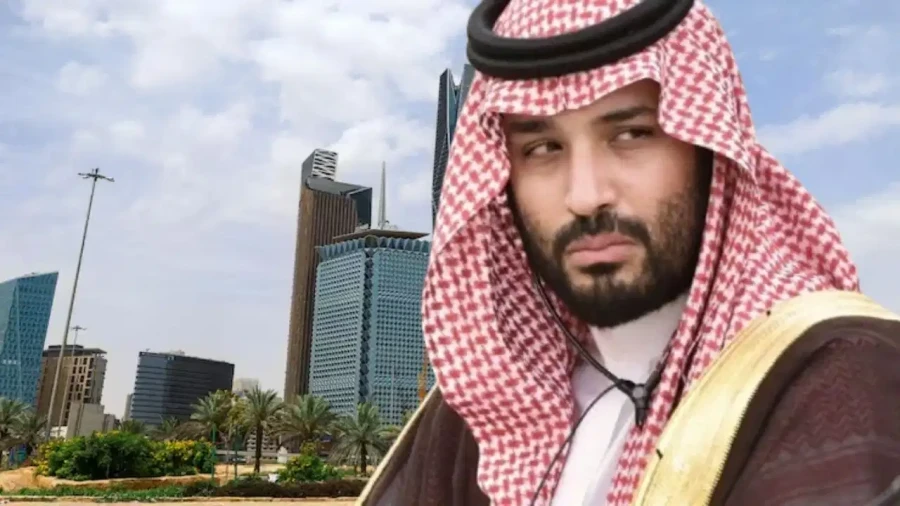
Saudi Arabia's recent diplomatic maneuvers have sparked global interest as the kingdom appears to be performing a complex balancing act between traditional allies and strategic partners. In a series of significant moves, Saudi Arabia first entered into a defense pact with Pakistan and Turkey, known as the Mecca Agreement, and subsequently signed a massive, multi-sectoral deal with France, a close ally of India. This dual approach has raised questions about the kingdom's long-term intentions and its impact on regional stability, especially from an Indian perspective.
The Historic Deal Between Saudi Arabia and France
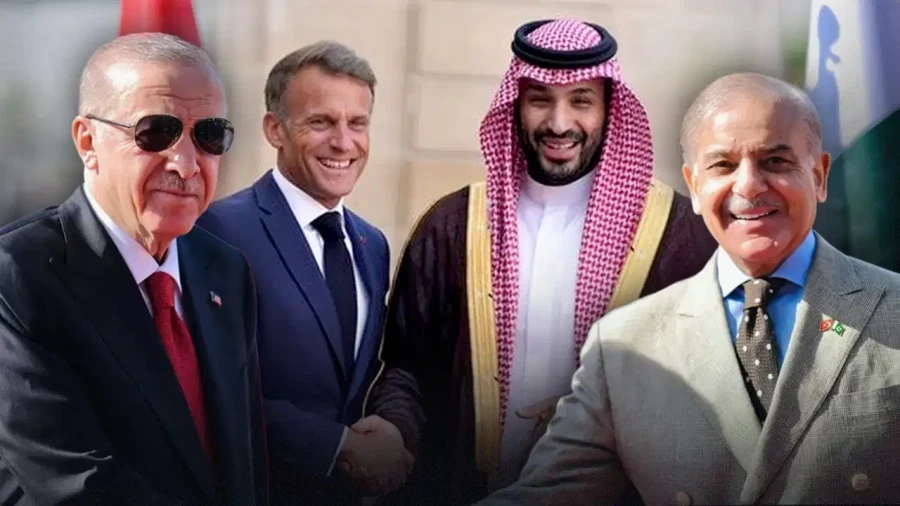
On August 24, a landmark event took place at the Elysee Palace in Paris, where Saudi Arabia and France solidified their relationship through the signing of 21 comprehensive agreements. These agreements span a wide array of sectors including defense, energy, artificial intelligence, tourism, health, and infrastructure. The signing ceremony occurred during the official visit of Saudi Crown Prince Mohammed bin Salman to France. During this visit, the Crown Prince co-chaired the first meeting of the Franco-Saudi Strategic Partnership Council alongside French President Emmanuel Macron, while these agreements are designed to Importantly strengthen the bilateral ties between the two nations and align with Saudi Arabia's ambitious Vision 2030 goals.
The financial scale of this partnership is immense. 7 billion dollars were announced. Also, a credit line of up to 5 billion dollars has been planned to stimulate economic activities and trade between the two countries. One of the most notable aspects of the deal involves the Qiddiya entertainment project in France. A specific agreement was reached to explore large-scale involvement in this project, with a potential investment of nearly 7 billion dollars over its lifecycle. In the healthcare sector, the two nations agreed to collaborate on digital health, public health, clinical trials, and the sharing of AI-based health technologies.
The Mecca Joint Defense Agreement
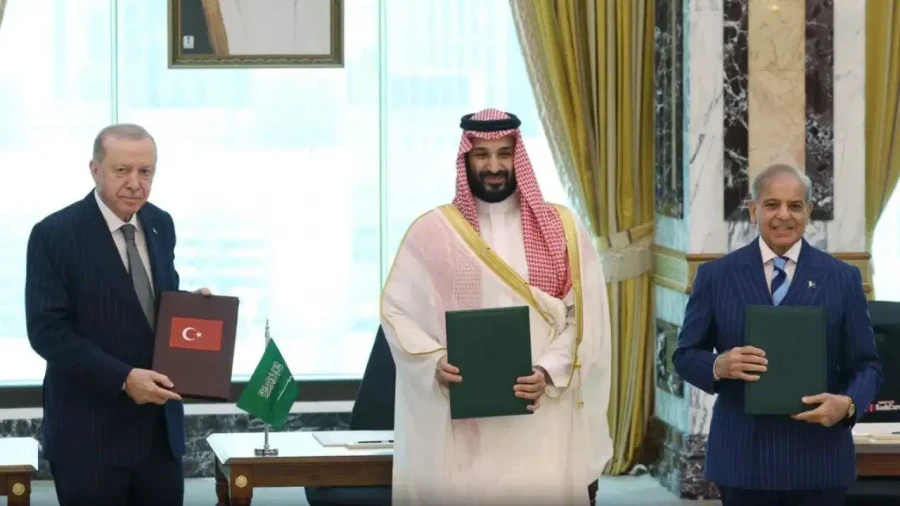
Prior to the engagement with France, Saudi Arabia made headlines by forming a strategic defense alliance with Pakistan and Turkey, while this meeting, held in the holy city of Mecca, resulted in what is now called the Mecca Joint Defense Agreement. The core tenet of this agreement is a mutual defense clause: an external armed attack on any one of the three signatory nations will be considered an attack on all three, while this pact didn't emerge in isolation; it follows a strategic mutual defense agreement signed between Saudi Arabia and Pakistan in Riyadh last year. That earlier agreement also included a provision for creating a specialized intelligence cell between Pakistan's ISI and Saudi Arabia's GID. With Turkey now integrated into this framework, the alliance represents a significant shift in regional military cooperation.
Strategic Motivations and India's Stance
Each participating nation in these deals has distinct motivations. Saudi Arabia aims to reduce its historical security dependence on the United States while seeking a strong regional balance against powers like Iran and Israel. For Pakistan, which is currently grappling with a severe economic crisis, the primary goal is securing financial assistance and investment from the wealthy kingdom. Turkey, on the other hand, views this as an opportunity to expand its market reach and enhance its influence in the Middle East. India is maintaining a vigilant watch over these developments, particularly the Mecca Agreement involving its adversary, Pakistan.
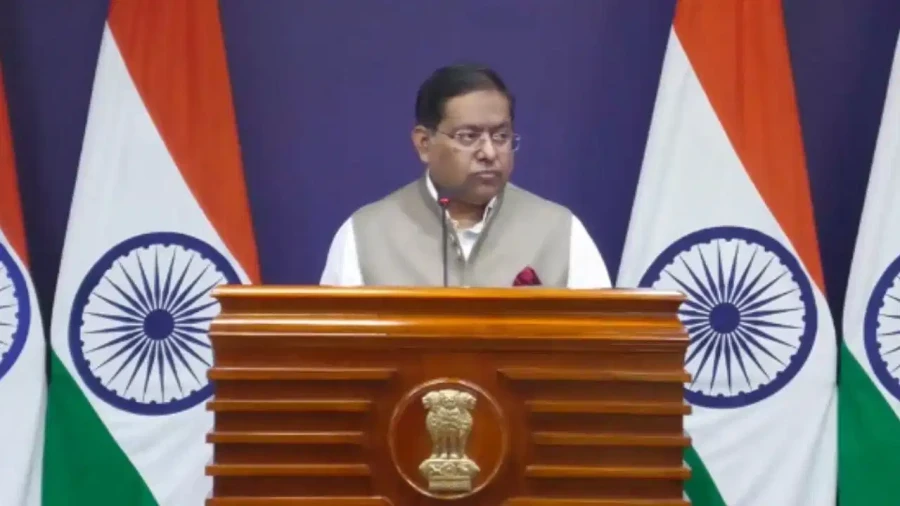
Indian External Affairs Minister S. Jaishankar recently addressed the Saudi-Turkey-Pakistan defense pact. He stated that India maintains a close watch on those who aren't considered friends. Jaishankar noted that the countries involved in the agreement are themselves facing significant military challenges. He emphasized that India monitors all activities related to nations that don't maintain a friendly attitude toward it, ensuring that national interests remain protected amidst these shifting global alliances.