
- India,
- 03-Jul-2026 02:46 PM IST



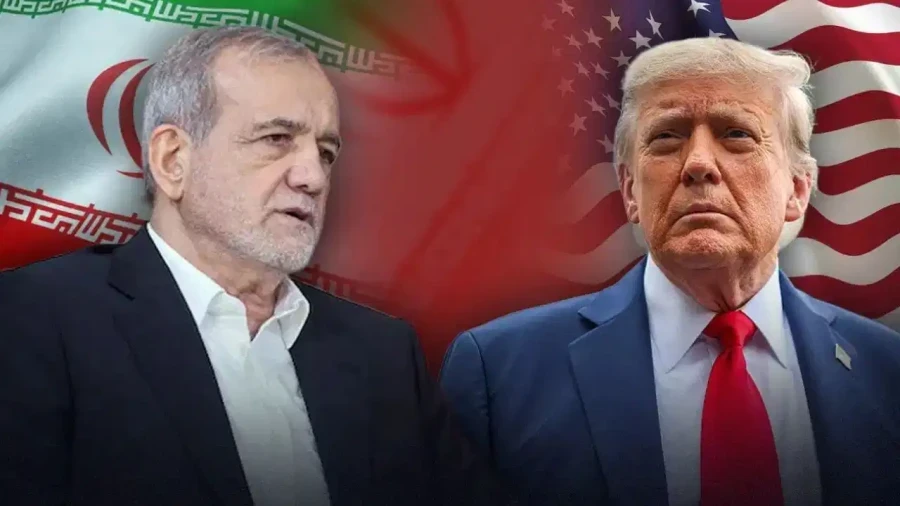
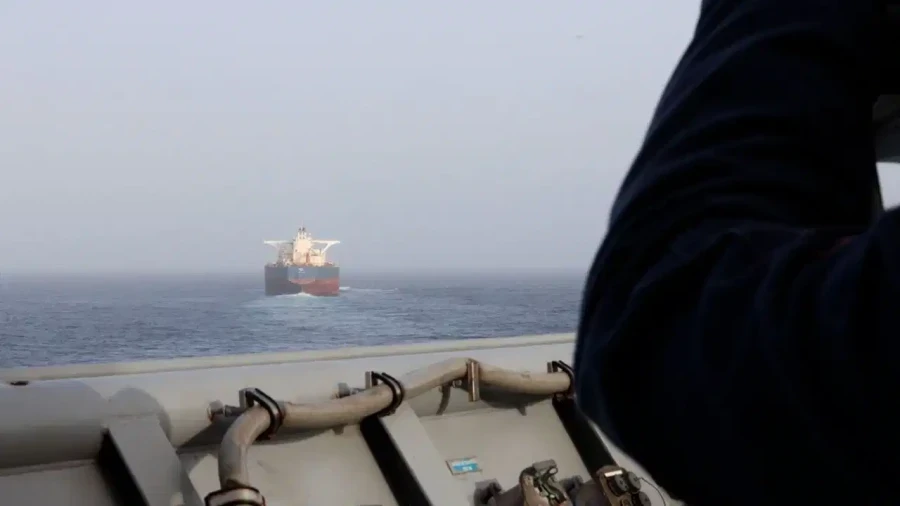
The geopolitical and economic landscape of the Middle East is witnessing a significant shift as Iran has officially communicated its decision to impose toll charges on all maritime traffic passing through the Strait of Hormuz. During a high-level meeting held in Qatar, Iranian officials informed the United States of their intent to generate massive revenue from one of the world's most critical maritime chokepoints. Tehran has set an ambitious annual target of 43 billion dollars through these toll collections, asserting its sovereign rights over the waterway and comparing its authority to the management of the Panama Canal.
The Financial Breakdown of the Toll Plan
8 million dollars every single day from the ships traversing the strait. Under normal circumstances, before the escalation of regional conflicts, the Strait of Hormuz saw an average daily traffic of 120 ships. Based on these figures, Iran intends to charge roughly 1 million dollars per ship. This calculation is specifically designed to meet the 43 billion dollar annual goal once maritime traffic returns to its pre-war levels of 120 vessels per day. Iran has made it clear to its neighboring countries that it views this revenue as essential for its economy.
US Intervention and Iran's Rejection
The Wall Street Journal reported that the United States made significant efforts to dissuade Iran from implementing this toll. US envoys Steve Witkoff and Jared Kushner reportedly met with Iranian representatives to discuss the matter and prevent the disruption of global trade costs. The American side offered a substantial incentive, suggesting that if Iran abandoned its toll plan, the US would facilitate the release of all seized Iranian funds in cash. However, Iran remained steadfast in its position, refusing to back down from its revenue-generating strategy. Tehran has insisted that it has the legal right to charge for passage through the strait, much like other international maritime corridors.
Currency Preferences and Regional Dynamics
In a move that further complicates international trade and financial systems, Iran has expressed a preference for receiving these toll payments in either Chinese or Russian currency rather than the US dollar. This decision aligns with Tehran's broader strategy to diversify its revenue streams and reduce its dependence on Western financial infrastructure. While Iran plans to keep the bulk of the revenue for its own treasury, it has indicated that a portion of the collected funds will be shared with Oman, which also shares the coastline of the strait. This revenue-sharing model is part of Iran's plan to manage the waterway's logistics.
Oman's Proposal and Iran's Stance
Oman had previously attempted to mediate the situation by proposing a compromise to avoid direct confrontation between Iran and international shipping interests. The Omani suggestion involved Iran collecting the toll under the guise of an environmental fee. On top of that, Oman proposed that the entire management and collection system be handed over to an independent third-party agency or another country. This was intended to ensure transparency and prevent the Iranian Revolutionary Guard from exercising arbitrary control or direct interference in the Strait of Hormuz, while however, Iran summarily rejected this proposal, stating that it requires immediate revenue and won't delegate the responsibility of toll collection to any external entity or agency. Tehran has made it clear that it will manage the toll system independently to ensure the funds reach its coffers directly.