
- India,
- 30-Jun-2026 03:06 PM IST



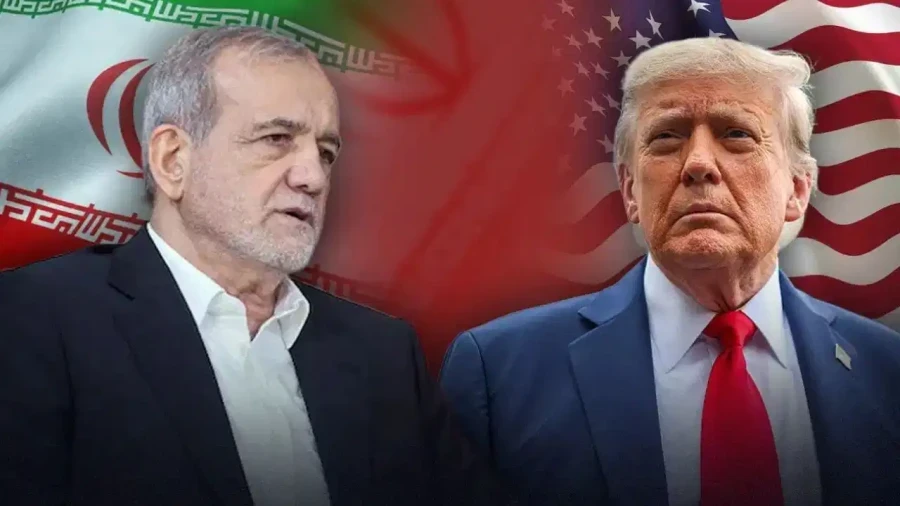
In a significant shift in Middle Eastern diplomacy, Saudi Arabia, Qatar, and Oman are reportedly collaborating on a new strategic plan that aims to exclude the United States from the ongoing Iran deal negotiations. These Gulf nations have reached a consensus that the success of any long-term agreement with Iran is contingent upon the absence of American involvement. This development follows a previous move where Israel was excluded from the Iran deal framework, signaling a growing desire among regional powers to manage their own security and economic interests without external interference.
The Rationale Behind Excluding the United States
The primary motivation for Oman, Saudi Arabia, and Qatar in pursuing this plan is the perceived decline in the credibility of the United States. The ongoing conflicts in the region have led these nations to believe that American presence is no longer a stabilizing factor but rather a hindrance to the effective implementation of the Iran deal, while according to reports, the Gulf countries feel that the current geopolitical climate, influenced heavily by US policies, has prevented the deal from being executed properly. This new initiative is expected to gain momentum following a proposed meeting between the US and Iran in Qatar, which was originally intended to discuss the full implementation of a temporary agreement.
The August 2026 Roadmap
According to reports from The Telegraph, the strategic objective of Saudi Arabia, Qatar, and Oman is to reach a final, comprehensive agreement by August 2026. The plan currently being drafted focuses on removing the United States from the equation to ensure that the agreement can be implemented smoothly in the future without the complications of shifting American political landscapes or conflicting interests. By creating a localized framework, the Gulf nations hope to establish a more sustainable and reliable peace process.
Key Pillars of the Gulf Nations' Strategy
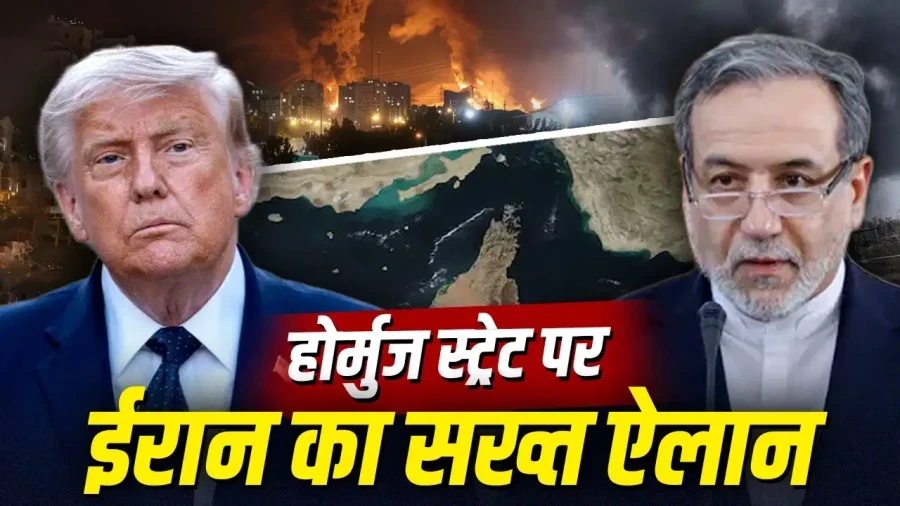
The plan devised by the Gulf countries is built upon several critical objectives aimed at ensuring regional prosperity and security. First and foremost is the establishment of peace within the Persian Gulf to facilitate and expand the global oil trade, while to achieve this, the Gulf nations are reportedly willing to accept Iran's terms regarding tolls. Currently, the United States has refused to recognize or accept the toll conditions imposed by Iran for passage through the Strait of Hormuz. The Gulf nations are working on a proposal where Iran would receive payments under the guise of tolls, a move they believe will satisfy Iranian demands and ensure the free flow of energy resources.
Secondly, the Gulf countries intend to reframe the Iran dispute as a localized, regional issue rather than a global geopolitical conflict. This strategy is designed to provide the United States with a safe exit from the negotiations, while the current stalemate exists because Iran is unwilling to yield to American pressure, and the United States is equally reluctant to appear as though it's surrendering to Iranian demands. By removing the US, the Gulf nations believe they can break this deadlock.
Regional Security and the Lebanon Factor
The Gulf nations are also concerned about the disproportionate impact of the conflict on their own territories. Being immediate neighbors of Iran, they face greater risks compared to the United States, which is geographically distant, while the diplomatic process has already seen a series of high-level meetings to ensure regional security. On Monday, 29 June, the first round of talks took place between Iran and Oman. This was followed by discussions between Oman and Qatar, then Iran and Saudi Arabia, and finally, a meeting between Qatar and Saudi Arabia to solidify their collective stance.
Plus, the presence of the United States is seen as a complicating factor in the Lebanon crisis. Iran has been pressuring the US to bring peace to Lebanon, while Israel has reportedly been ignoring American directives, while the Gulf nations believe that if the United States exits the deal, the tensions surrounding the Lebanon issue will naturally subside, as the primary source of friction between the competing powers would be removed.
The Strategic Importance of the Strait of Hormuz
A central point of contention remains the Strait of Hormuz, while under the proposed agreement, Iran would commit to not developing nuclear weapons, but it has made it clear that it won't relinquish its claims over the Strait of Hormuz under any circumstances. This area has recently been a flashpoint for military tensions between the US and Iran. Former Russian President Dmitry Medvedev has described the Strait of Hormuz as a new age nuclear weapon, highlighting its immense strategic value. In recent conflicts, Iran's ability to threaten the closure of this strait has been a powerful tool in bringing international pressure to bear.
The Strait of Hormuz serves as the gateway to the Persian Gulf and is one of the most vital maritime passages in the world. Approximately 20 percent of the world's total oil and gas supply passes through this narrow route. Major energy exporters, including Saudi Arabia, Qatar, the United Arab Emirates, and Kuwait, depend on this passage for their exports, while by securing a deal that includes Iranian toll terms, the Gulf nations aim to protect this 20 percent of global energy supply and ensure their economic stability for the long term.