
- India,
- 29-Jun-2026 08:39 AM IST



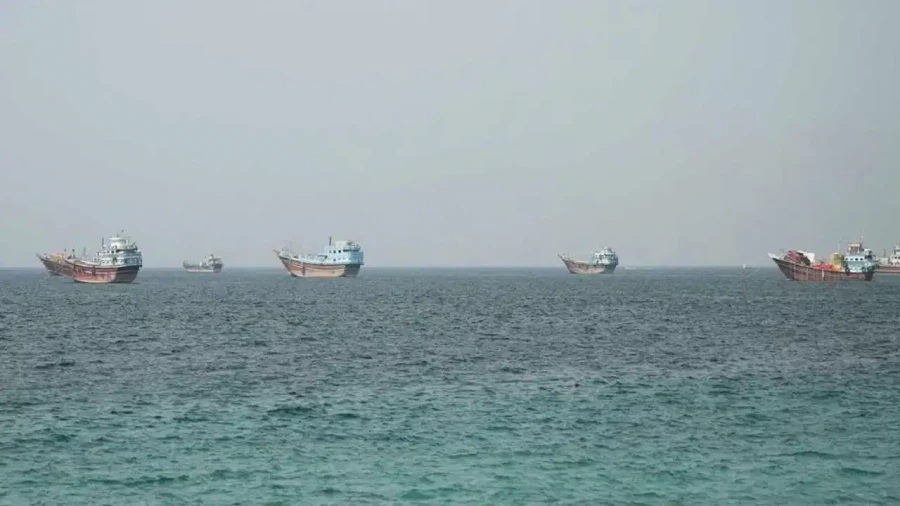
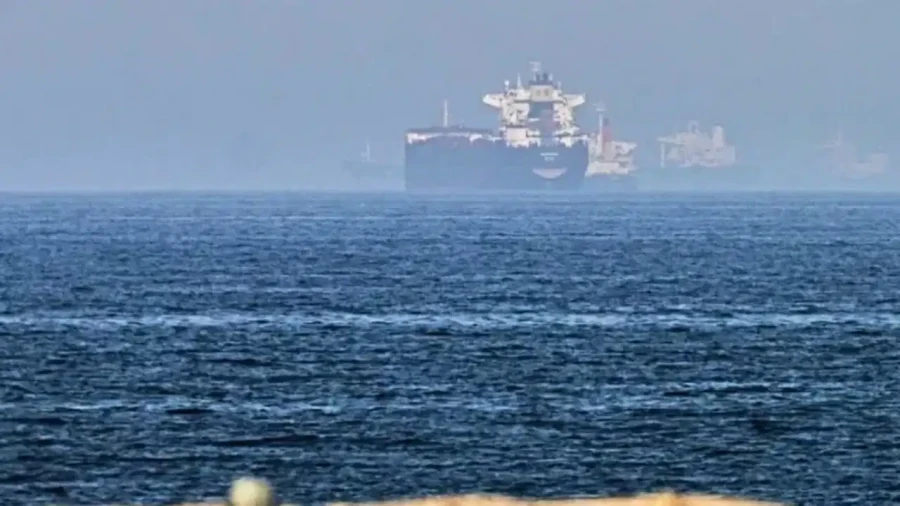
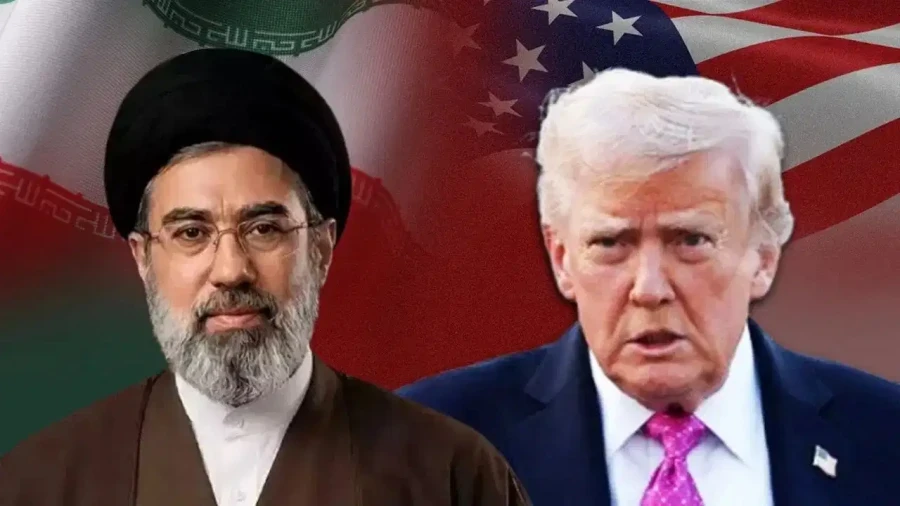
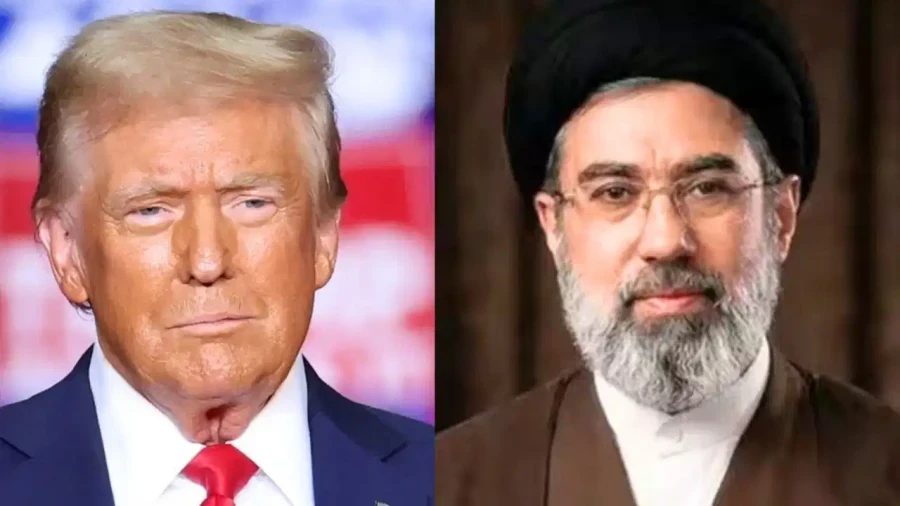
The United States and Iran have reached a significant understanding to halt mutual military actions, marking a potential de-escalation in regional tensions, while according to a report by Axios, both nations have agreed to set aside their immediate differences to address the ongoing dispute over the Strait of Hormuz. A senior American official confirmed that a high-level meeting is scheduled to take place in Doha, Qatar, this Tuesday. This meeting aims to find a diplomatic resolution to the friction surrounding one of the world's most critical maritime corridors.
The Doha Meeting and Military De-escalation
S, while official stated that both countries have decided to stop all forms of military action for the time being. Another official added that both sides will currently step back, allowing ships to move through the waterway without any hindrance while technical discussions continue. This development was confirmed by multiple sources familiar with the matter, including a third source who corroborated the Tuesday meeting in Doha. The primary objective of these talks is to ensure that the Strait of Hormuz remains a stable passage for international trade.
Iran's Stance on Maritime Control
Despite the agreement to meet, significant ideological gaps remain, while iran has explicitly stated that it doesn't agree with the arguments put forth by the United States. S. maintains that the current agreements don't grant Iran exclusive control over the Strait of Hormuz and that international waterways must remain open for the unhindered movement of vessels. However, Iranian Foreign Minister Abbas Araghchi expressed a different view on Sunday. He asserted that under the initial peace agreement, Iran holds the full authority to manage traffic within the Strait of Hormuz, while araghchi emphasized that Tehran rejects the American interpretation that suggests Iran lacks control over the passage.
A Fragile Ceasefire Under Threat
The current situation is described as a delicate ceasefire that was established 11 days ago. S. President Donald Trump. " This rhetoric adds a layer of uncertainty to the upcoming diplomatic efforts in Qatar. The tension is further fueled by recent maritime incidents. The dispute escalated Importantly after Iran reportedly attacked a ship near the coast of Oman as it attempted to cross the strait. Tehran has been demanding that vessels use a specific, separate route along its coastline and had previously issued warnings against using alternative paths.
The June Agreement and Future Governance
The legal and administrative framework for the Strait's management traces back to an agreement signed by President Trump in early June, as reported by the Wall Street Journal. This document reportedly assigns the responsibility of keeping the Strait of Hormuz open to Iran. The agreement specifies that the Islamic Republic of Iran will exert its best efforts to ensure the safe passage of commercial vessels. Plus, it outlines that Iran, in consultation and negotiation with other countries in the region, will establish the rules for the future administration and maritime services of the Hormuz region. This Tuesday's meeting in Doha is expected to dive into deeper into these administrative responsibilities and the technicalities of maritime traffic management.