
- India,
- 29-Jun-2026 08:44 AM IST



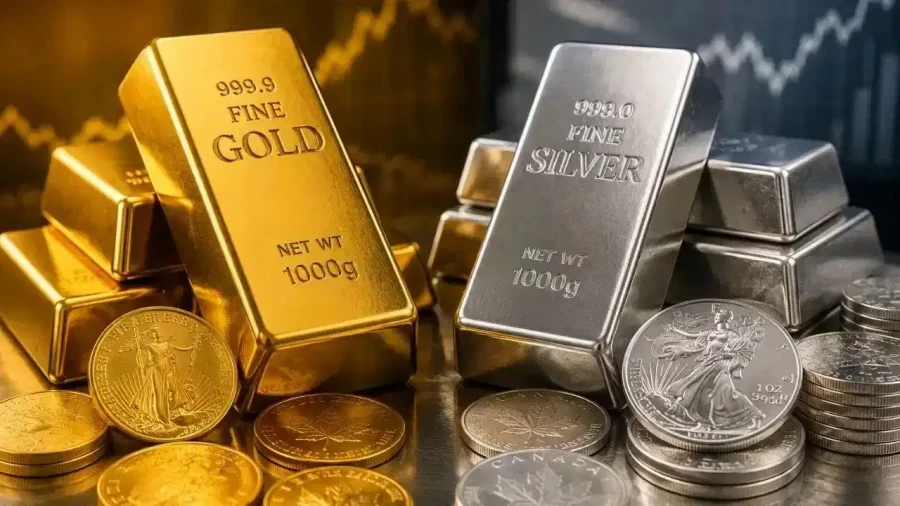
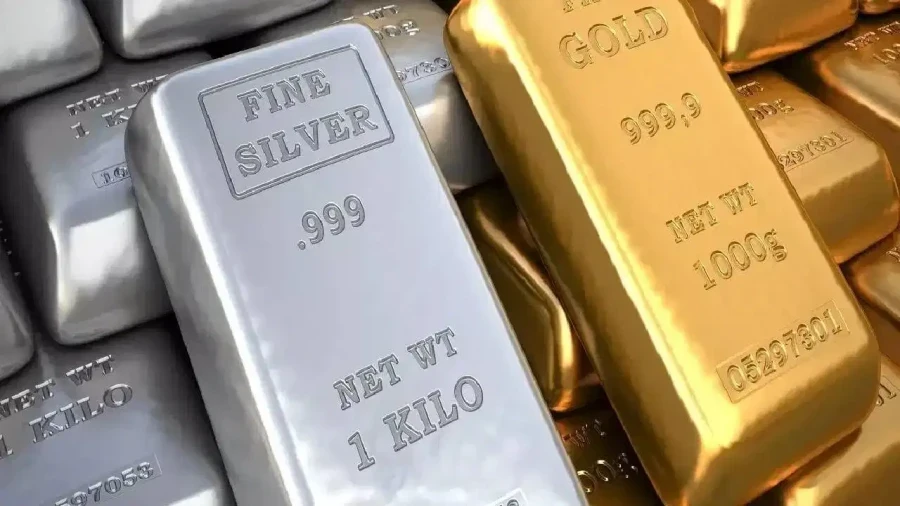
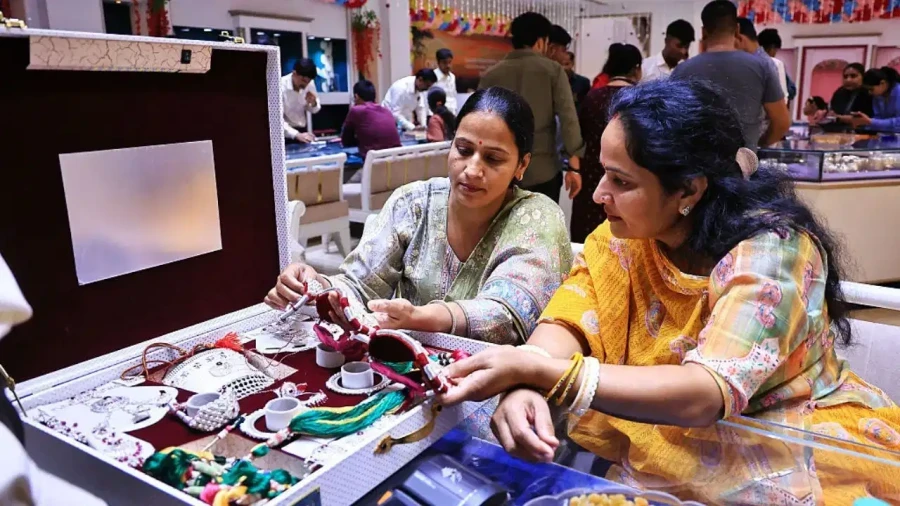
Indian households are currently capitalizing on the high prices of gold, leading to a significant shift in the bullion market. In the last quarter alone, Indians have sold approximately 50 tons, which is equivalent to 50,000 kilograms, of old jewelry. This represents a massive 43 percent increase compared to the same period last year. The primary driver behind this surge is the growing fear among consumers that gold prices might witness a sharp correction. 2 lakh rupees per 10 grams. Consequently, customers are opting for liquid cash instead of exchanging old gold for new ornaments.
The Shift from Jewelry to Liquid Cash
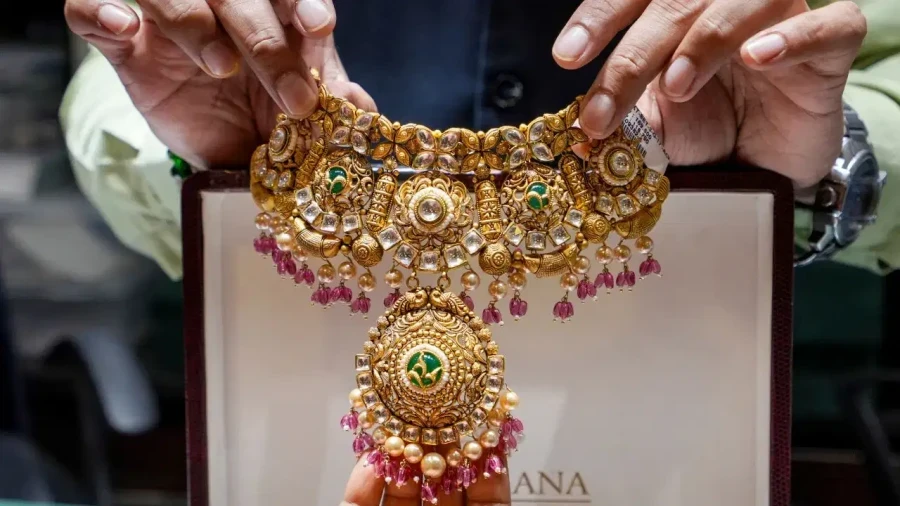
For generations, gold has been more than just an ornament for Indian families; it has been a trusted financial companion during times of crisis. However, the current scenario in the bullion markets is quite the opposite. According to industry experts and major bullion traders, the traditional rule of the Indian market was that people would bring old jewelry during the wedding or festive seasons to exchange it for new designs. This trend has undergone a complete transformation. Currently, 7 out of every 10 customers visiting jewelry shops aren't asking for new jewelry. Instead, they're requesting purity checks followed by immediate cash payments or bank transfers. This shift has led to a more than 43 percent rise in cases where old gold is being liquidated for cash compared to the previous year.
Why the Market Fears a Crash
The fear of a market crash among the general public and investors isn't unfounded. Several global and domestic factors are contributing to this sentiment, while 80 lakh rupees per 10 grams in international markets but is now struggling to maintain those elevated levels. 20 lakh rupees. Experts suggest that ongoing tensions in the Middle East and shifts in global central bank policies could trigger a downward correction at any moment, while this has led many to believe that the current rates are optimal for selling and booking profits, as any further delay could result in losing the gains made during the price rally.
Impact on the Jewelry Business and Recycling Industry
While the influx of old gold into the market is increasing liquidity for jewelers, the demand for fresh gold is experiencing a significant slowdown. Despite the ongoing wedding season, consumers are avoiding the purchase of heavy jewelry. If old gold continues to enter the market at this pace, the domestic supply will increase, potentially putting further downward pressure on prices. Keyur Shah, the CEO of Muthoot Exim, noted that customers are now more comfortable selling their idle gold through organized and transparent channels. This not only ensures they receive the correct value for their gold but also strengthens the domestic gold ecosystem by putting the precious metal back into circulation.
Reducing Dependency on Imports
The organized recycling sector plays a crucial role in this ecosystem, while companies like Muthoot Exim purchase old and unused gold directly from customers, refine it into 24-carat pure gold, and then supply it to jewelry and coin manufacturers. This process reduces the reliance on new mining and increases the availability of the metal within the country. This shift is particularly significant as India remains heavily dependent on imported gold, while 4 billion dollars. In contrast, the volume of recycled gold in 2025 was estimated to be between 125 and 150 tons. Industry estimates suggest that if the current trend persists, the volume of recycled gold could rise to 200 to 250 tons in 2026.
The Potential of Indian Household Reserves
Indian households are estimated to hold nearly 30,000 tons of gold. Industry leaders view organized recycling as a major opportunity to enhance resource efficiency and reduce import bills. Augmont has been expanding its 'Gold For All' network, opening 114 centers across various states to facilitate organized gold valuation and recycling. Ketan Kothari, Director of Augmont, pointed out that while India holds the world's largest stock of gold in households, a significant portion of it remains idle, while by providing organized channels, more of this gold can be brought back into the economy, benefiting both the consumers and the national interest.