
- India,
- 28-Jun-2026 04:17 PM IST



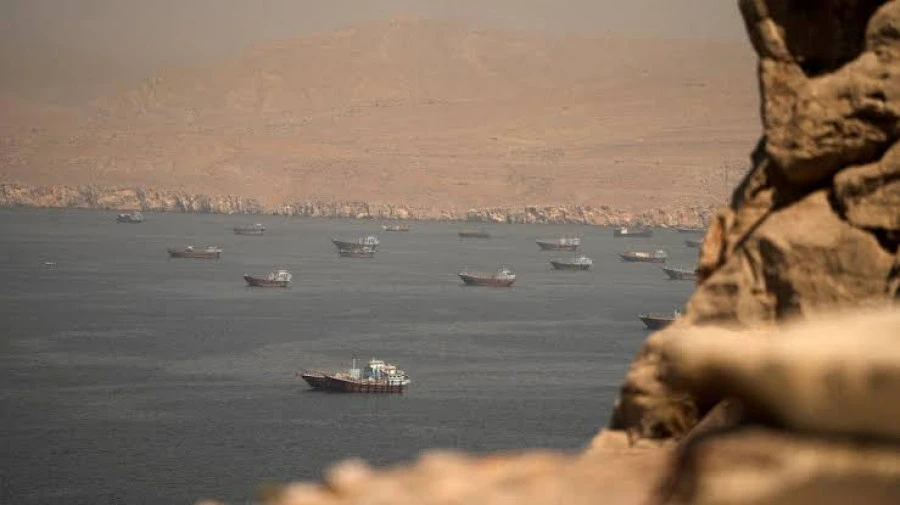
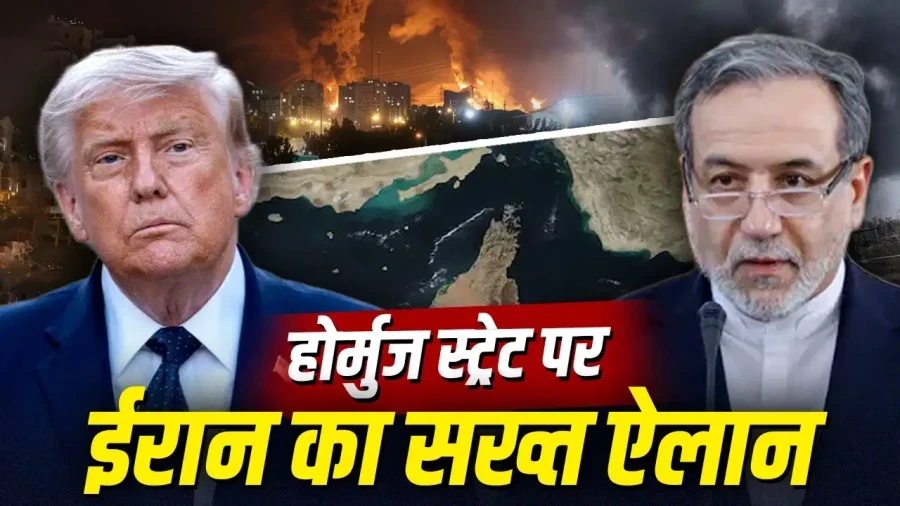
Iranian Foreign Minister Abbas Araghchi has officially announced that the strategic Strait of Hormuz will remain under the absolute control of the Islamic Republic of Iran for the next 30 days. This significant declaration was made during a joint press conference held in Baghdad, where Araghchi was meeting with his Iraqi counterpart, Fuad Hussein. The Iranian minister emphasized that during this period, Iran would be solely responsible for the supervision and management of this vital maritime passage, which is a critical artery for global energy supplies.
Warning Against External Interference
During his address, Araghchi issued a stern warning to external powers and any parties considering unilateral actions in the region. He stated that any form of interference or unauthorized involvement wouldn't only escalate existing tensions but would also lead to significant delays in restoring the Strait to its full operational capacity. According to Araghchi, the responsibility for the Strait of Hormuz lies exclusively with Iran, and he clarified that no other party or country has a role in its management under the current circumstances. He noted that this position is fully aligned with the existing Memorandum of Understanding (MoU) and that any deviation from this would only worsen the regional situation.
Proposal for a New Regional Security Framework
In the wake of Iran's retaliatory strikes on US military bases in the Middle East, Araghchi called for the establishment of a new regional security framework. He proposed that this framework should exclusively involve the countries within the region, effectively excluding any presence or interference from nations outside the Middle East. The Foreign Minister argued that any attempts to adopt new or different arrangements that challenge Iran's control over the strategic waterway would create more difficult conditions and further delay the reopening of the Strait. He pointed to the events of the past two nights as evidence of how such challenges can heighten regional instability.
US Responsibility and the Lebanon Context
Araghchi also addressed the role of the United States, insisting that Washington must fulfill its responsibilities under the signed Memorandum of Understanding. He specifically mentioned that all clauses of the MoU, including those pertaining to Lebanon, must be strictly implemented. The Iranian Foreign Minister expressed regret over the continued aerial attacks by the Zionist organization on Lebanon, noting that Israel had also accepted the terms of the MoU. He urged the United States to exert pressure on Israel to cease its military operations in Lebanon and to withdraw from the Lebanese territories it currently occupies, stating that this was a primary clause of the agreement.
Iraq Stance on Regional Conflict
Iraqi Foreign Minister Fuad Hussein, speaking alongside Araghchi, expressed Iraq's firm opposition to the escalation of war in the Gulf region. Hussein stated that Iraq doesn't support any actions that would expand the conflict and is specifically against attacks on Iran. He lamented that the Islamic Republic of Iran, as a neighboring country, has become a target of war and aggression, while the joint press conference highlighted the shared concerns of both nations regarding the stability of the Middle East and the need for a diplomatic resolution to the ongoing tensions, while Iran maintains its firm grip on the Strait of Hormuz for the designated 30 day period.