
- India,
- 04-Jun-2026 08:35 AM IST



In a significant move towards regional stability, Israel and Lebanon have reached an agreement to re-implement a ceasefire. This development follows intensive diplomatic efforts and a fourth round of talks held at the United States Department of State. The agreement marks a critical juncture in the ongoing conflict, aiming to establish a more durable peace through specific security measures and territorial adjustments.
Key Conditions of the Ceasefire
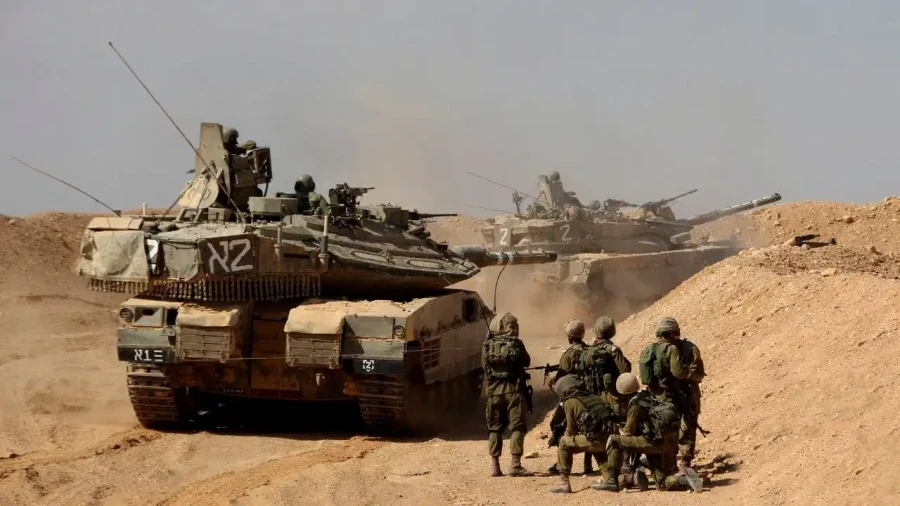
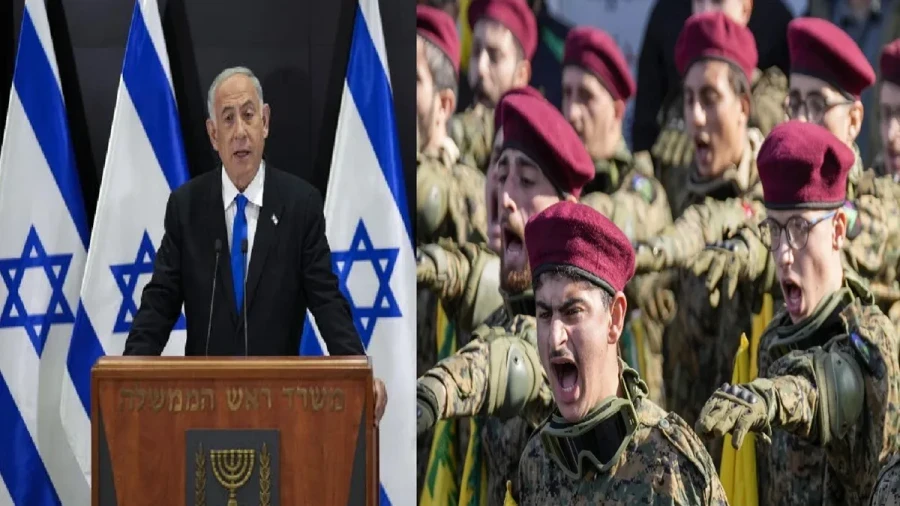
The success of this renewed ceasefire hinges on several strict conditions. According to a joint statement issued after the negotiations, Hezbollah is required to completely cease all firing activities. Plus, the group must withdraw all its fighters from the regions located south of the Litani River. This withdrawal is seen as a fundamental step in reducing direct friction between the warring parties and ensuring the safety of border communities.
Establishment of Pilot Security Zones
A central feature of the new agreement is the creation of several pilot security zones within Lebanon. These zones are designed to act as buffers where Hezbollah fighters will be strictly prohibited from entering. While the specific operational details and the exact structure of these zones are yet to be fully disclosed, it has been confirmed that the Lebanese Army will take full and exclusive control of these areas. This move is intended to restore state authority over Lebanese territory and prevent non-state actors from utilizing these regions for military purposes.
Sovereignty and External Influence
The negotiating parties emphasized that the future of relations between Israel and Lebanon must be determined solely by their respective sovereign governments. The joint statement explicitly rejected any attempts by external nations or non-governmental organizations to hold Lebanon's future hostage, while this stance is widely interpreted as a reference to Iran, which provides significant support to Hezbollah. Iran has previously suggested that Israeli attacks on Lebanon should cease as part of a broader temporary agreement with the United States to end the conflict with Tehran. Notably, Hezbollah wasn't a direct participant in these bilateral talks between Israel and Lebanon.
Donald Trump's Role and the Beirut De-escalation
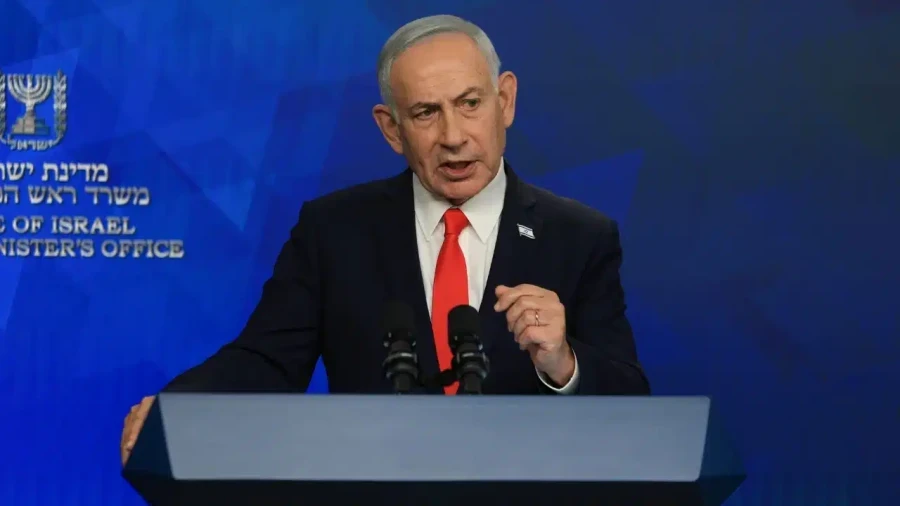
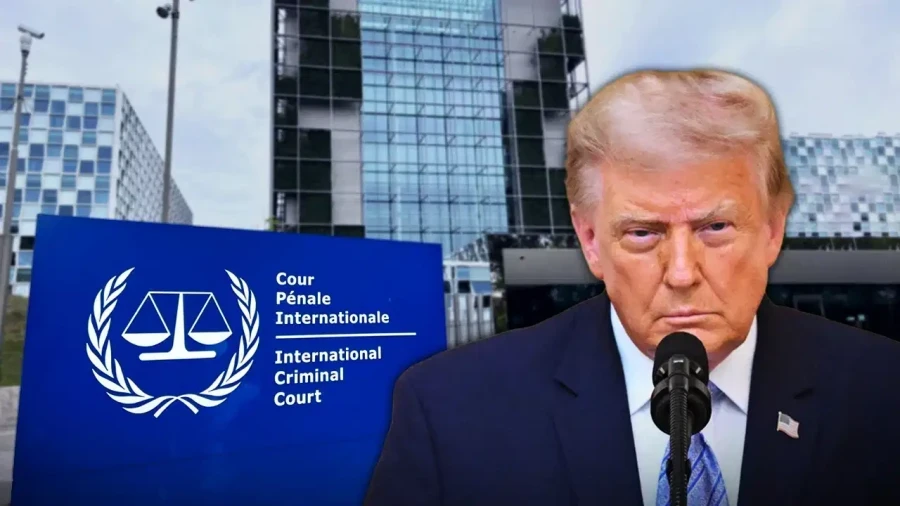
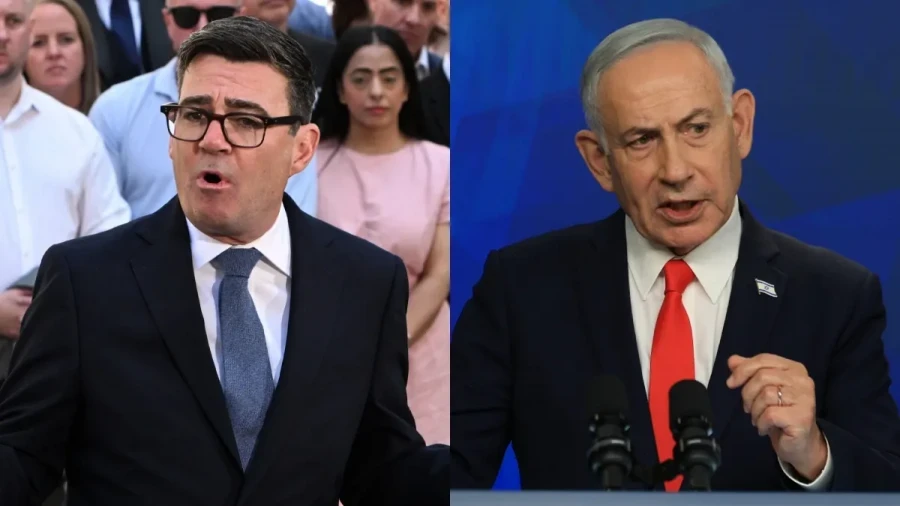
S. President Donald Trump announced his personal intervention in the matter. Through a post on his platform, Truth Social, Trump claimed that he successfully persuaded Israeli Prime Minister Benjamin Netanyahu to halt military strikes against Beirut. Trump stated that following their conversation, Netanyahu agreed to withdraw his troops from certain positions. This announcement came amidst reports of a sharp exchange between the two leaders, with Trump reportedly suggesting that Netanyahu's political and legal survival was linked to his intervention.
In his social media post, Trump addressed the Israeli Prime Minister by his popular nickname, stating that he spoke with Bibi Netanyahu and requested that no major attacks be carried out in Beirut. He expressed his gratitude to Netanyahu for complying with this request and withdrawing the military forces. This diplomatic breakthrough is viewed by many as a vital step toward a comprehensive peace and security agreement between the two neighboring nations.