

- India,
- 09-Apr-2026 10:55 PM IST


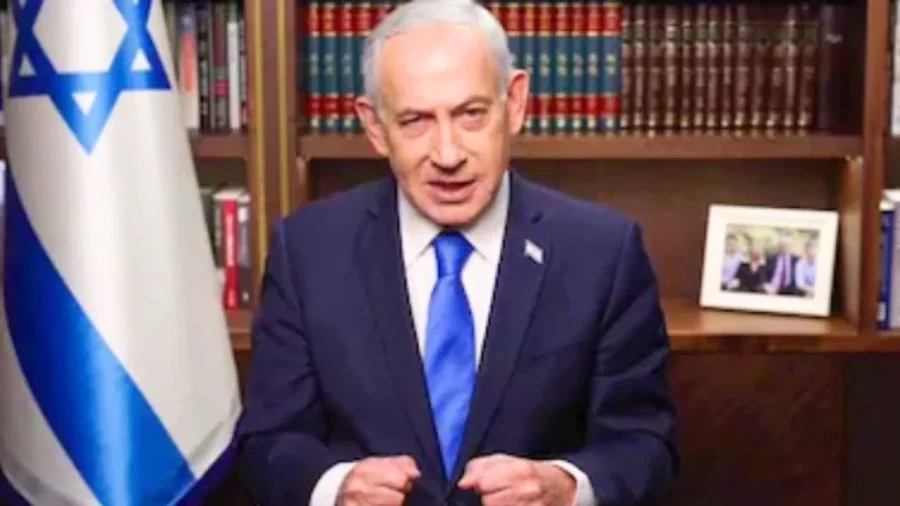
Israeli Prime Minister Benjamin Netanyahu has officially authorized the commencement of direct negotiations with Lebanon, marking a significant diplomatic shift amid regional instability. According to official statements, the decision follows repeated requests from the Lebanese side for a formal dialogue, while the primary objectives of these talks include the disarmament of Hezbollah and the establishment of a sustainable peace framework between the two nations.
Strategic Objectives and Hezbollah Disarmament
The Israeli administration has emphasized that the core focus of the upcoming negotiations will be the demilitarization of Hezbollah. Prime Minister Netanyahu welcomed the Lebanese Prime Minister's appeal to keep Beirut free of military presence. While the ceasefire remains fragile due to ongoing military activities, Israel maintains that direct communication is essential to address security concerns along the border. No immediate response has been issued by the Lebanese government regarding the formal start date of these talks.
Escalation in the Strait of Hormuz
The diplomatic move coincides with reports from Iranian state media indicating that naval mines have been deployed in the Strait of Hormuz, a critical global oil transit route. Tehran has effectively closed the waterway, prompting a sharp response from US President Donald Trump. The US administration has warned of severe military consequences if Iran fails to adhere to international agreements and continues to disrupt global maritime trade.
Challenges to the Fragile Ceasefire
Disagreements persist regarding the scope of the current ceasefire between Israel and Hezbollah, while recent airstrikes on Beirut have resulted in significant casualties, marking some of the deadliest days since the conflict intensified on 28 February. While Iran and the US have both claimed strategic victories following the ceasefire announcement, the situation on the ground remains volatile with both sides accusing each other of protocol violations.
Nuclear Stockpiles and Missile Capabilities
A central concern for international negotiators remains the status of Iran's enriched uranium stockpiles and its long-range missile program. Questions persist about when normal traffic will resume through the Strait of Hormuz and how Iran's support for regional armed groups will be curtailed. US Vice President JD Vance is expected to lead a delegation to Islamabad for potential talks with Iranian representatives, including Parliament Speaker Mohammad Bagher Qalibaf, to discuss these critical security issues.
Regional Security Outlook
Despite the contentious nature of the ceasefire, there has been a noticeable pause in missile and drone attacks from Iran toward its Gulf neighbors and Israel. No new strikes were reported as of Thursday. The Israeli leadership, however, has vowed to continue operations against Hezbollah targets if security threats persist, maintaining a stance of maximum pressure alongside the newly approved diplomatic channel.
