
- India,
- 21-Sep-2026 05:32 PM IST
- (Updated 21-Sep-2026 05:33 PM IST)



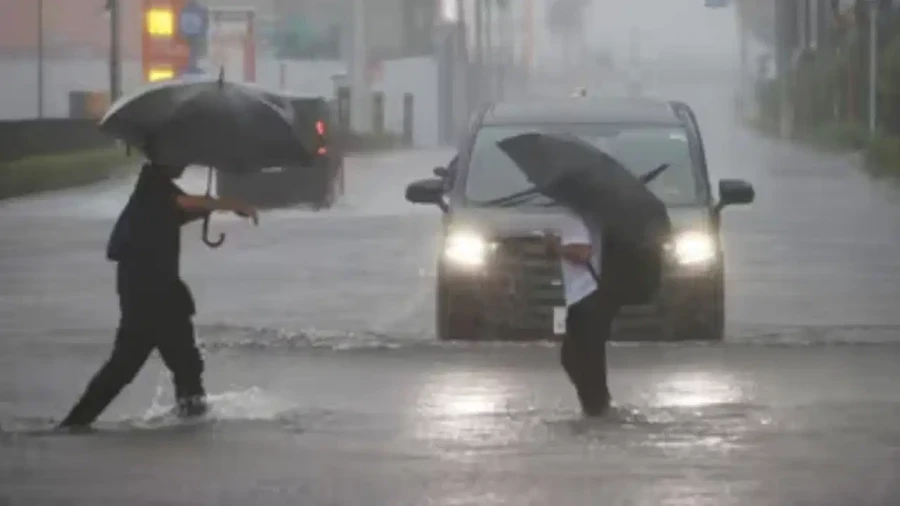
Japan is currently facing a severe weather crisis as Typhoon Dujuan advances towards the mainland, coinciding with the ongoing Asian Games. The approach of this powerful storm has led to the cancellation of more than 300 flights, causing significant disruption to travel and logistics across the country. In addition to the aviation crisis, the storm has knocked out power to over 9,000 homes in the vicinity of Tokyo, leaving thousands of residents in the dark as the nation braces for potential devastation. The situation is particularly critical as the country is hosting various international events, and the safety of millions is now a primary concern for the authorities.
Massive Disruptions in Transportation and Infrastructure
The impact on Japan's transportation sector has been immediate and widespread. Major carriers including Japan Airlines and All Nippon Airways have been forced to ground their fleets due to the hazardous conditions. Specifically, Japan Airlines has cancelled 135 flights, while All Nippon Airways has called off 140 scheduled services. This collective cancellation of over 300 flights has left many travelers stranded and has complicated the movement of athletes and officials involved in the Asian Games. The railway network has not been spared either; operators have suspended services on several lines in Tokyo and surrounding prefectures. Authorities have issued landslide warnings for Chiba, Kanagawa, and Shizuoka, leading to the strategic shutdown of train operations to ensure public safety.
Evacuation Advisories and Weather Warnings
According to reports from CNA, Typhoon Dujuan is moving steadily towards Tokyo, bringing with it the threat of record-breaking rainfall. The Japan Meteorological Agency (JMA) has warned that the total rainfall by Tuesday could exceed the average monthly rainfall for the entire month of September. Takuya Hosomi from the JMA stated that there is a significant risk that the rain will continue to intensify as the typhoon moves northward. 6 million people in the capital and surrounding areas. Over a million people have been specifically urged to move to safer locations as the risk of floods and landslides increases. When the typhoon passed near the city of Katsuura near Tokyo on Monday, wind speeds were recorded at approximately 144 kilometers per hour.
Impact on Asian Games and Public Events
The severe weather has directly affected the schedule of the Asian Games. Organizers were forced to postpone the equestrian competition in Aichi Prefecture, which was originally scheduled for Monday, moving it to Tuesday due to the approaching storm. The impact of Typhoon Dujuan extended to other major public events as well. The Tokyo Game Show, recognized as one of the world's largest video game trade fairs, had to close its doors earlier than planned on Monday. Also, a large-scale outdoor music festival in Chiba and a scheduled baseball match were both cancelled to prevent any risk to the public. Social media has been flooded with images showing the extent of the damage, including waterlogged streets in the Kamakura area. Takashi Matsuo, the Mayor of Kamakura, shared on X that many parts of the city are flooded, making car travel extremely dangerous.
Political and Personal Toll
The typhoon has even affected the highest levels of government. Prime Minister Sanae Takaichi, who was scheduled to depart for New York to attend the United Nations General Assembly, faced a four-hour delay in her departure. The government confirmed that her flight from Tokyo would now leave at 11:00 PM local time. On a more personal level, the storm has already caused physical and property damage, while reports indicate that one person has sustained minor injuries, and at least nine houses have been damaged by the fierce winds and rain. As the typhoon continues its path, the government remains on high alert, monitoring the situation closely to mitigate further risks to life and property.