

- India,
- 20-Mar-2026 05:05 PM IST


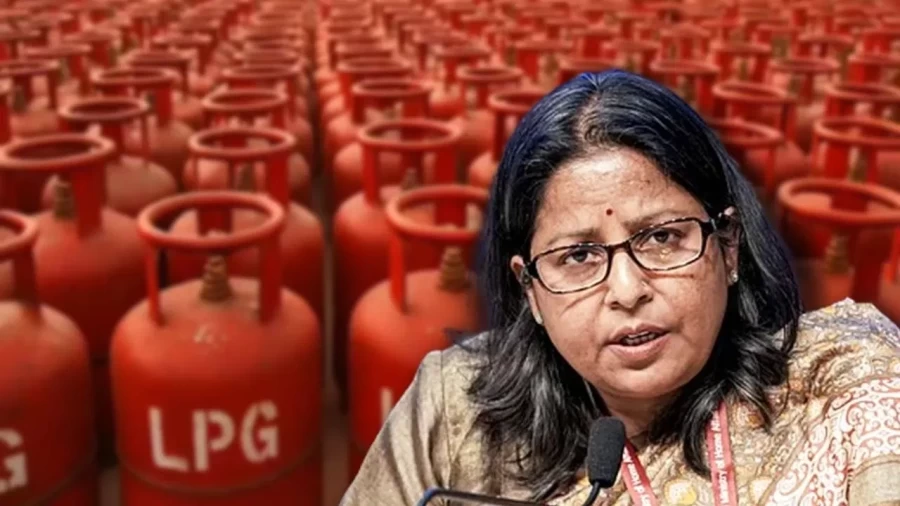
As the conflict between Israel and Iran enters its 20th day, the Indian government has issued a critical update regarding the nation's Liquefied Petroleum Gas (LPG) supply. Sujata Sharma, Joint Secretary at the Ministry of Petroleum and Natural Gas, stated that the LPG situation remains serious. According to official data, only 9 vessels carrying crude oil and gas have managed to pass through the strategic Strait of Hormuz over the past 20 days, leading to significant logistical challenges for imports.
The ministry emphasized that while efforts are being made to maintain a steady supply chain, the situation warrants caution, while the government has formally requested the public to explore alternative fuel options for cooking where possible. On top of that, citizens have been advised to refrain from panic buying or making multiple bookings, as such actions could exacerbate the current distribution pressures across the country.
Status of Domestic Supply and Panic Management
According to the Petroleum Ministry, the government is currently ensuring 100% LPG delivery to domestic consumers despite the external constraints. Officials noted a slight decline in panic-driven bookings recently, which has provided some relief to the distribution network. The government has urged citizens to ignore unverified rumors regarding a total stockout and has instructed distributors to prioritize genuine household requirements to maintain market stability.
Crackdown on Black Marketing and Hoarding
To prevent exploitation of the supply situation, the government has initiated a massive enforcement drive against hoarding and black marketing. Reports indicate that over 4500 raids have been conducted across various states to ensure that LPG cylinders reach consumers at regulated prices. Authorities have warned that strict legal action will be taken against any entities found involved in illegal stockpiling or selling cylinders at inflated rates during this period of crisis.
Boosting Domestic LPG Production
In a bid to reduce heavy reliance on imports during geopolitical instability, the government is focusing on enhancing domestic LPG output, while currently, domestic production accounts for approximately 40% of the total national consumption. The Ministry of Petroleum has directed domestic refineries to optimize their production cycles. This strategic shift aims to provide a buffer against international supply shocks and ensure long-term energy security for Indian households.
Safety of Indian Nationals and Diplomatic Outreach
The Ministry of External Affairs (MEA) has provided updates on the safety of Indian citizens in the Gulf region. Rakesh Sinha confirmed that 22 Indian vessels and their crew members are currently safe, though they remain stationary due to the prevailing tensions. MEA spokesperson Randhir Jaiswal highlighted that Prime Minister Narendra Modi has engaged in diplomatic discussions with leaders from Oman, Qatar, and French President Emmanuel Macron to seek a peaceful resolution to the regional conflict.
Casualties and Security Concerns in the Region
Additional Secretary Asim Mahajan reported that the ongoing conflict has resulted in the deaths of 6 Indian nationals so far. The most recent casualty occurred during an attack in Riyadh on 18 March. The Indian government is closely monitoring the security environment in the Middle East and is in constant communication with regional authorities to safeguard the interests and lives of the Indian diaspora working in the affected zones.
