
- India,
- 02-Jun-2026 08:23 AM IST



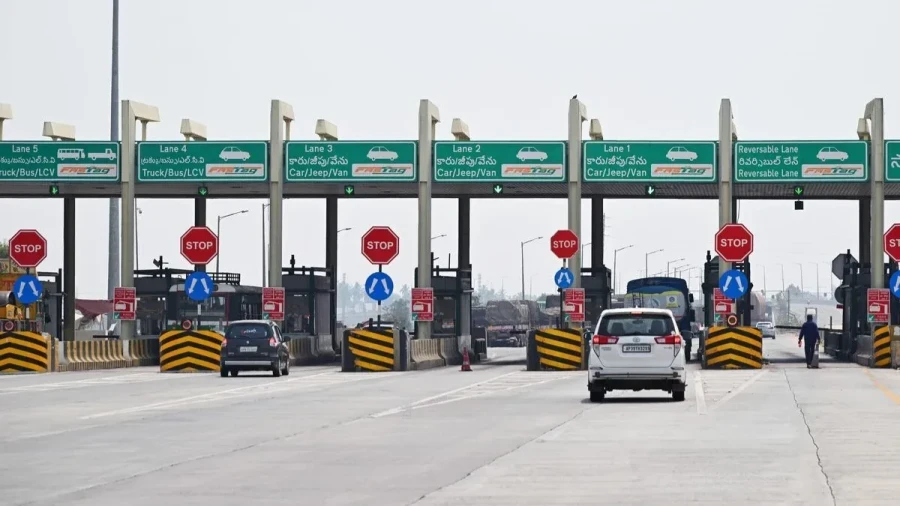
The landscape of travel on India's national highways is set for a significant transformation as the central government moves to curb the prevailing VIP culture. In a major policy shift, the government is actively considering a proposal to drastically reduce the number of vehicle categories currently exempt from paying toll tax. This initiative aims to bring more transparency to the toll collection system and bridge the gap between ordinary citizens and high-ranking officials. If the proposed changes are implemented, many government officials and individuals falling under various VIP categories will be required to pay toll charges during their highway journeys.
High Level Committee Recommendations
A high-level committee constituted by the central government has submitted a series of recommendations suggesting amendments to the National Highway Fee Rules. The primary focus of these suggestions is to limit the categories of toll exemptions. According to sources, the government is first looking at eliminating toll exemptions for vehicles associated with government officials. The underlying philosophy behind this move is the government's belief that the distinction between common citizens and special classes should be minimized on public infrastructure. Consequently, a phased plan is being developed to reduce the facility of free travel on highways across the country.
Introduction of Fastag Annual Pass
To facilitate a smoother transition and provide a cost-effective alternative, the government has recently introduced the Fastag Annual Pass. This pass is priced at 3075 rupees and allows a single vehicle to cross toll plazas up to 200 times within a year. When calculated on a per-trip basis, the cost of the toll comes down to approximately 15 rupees per journey. In light of the proposed rule changes, various government departments have been advised to reimburse the cost of these Fastag Annual Passes to their employees instead of providing them with blanket toll exemptions. This approach is expected to simplify the toll management system while Notably enhancing transparency in revenue collection.
Current Exemption Categories
Under the existing regulations, a wide array of individuals and vehicles are granted exemption from paying toll taxes. Currently, vehicles carrying people holding 25 different constitutional and public positions are exempt from these charges. Beyond these high-ranking officials, the list of exempted vehicles includes those belonging to the Indian Army, paramilitary forces, and the police. Also, essential services such as ambulances, fire brigades, funeral vehicles, and highway inspection teams are also not required to pay toll fees. However, it's important to note that even these exempted vehicles are currently mandated to use special exempted Fastags issued by the National Highways Authority of India (NHAI) to ensure proper tracking.
Rationale Behind the Proposed Changes
Experts in the infrastructure and transport sectors believe that these changes are a natural progression following the successful implementation of digital payments and the Fastag system. With the automation of toll recovery, the process has become Importantly more efficient, making it an opportune time to review the extensive list of exemptions. By reducing the number of free passes, the government not only aims to increase its revenue for further highway development but also intends to send a strong message of equality on the nation's highways. The move is seen as a step towards a more equitable system where the cost of maintaining world-class infrastructure is shared more broadly among its users.