
- India,
- 06-Aug-2026 08:08 AM IST



The ongoing conflict between Russia and Ukraine has taken a significant turn with the formal entry of North Korea into the theater of war. Reports indicate that North Korean leader Kim Jong Un has provided a substantial shipment of powerful ballistic missiles to Russian President Vladimir Putin. This development has triggered a sharp reaction from Ukraine, with President Volodymyr Zelenskyy raising serious allegations regarding the deepening military ties between Moscow and Pyongyang. The involvement of North Korea is seen as a major escalation in the defense relationship between the two nations, providing Russia with critical hardware to sustain its military operations.
Deployment Details and Missile Specifications
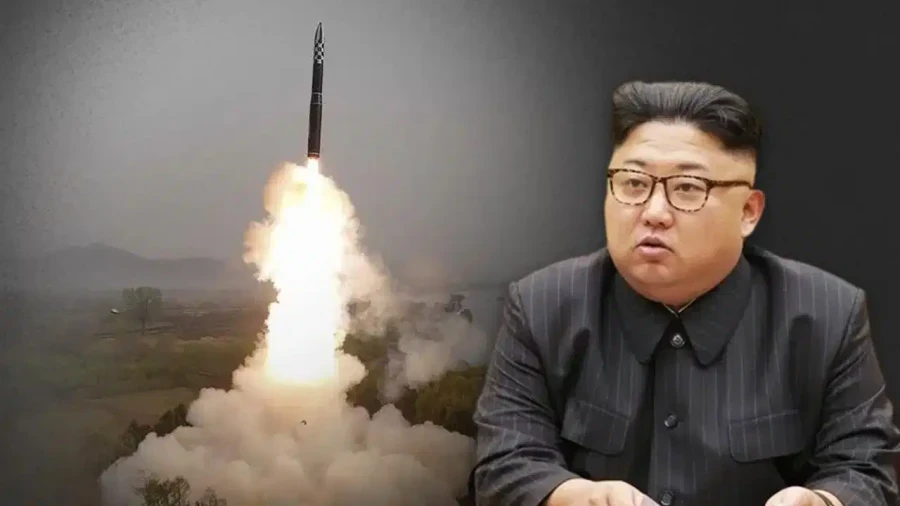
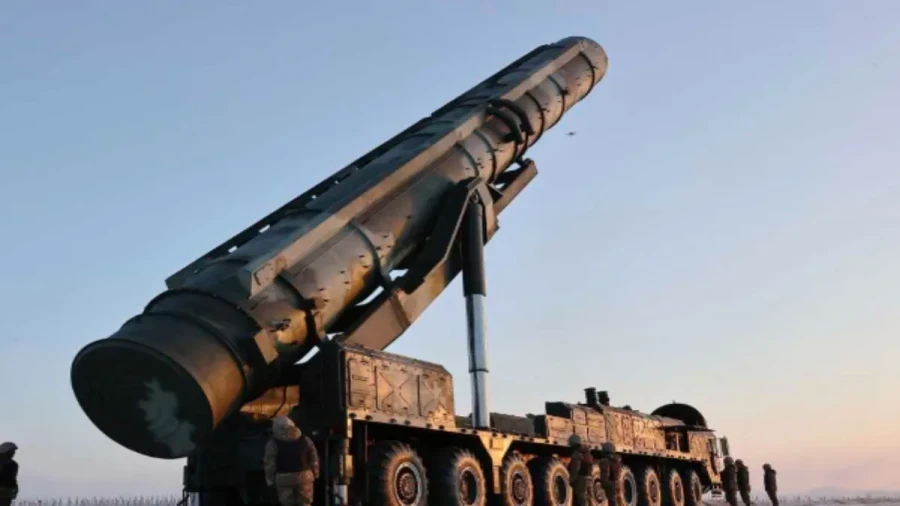
According to the Ukrainian military intelligence agency, known as HUR, the scale of North Korean support is extensive. The deployment includes approximately 90 North Korean personnel who are specialized in missile operations. These personnel are accompanied by 6 missile launchers and a total of 120 ballistic missiles. Among these, 40 are the newly supplied KN-23 and KN-24 ballistic missiles. These specific models have become a point of concern for Ukrainian defense forces due to their technical characteristics.
Ukrainian military officials have pointed out that the KN-23 and KN-24 missiles possess a range that exceeds that of Russia's own Iskander missiles. Also, these North Korean missiles are equipped with larger warheads, potentially increasing their destructive capability. However, the intelligence reports also highlight a significant drawback: these missiles suffer from low accuracy. This lack of precision has resulted in heavy damage to civilian areas during various attacks, leading to casualties among non-combatants. The use of such weaponry has intensified the humanitarian crisis in the region.
Ukraine's Defense Challenges
Ukraine has voiced its concerns regarding its ability to defend against these new threats. The country has stated that its stock of US-made Patriot interceptor missiles is running low, which is limiting its capacity to intercept and neutralize incoming ballistic missile attacks. This shortage comes at a time when Russia is intensifying its missile strikes across Ukraine, putting additional pressure on the nation's air defense systems. The combination of more powerful North Korean missiles and a dwindling supply of interceptors presents a critical challenge for the Ukrainian military.
Strengthening Ties Between Moscow and Pyongyang
The deployment of North Korean missiles is a clear indicator of the growing military cooperation between Moscow and Pyongyang. This partnership has strengthened Importantly since Russia launched its large-scale invasion of Ukraine in February 2022. A pivotal moment in this relationship occurred in June 2024, when President Vladimir Putin visited Pyongyang. During this visit, Putin and Kim Jong Un signed a Comprehensive Strategic Partnership Treaty. This agreement commits both nations to provide immediate military and other forms of assistance to each other in the event that either country faces an armed attack.
Massive Supply of Ammunition
The support from North Korea extends beyond ballistic missiles to include vast quantities of artillery ammunition. South Korea's Ministry of Defense reported that by February 2024, North Korea had sent approximately 6700 containers filled with ammunition to Russia. These containers were estimated to hold over 3 million 152mm artillery shells, about 500000 122mm rounds, or a combination of both. A subsequent report published in April 2025 indicated that this military support has increased substantially. Between September 2023 and March 2025, four Russian cargo ships made 64 trips between North Korea and Russia, delivering an estimated 4 million to 6 million artillery shells.
Direct Military Participation
In a significant admission in April 2025, North Korea publicly acknowledged for the first time that it had deployed troops to fight alongside the Russian military under the terms of the Comprehensive Strategic Partnership Treaty. State media reported that Kim Jong Un had personally approved this deployment. North Korean soldiers have reportedly participated in military operations in Russia's Kursk region. Russia has also publicly confirmed the participation of North Korean troops in the fighting, marking a new phase of international involvement in the conflict.