
- India,
- 07-Aug-2026 03:48 PM IST



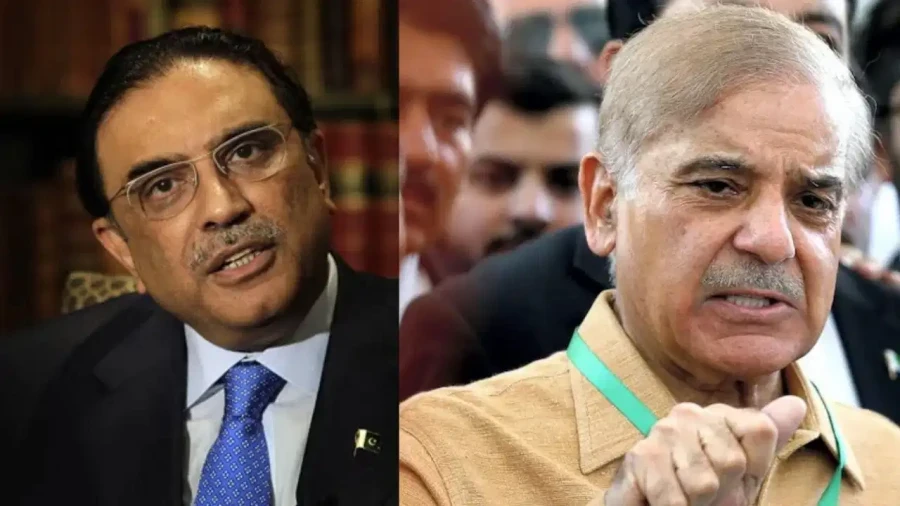
A significant constitutional standoff has emerged in Pakistan between President Asif Ali Zardari and the federal government regarding the appointment of High Court judges. According to reports from Dawn, the government is contemplating the issuance of a notification for judge appointments without the formal approval of the President. This development comes after the Judicial Commission of Pakistan (JCP) recommended the appointment of 19 additional judges in July, a proposal that has yet to receive the President's signature, leading to a deadlock between the two highest offices of the state.
The Judicial Commission Recommendations
In July, the Judicial Commission of Pakistan held crucial meetings on July 20 and July 21 to discuss the judicial vacancies and requirements across various high courts. During these sessions, the commission recommended the appointment of 19 additional judges to the High Courts. The recommendations specifically included the confirmation of four additional judges from the Peshawar High Court and one additional judge from the Lahore High Court. Also, the commission decided to grant an extension to the tenure of one judge from the Sindh High Court. Despite these clear recommendations from the JCP, President Zardari has not yet approved the summary, which has effectively prevented the Ministry of Law from issuing the necessary notifications to formalize these appointments.
Constitutional Provisions and the Two-Week Deadline
Government sources have pointed towards Article 48(1) of the Constitution of Pakistan as a potential legal solution to this impasse. Under this constitutional provision, the President is expected to act on a summary or proposal sent by the Prime Minister within two weeks of receiving it. Since the stipulated time frame of 15 days has already elapsed without any formal action from the President's office, the federal government believes it has the constitutional authority to proceed with the notification independently. However, sources within the President's House have issued warnings, suggesting that bypassing the established procedural norms could ignite a fresh political and legal crisis. They've emphasized that such sensitive matters should ideally be resolved through direct dialogue and consultation between the President and the Prime Minister.
Impact of the Delay on the Judiciary
The consequences of this administrative delay are already being felt within the Pakistani judicial system, leading to vacancies in key positions, while in the Peshawar High Court, four additional judges were forced to relinquish their positions on August 4 after their terms expired without the necessary renewal or confirmation. Similarly, a judge from the Sindh High Court was relieved of his duties on July 29 due to the same lack of notification. These vacancies are putting additional pressure on an already burdened legal system. Federal Law Minister Aqeel Malik has addressed the situation, stating that the government intends to resolve the matter strictly within the constitutional framework to ensure the smooth functioning of the courts and the rule of law.
Legal Challenges and the 48-Hour Window
The delay has also prompted legal action in the form of a writ petition filed in the Islamabad High Court. The petition was filed by lawyer Luqman Zafar Chaudhary through his counsel, Zahid Asif Chaudhary. The petition seeks a court directive to the President, urging him to approve the summary sent by the Prime Minister for the judicial appointments recommended by the JCP. Justice Arbab Muhammad Tahir presided over the hearing on Thursday and has reserved the verdict on the matter. During the proceedings, the petitioner's counsel argued that more than 15 days have passed since the JCP's recommendations on July 20 and 21, yet the President has not formally sanctioned the summary. The counsel further informed the court that according to various reports, the government might issue the notification for the appointments within the next 48 hours to resolve the crisis.