
- India,
- 21-Jun-2026 09:26 PM IST



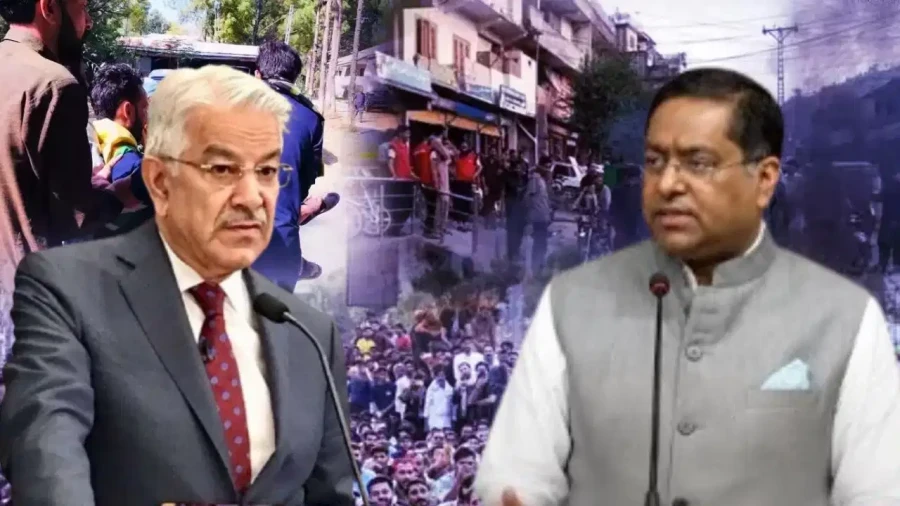
Pakistan's Defense Minister Khawaja Asif has issued a provocative warning to India, suggesting that Islamabad could resort to military action if its water security is compromised. This statement comes at a time when Pakistan is grappling with a severe and worsening water crisis, while the tension between the two nuclear-armed neighbors has escalated Notably since New Delhi suspended the long-standing Indus Water Treaty over a year ago. This suspension was a direct response to the Pakistan-backed terror attack in Pahalgam, Jammu and Kashmir, which resulted in the loss of 26 lives.
In an interview with ARY News, Khawaja Asif stated, "The moment we feel that water is part of our national security and is under threat, we will wage war against India. " He further elaborated that if there is concrete evidence that India is moving at a "dangerous speed" toward obstructing the water supply, the option of war would be seriously considered by the Pakistani administration.
The Context of Indus Water Treaty Suspension
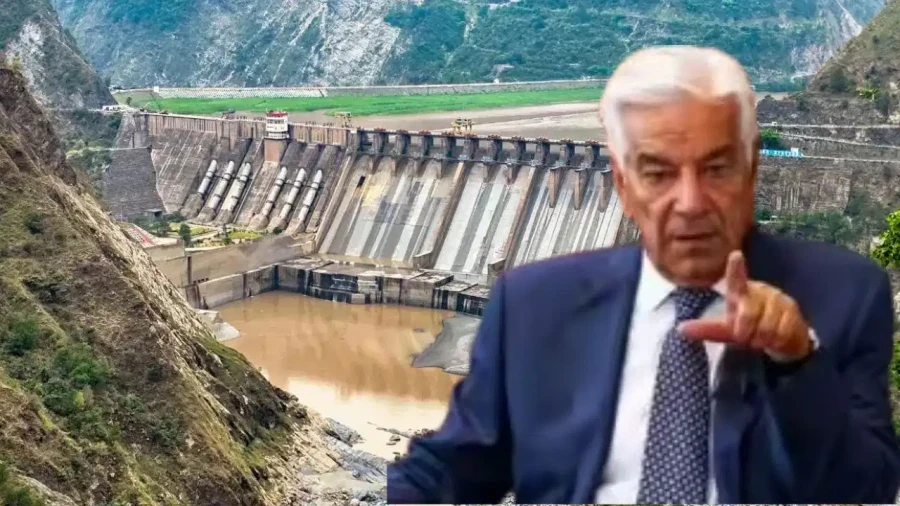
The Defense Minister's remarks follow a video clip of India's Jal Shakti Minister, CR Patil, who reportedly claimed that the flow of Indus River water to Pakistan could be completely stopped by June 2028. The friction over the Indus Water Treaty intensified following the deadly attack in Pahalgam. In the aftermath of this incident, India decided to suspend the 1960 treaty, asserting that the decision would remain in effect until Pakistan ceases its funding of cross-border terrorism.
The Indus Water Treaty, which was brokered by the World Bank, is a crucial agreement for Pakistan. Under its terms, Pakistan is allocated approximately 80 percent of the Indus Water Basin. This water is the lifeblood of the country's economy, supporting up to 80 percent of its agricultural land. Asif has accused India of weaponizing water, manipulating the flow of the Chenab River, and withholding essential hydrological data that's vital for water management and flood forecasting.
Severe Water Crisis and Internal Turmoil in Pakistan
While threatening India, Pakistan is simultaneously dealing with a massive internal water shortage. Approximately one-third of the country's population, particularly in the provinces of Sindh and Balochistan, is facing a dire scarcity of water. Data from the Sindh Irrigation Department highlights the gravity of the situation. 1 percent. Similarly, the Rice Canal and the Dadu Canal have reported consecutive shortages of 38 percent and 82 percent, respectively.
The crisis has also sparked internal conflicts between Pakistan's provinces. Officials in Sindh have accused the upstream province of Punjab of illegally withdrawing water. While the approved allocation for Punjab is 44,000 cusecs, Sindh officials claim that Punjab is drawing 53,394 cusecs, which is an excess of more than 21 percent. As the downstream water flow continues to dwindle, local leaders in Pakistan have raised alarms about a potential economic genocide, while the disputes over water distribution are intensifying across state borders, adding another layer of instability to the country's already fragile situation. Khawaja Asif mentioned that in the past, Pakistan had monitored Indian projects through physical inspections under the treaty, claiming that Pakistani teams had conducted about 115 such inspections. However, he admitted to not having the latest information regarding the developments of the past year.