
- India,
- 04-Jun-2026 07:28 PM IST



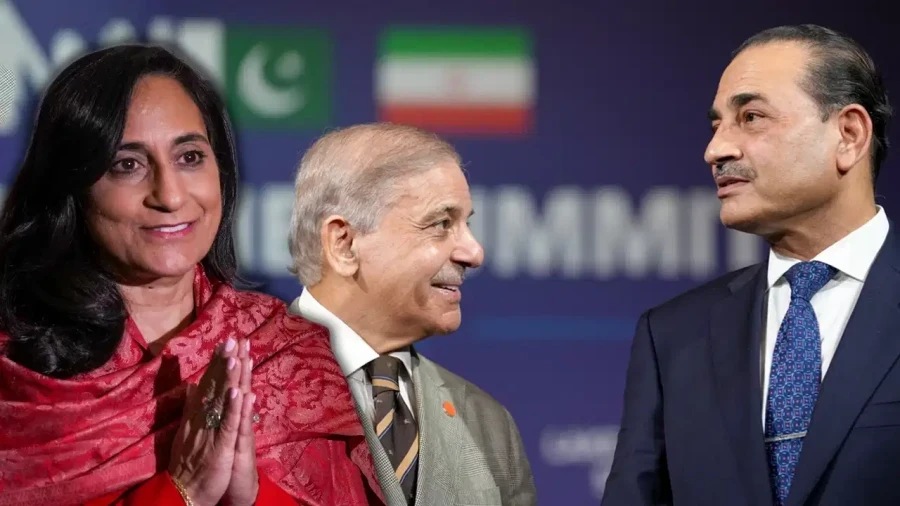
Pakistan's Foreign Minister Ishaq Dar has found himself at the center of a major international controversy following allegations that he shared sensitive information regarding Iran's nuclear program with the United States. These claims suggest that Dar provided intelligence to US Secretary of State Marco Rubio during a recent meeting, a move that has sparked intense debate in diplomatic circles. While the Pakistani government has officially dismissed these reports as baseless, the allegations have raised questions about the trust between the neighboring nations, especially given Pakistan's role as a mediator.
The Allegations by Larry Johnson
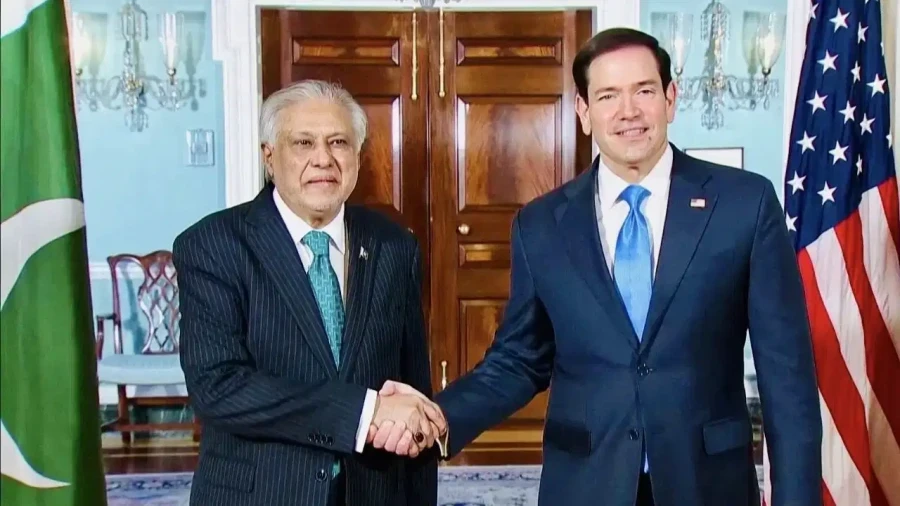
The controversy gained momentum after Larry Johnson, a former analyst for the Central Intelligence Agency (CIA), cited intelligence sources to claim that Ishaq Dar had leaked critical details. According to Johnson, the disclosure occurred during a meeting between Dar and Marco Rubio last week. The former analyst suggested that the information shared was so significant that it left the US Secretary of State stunned, while the core of the allegation is that Dar informed Rubio about Iran's specific intentions and the current status of its nuclear capabilities.
Johnson further elaborated that during the discussion, Dar reportedly warned the United States that Iran could successfully develop nuclear weapons if a diplomatic agreement isn't reached soon. This claim was significant enough to be discussed within the halls of the US Congress, highlighting the potential impact of such a revelation on international relations and regional security.
Technical Details of Iran's Nuclear Program
The context of these allegations is framed by the current technical status of Iran's nuclear activities as reported by the International Atomic Energy Agency (IAEA). According to the agency, Iran currently possesses 440 kilograms of uranium. This stockpile is enriched to a level of 60 percent. Experts and international monitors note that if this uranium is further enriched to 90 percent, it can be easily utilized to manufacture nuclear weapons. The proximity to this threshold is what makes any intelligence regarding Iran's intentions highly sensitive.
Political Implications and Trump's Stance
The possibility of Iran acquiring nuclear weapons has been a major point of concern for US leadership. Former US President Donald Trump has expressed strong views on this matter, stating that if Iran obtains nuclear weapons, it would pose an existential threat to Israel, while trump has argued that Iran would likely target Israel first, making the prevention of a nuclear-armed Iran a top priority for US foreign policy. These geopolitical stakes add weight to the accusations against Ishaq Dar.
Official Denials from Washington and Islamabad
Despite the gravity of the claims, both the United States and Pakistan have moved to deny the reports. On June 2, during a session in the US Congress, Representative Scott Perry questioned Marco Rubio about the alleged information leak. Rubio responded by stating that he had no knowledge of such a development and had not heard any such information from the Pakistani Foreign Minister. Rubio further remarked that, to his knowledge, Iran isn't currently in a position to build nuclear weapons.
Following this, on June 4, the Pakistan Foreign Ministry issued a formal clarification. A spokesperson for the ministry stated that during the meeting between Ishaq Dar and Marco Rubio, no discussions took place regarding Iran's nuclear program. The ministry emphasized that the reports were inaccurate. Meanwhile, Iran has maintained silence on the matter and has not issued any official comments regarding the allegations against the Pakistani Foreign Minister.
Pakistan's Role as a Mediator
The sensitivity of these allegations is heightened by the fact that Pakistan has been acting as a mediator in the ongoing nuclear negotiations between Iran and the United States, while as a country that shares a border with Iran and maintains a strategic partnership with the US, Pakistan's position is delicate. Any perception of betrayal or the leaking of secrets could undermine its diplomatic standing and its ability to facilitate dialogue between the two adversarial nations.