

- India,
- 22-Dec-2025 02:02 PM IST


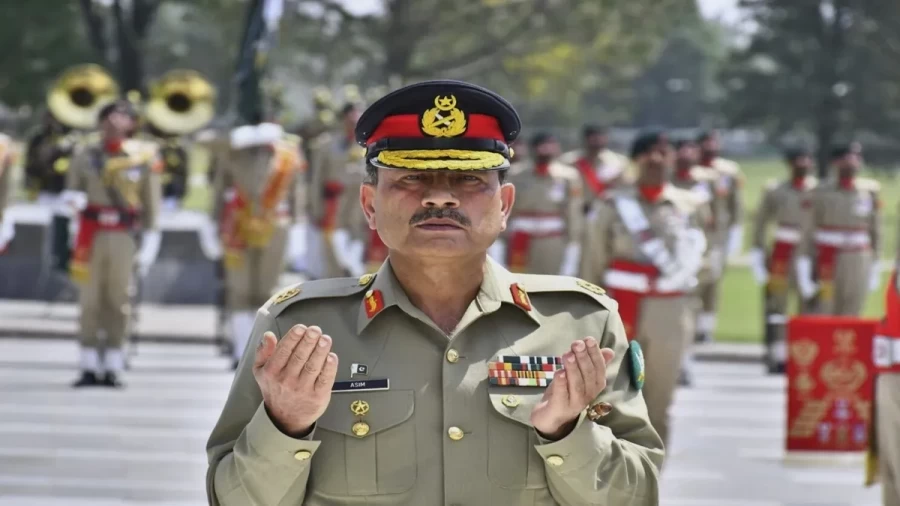
Field Marshal Asim Munir, the Chief of Pakistan's Defence Forces, has ignited a fresh wave of. Discussion with his recent assertion of receiving 'Allah's help' during a military confrontation with India in May. Addressing the National Ulema Conference in Islamabad, Munir stated that Pakistan experienced profound "spiritual help" during the intense days of fighting that followed Indian attacks. This unusual declaration from a top military official has drawn considerable attention, particularly given the sensitive nature of India-Pakistan relations and the specific conflict he referenced, suggesting a narrative aimed at bolstering morale and framing the conflict within a broader religious context for a specific audience.
Operation Sindoor: The Context of Conflict
The military confrontation Munir referred to was directly triggered by India's launch of 'Operation Sindoor' on May 7. This operation was initiated by India as a direct and forceful retaliation for a devastating terrorist attack that occurred in Pahalgam, which tragically resulted in the deaths of 26 innocent civilians, while the stated primary objective of Operation Sindoor was to target and neutralize terrorist bases believed to be located within Pakistani territory. The period immediately following the launch of Operation Sindoor saw fierce clashes and intense exchanges between the armed forces. Of both nations, creating a highly volatile and tense situation along the border, with both sides reporting significant engagements.
Experiencing 'Spiritual Help' Amidst Battle
During his televised speech on Sunday, Munir explicitly stated, "We felt it (spiritual help), while " He elaborated that this divine assistance was palpable and deeply felt during the days of severe fighting that ensued after India's offensive. Such a pronouncement from a high-ranking military leader, attributing battlefield outcomes to supernatural intervention, is highly unconventional in modern military discourse and has led to various interpretations and reactions both domestically and internationally. It suggests an attempt to rally support and instill a sense of. Divine backing for the nation's defense efforts among a religiously inclined populace.
Pakistan's Unique Position in the Islamic World
Custodianship of Holy Sites
Beyond the immediate military conflict, Munir's address also delved into Pakistan's perceived special status within the global Islamic community. He drew a significant parallel between contemporary Pakistan and the early Islamic state established by the Prophet in the Arab region approximately 1,400 years ago. Citing numerous verses from the Quran, Munir emphasized what he described as Pakistan's unique and elevated position among Islamic nations. He highlighted that while there are 57 Islamic countries worldwide, Pakistan, in his view, has been bestowed with an unparalleled honor by Allah, underscoring its spiritual significance and role. A significant part of Munir's speech focused on the sacred sites of Makkah and Madinah. He claimed that among all Islamic nations, "Allah has given us the honor of being the custodian of Haramain Sharifain. " This assertion, positioning Pakistan as a guardian of Islam's holiest places, is a. Powerful statement intended to resonate deeply with a religious audience and underscore Pakistan's spiritual significance. Such claims often carry considerable weight in the Islamic world and can be interpreted as an attempt to elevate Pakistan's standing and influence among Muslim-majority countries, potentially challenging existing narratives of custodianship.
Addressing Western Border Security Concerns
Munir also turned his attention to Pakistan's western border, specifically addressing the ongoing security challenges posed by Afghanistan. He issued a stern message to the Taliban government in Afghanistan, demanding that. They make a clear choice between supporting Pakistan or the Tehrik-i-Taliban Pakistan (TTP). Munir alleged that a significant majority, specifically 70 percent, of the TTP factions infiltrating Pakistan are composed of Afghan citizens. This accusation highlights the deep-seated tensions and cross-border issues that continue to plague the region, with Pakistan holding Afghanistan responsible for harboring militants and demanding decisive action against them.
The State's Sole Authority on Jihad
In a crucial theological and political statement, Munir asserted that in an Islamic state, only the state itself possesses the legitimate authority to declare Jihad. This declaration is particularly significant in the context of various non-state actors and militant groups operating under the banner of Jihad. By emphasizing the state's exclusive right, Munir aimed to delegitimize independent militant actions and reinforce the government's control over religious warfare, aligning with the official narrative that only the state can sanction such actions. This stance seeks to curb the influence of extremist groups who often. Declare 'Jihad' independently, posing a threat to state authority and regional stability.
