
- India,
- 02-Jun-2026 05:27 PM IST



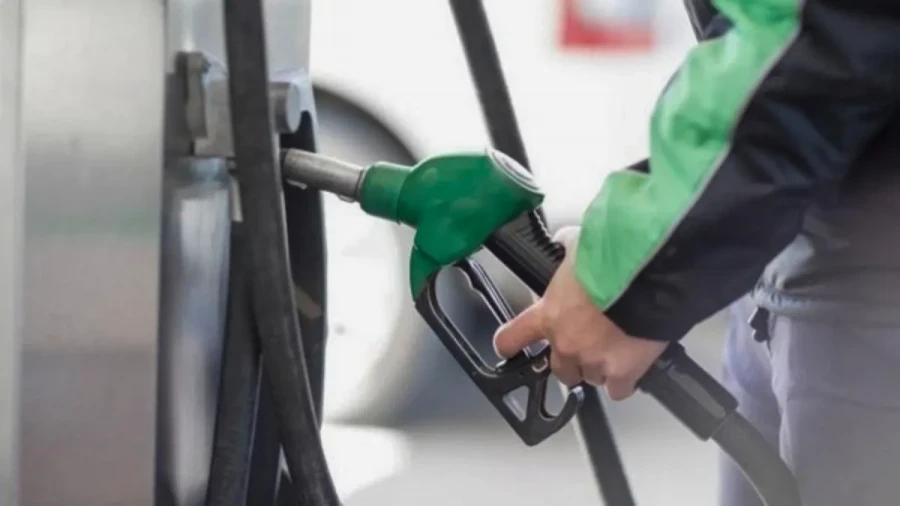
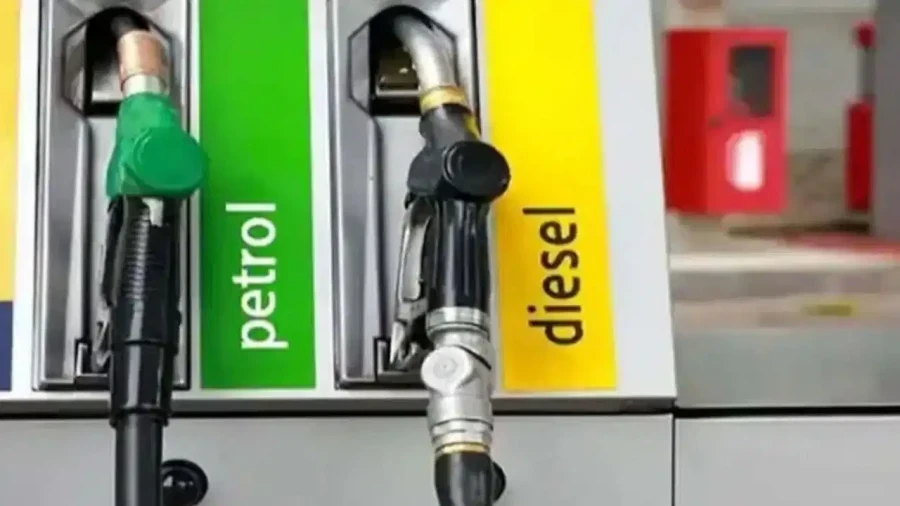
The Indian economy is bracing for a potential surge in inflationary pressures as petrol and diesel prices are expected to climb further. According to a recent report released by the rating agency CRISIL on Tuesday, the rising costs of fuel are likely to increase transportation and manufacturing expenses in the coming months. This trend is anticipated to make everyday consumption items Importantly more expensive for the general public. 5 rupees per liter. If international crude oil prices remain at their current elevated levels, this hike could potentially reach 10 rupees per liter in the near future.
Impact on Transportation and Logistics
The CRISIL report emphasizes that the primary channel through which fuel price hikes affect the economy is the increase in freight and transportation costs. In India, the road transport sector is particularly vulnerable because fuel accounts for nearly 42 percent of its total operating costs. Given that approximately 71 percent of all freight movement in the country occurs via road networks, any fluctuation in diesel prices has a direct and widespread impact on the cost of moving goods. As transportation becomes more expensive, the prices of essential commodities and other consumer goods are forced upward, creating a ripple effect across the supply chain.
Rising Costs of Essential Commodities
The increase in freight costs is expected to hit the food sector hard. CRISIL points out that products such as milk, fruits, pulses, tea, coffee, spices, eggs, meat, and fish are heavily dependent on extensive transportation networks. As the cost of moving these perishable and essential items rises, their retail prices are likely to see a significant jump. Beyond food, other industrial sectors are also under threat. The report identifies textiles, consumer electronics, wood products, cement, and ceramics as areas where production and distribution costs will rise. Plus, the chemicals, coal, and metal sectors are also expected to be gripped by this inflationary trend.
Inflationary Projections and Corporate Response
The direct impact of fuel price hikes on retail inflation is quantifiable. 36 percent in retail inflation. 48 percent. In such a scenario, companies may be forced to pass on the increased costs to consumers or resort to cutting the quantity of products to maintain margins. While the reduction in GST rates in September 2025 might provide some relief, the report suggests it won't be enough to fully offset the impact of high energy costs. Currently, crude oil prices have averaged 112 dollars per barrel in the first two months of the fiscal year, which is Notably higher than the initial estimate of 95 dollars per barrel.
RBI Monitoring and Weather Risks
Although overall inflation currently remains below the Reserve Bank of India (RBI) target of 4 percent, it's projected to rise in the future. However, it's expected to stay within the RBI's tolerance band of 2 to 6 percent. The central bank is closely monitoring inflation trends, particularly domestic expectations and the risks of broad-based price increases. Also, the report notes that the RBI will keep a watchful eye on weather-related conditions such as a weak monsoon and El Nino, which have the potential to further drive up food inflation and complicate the economic outlook.