
- India,
- 02-Jul-2026 02:22 PM IST



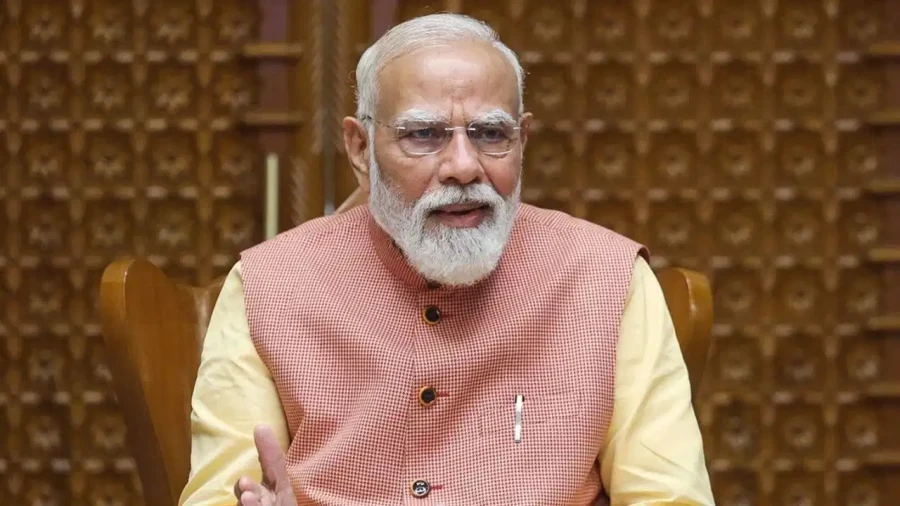
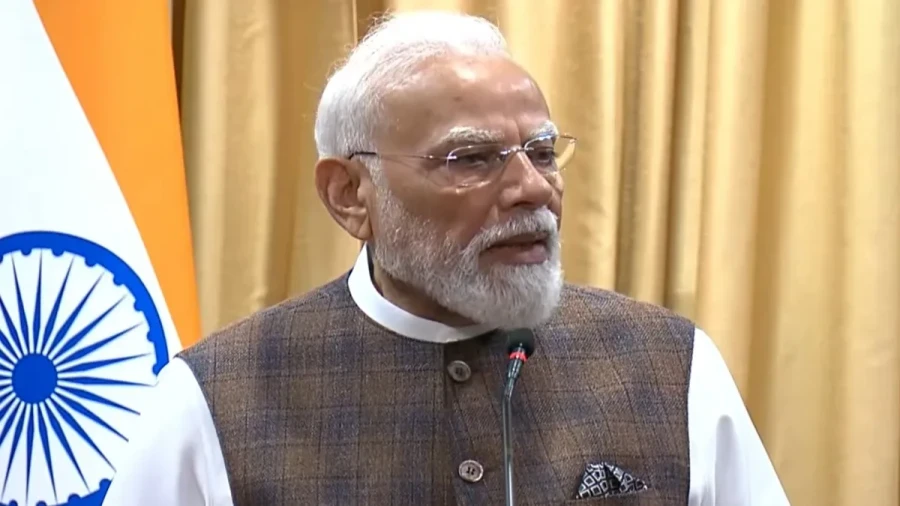
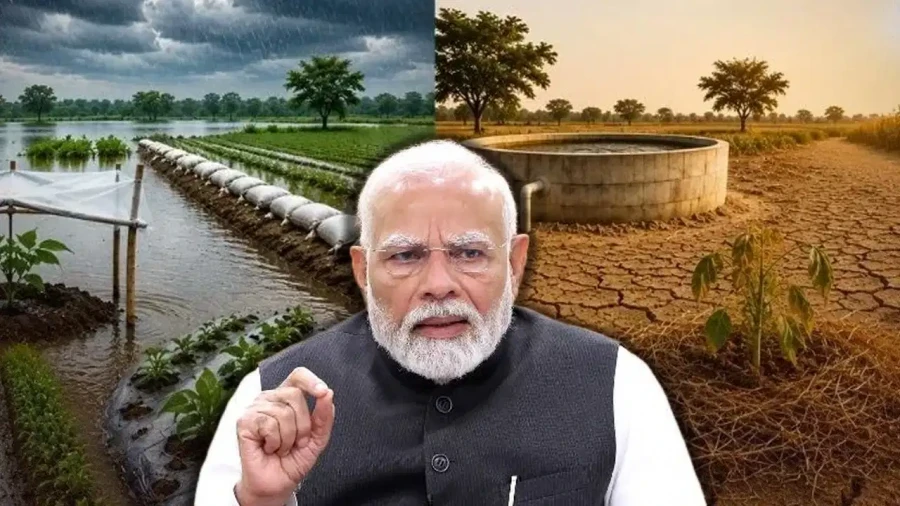
The central government has taken a proactive stance to mitigate the potential adverse effects of a sluggish monsoon season. Prime Minister Narendra Modi, during a recent cabinet meeting held on Wednesday, expressed concern over the slow progress of rainfall and issued specific directives to various ministries to prepare for any exigency. The primary driver behind this climatic shift is the El Nino phenomenon, which has Importantly impacted the precipitation patterns across the Indian subcontinent this year. The government is closely monitoring the situation to ensure that the agricultural sector and rural economy remain resilient despite these weather-related challenges.
Unprecedented Rainfall Deficit in June
According to the latest data from the Meteorological Department, the month of June has recorded the lowest rainfall in the last 12 years. The statistics reveal a staggering 43 percent deficit compared to the long-period average. This shortfall has raised alarms within the administration, especially since the forecast for July also suggests that rainfall might remain below the average levels. Such a trend poses a direct threat to the agricultural cycle, crop sowing, and the overall economic stability of rural regions. The Prime Minister has emphasized the need for immediate action to prevent any long-term damage to the food supply chain.
Inter-Ministerial Coordination and Directives
Recognizing the gravity of the situation, Prime Minister Modi has instructed ten key ministries and departments to remain on high alert and prepare comprehensive action plans. The ministries tasked with formulating and executing the contingency plan include Agriculture, Food, Rural Development, Panchayati Raj, Power, Jal Shakti, Animal Husbandry, Dairy, Home, and Finance. These departments are required to coordinate their efforts to ensure that the impact on food security, water availability, and rural livelihoods is minimized, while each ministry has been asked to identify potential bottlenecks and implement solutions to support the affected populations.
Geographic Impact: 12 States Under Watch
The weak monsoon has created significant challenges in 315 districts across the country. The Agriculture Minister has highlighted that 111 of these districts are particularly vulnerable, as their irrigation availability is currently less than 25 percent. The 12 states that are most affected by this monsoon deficit include Madhya Pradesh, Maharashtra, Gujarat, Uttar Pradesh, Rajasthan, Karnataka, Bihar, Jharkhand, Telangana, Andhra Pradesh, Odisha, and Tamil Nadu. The government is closely monitoring these regions to provide necessary support to farmers and local administrations, ensuring that resources are allocated where they're needed most.
Boosting Rural Employment and Wage Rates
To support the rural population during this period of agricultural uncertainty, the government is considering an increase in the budget for the VB G Ram Ji (Rural Employment Mission), while the current budget stands at 95000 crore. Under this mission, which saw new wage rates implemented from July 1, the daily wages range from 300 to 409 rupees. In certain panchayats of Sikkim, a special wage rate of 450 rupees has been established. The plan is to provide more employment opportunities in rural areas to offset the loss of agricultural work caused by the weak monsoon, thereby maintaining the purchasing power of the rural workforce.
Energy Security and Water Management
Another critical area of focus is the water level in reservoirs across the country, while the government is keeping a vigilant eye on these levels, as they're crucial for both irrigation and hydroelectric power generation. A drop in water levels could lead to a reduction in electricity production, potentially affecting industrial and domestic supply. To counter this, the Ministry of Power is preparing to take advantage of alternative sources for electricity generation to ensure that the national grid remains stable despite the monsoon's performance, while the Jal Shakti ministry is also working on water conservation strategies to manage the available resources efficiently.