
- India,
- 06-Aug-2026 08:23 AM IST



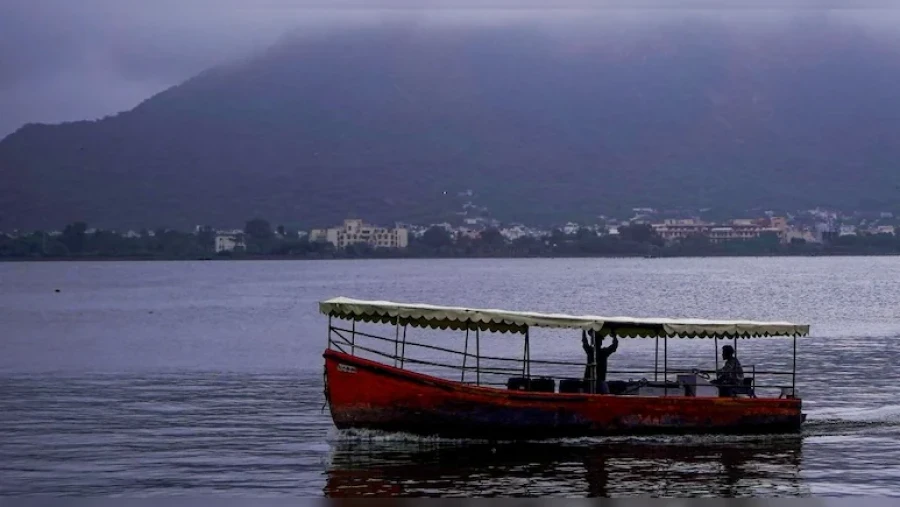
The state of Rajasthan is currently witnessing a persistent spell of monsoon activities as the Meteorological Department has issued a significant weather warning for the coming days. According to the latest updates from the weather office, a yellow alert for heavy rainfall has been issued for 26 districts across the state on Thursday. This alert comes as part of a broader weather pattern that suggests the monsoon will remain highly active throughout Rajasthan until at least August 10. Residents and authorities in the identified regions have been advised to stay vigilant as the intensity of the rain is expected to fluctuate but remain significant over the next 72 hours.
New Spell of Heavy Rain in Key Divisions
Meteorological experts have predicted that a fresh and more intense round of heavy rainfall is set to commence from August 7. This new weather system is expected to primarily impact the Udaipur, Kota, and Bharatpur divisions. These areas are likely to see a surge in precipitation levels, which could lead to localized flooding and waterlogging in low-lying regions. The department has emphasized that the monsoon will maintain its grip on the entire state, ensuring that most districts receive varying degrees of rainfall during this period. The active phase of the monsoon is projected to continue without much respite until the end of the first decade of August.
Rainfall Observations in Jaipur and Bharatpur
Recent data indicates that the Jaipur and Bharatpur divisions have already experienced substantial rainfall. On Wednesday, several districts within these divisions recorded impressive precipitation levels, with some areas receiving as much as 3 inches of water. This heavy downpour has contributed Importantly to the local water tables but has also caused temporary disruptions, while in contrast, the northern parts of the state, specifically in some areas of Hanumangarh and Sriganganagar, witnessed light to moderate rainfall, providing some relief from the heat but not reaching the intensity seen in the eastern and central divisions.
Impact of Heavy Rain and Waterlogging
The impact of the heavy rains has been most visible in the Alwar district. Over the last 24 hours, Govindgarh in Alwar recorded the highest rainfall in the state, measuring 72 millimeters. This intense burst of rain led to severe waterlogging in Alwar city and its surrounding areas, while major roads and markets were submerged under water, causing significant challenges for commuters and local businesses. Apart from Alwar, other regions such as Sawai Madhopur, Karauli, Bharatpur, Deeg, Dausa, and Jaipur also reported good rainfall. Meanwhile, lighter showers were recorded in Jaipur, Kota, Rajsamand, Tonk, Hanumangarh, Chittorgarh, Bhilwara, Bundi, and Baran, indicating the widespread nature of the current monsoon system.
Meteorological Systems and Trough Line
Radheshyam Sharma, the Director of the Meteorological Center in Jaipur, has provided insights into the atmospheric conditions driving this weather. Currently, a cyclonic circulation is positioned over the north-western parts of Uttar Pradesh, while simultaneously, the monsoon trough line is passing through Sriganganagar, Rohtak, and Gaya. The interaction of these meteorological systems is the primary reason for the sustained rainfall across Rajasthan. These systems are expected to keep the weather volatile and conducive for rain for at least the next three days, ensuring that the monsoon remains active across the geographical extent of the state.
Status of Water Resources and Dams
Despite the recent heavy spells, the overall rainfall statistics for the season reveal a concerning trend. So far, Rajasthan has recorded 17 percent less rainfall than the seasonal average. This deficit is clearly reflected in the state's water storage levels. Out of the 693 small and large dams in the state, only 15 are currently filled to their full capacity. The data further shows that 245 dams remain completely empty, while 433 dams have only partial water levels. This situation highlights the critical need for the ongoing monsoon spell to be productive enough to replenish these vital water resources before the season concludes.