
- India,
- 19-Jun-2026 11:46 AM IST



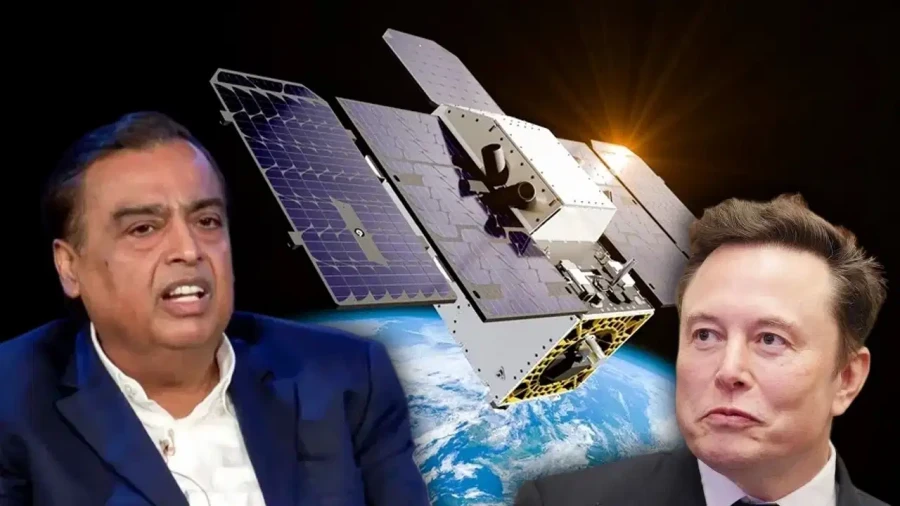
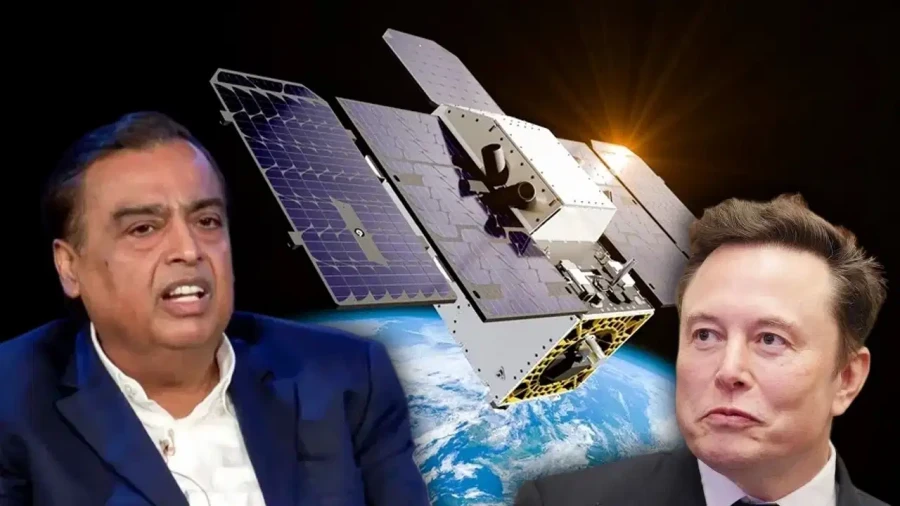
In a major development for the global telecommunications and space sectors, Mukesh Ambani led Reliance Jio is preparing to challenge the dominance of Elon Musk's Starlink. Reliance Jio is gearing up to launch a massive constellation of 1600 to 1650 satellites into space. This ambitious project aims to establish a solid presence in the Low Earth Orbit (LEO) sector, which is currently dominated by international players. According to sources familiar with the development, the company plans to deploy these satellites at an altitude of approximately 650 kilometers over the next 2 to 3 years. The primary objective of this satellite network is to provide high-speed broadband and direct-to-device services across the region, marking a significant expansion of Jio's digital ecosystem into the stars.
Regulatory Submissions and Technical Review
Reliance Jio has already taken concrete steps toward realizing this vision. Reports indicate that the company has submitted a formal proposal to the Indian National Space Promotion and Authorization Center (IN-SPACe), which serves as the country's space regulator. Currently, the technical architecture and configuration of the proposed satellite constellation are under rigorous examination by the regulator. The plan involves creating a Low Earth Orbit (LEO) constellation that will facilitate easy connectivity, while by positioning the satellites at an altitude of 650 kilometers, Jio aims to ensure low latency and high-speed data transmission, which are critical for modern broadband and direct-to-device applications. The technical review process is essential to ensure that the constellation operates efficiently without interfering with other space assets.
Strategic Importance and National Security
This initiative marks the first time an Indian company is attempting to enter the highly profitable and strategic LEO sector on such a large scale. Currently, this sector is heavily dominated by Elon Musk's Starlink, which has approximately 10000 satellites already in orbit. The move by Reliance Jio is seen as a significant step toward self-reliance in space technology. National security concerns have played a pivotal role in this decision, as the country seeks to reduce its dependence on foreign satellite companies for critical communication infrastructure. An official, speaking on the condition of anonymity, stated that the government is considering assisting Jio in its filings with the International Telecommunication Union (ITU) to secure necessary orbital slots. This support is part of a broader strategy to encourage Indian companies to enter this strategic sector, with the government expressing readiness to help other domestic firms with similar ambitions.
Competitive Landscape in Low Earth Orbit
The race for dominance in the LEO sector is intensifying globally. Apart from Starlink, other major players are also making significant strides. Jeff Bezos's company, Amazon, is in the process of deploying approximately 3200 satellites in LEO, with more than 300 already launched into orbit. Another key competitor is Eutelsat OneWeb, where the Bharti Group, led by Sunil Mittal, is the second-largest shareholder after the French government. Eutelsat OneWeb currently has about 654 satellites in space. Reliance Jio already has a joint venture with SES, a Luxembourg-based company. While SES has a presence in Geostationary and Medium Earth Orbits, it currently lacks a presence in the Low Earth Orbit (LEO) segment, making Jio's new plan a critical expansion of its satellite capabilities, while the entry of Jio into this space signifies a new era of competition that could lead to better connectivity and more options for consumers worldwide.