
- India,
- 18-Jul-2026 11:50 AM IST



India is on the threshold of a monumental achievement in its space exploration history as Skyroot Aerospace, a Hyderabad-based private space firm, prepares to launch Vikram-1. This mission, scheduled for Saturday, July 18, marks the launch of India's first privately developed orbital rocket. The event is set to take place at the Satish Dhawan Space Centre in Sriharikota at 11:30 AM. This significant endeavor has been officially named Mission Aagman, symbolizing the arrival of a new era in the nation's space sector. Prime Minister Narendra Modi has expressed immense pride and joy regarding this development, describing it as a historic beginning for India's space journey and extending his heartfelt best wishes to the entire Skyroot team.
PM Modi Hails the Historic Milestone
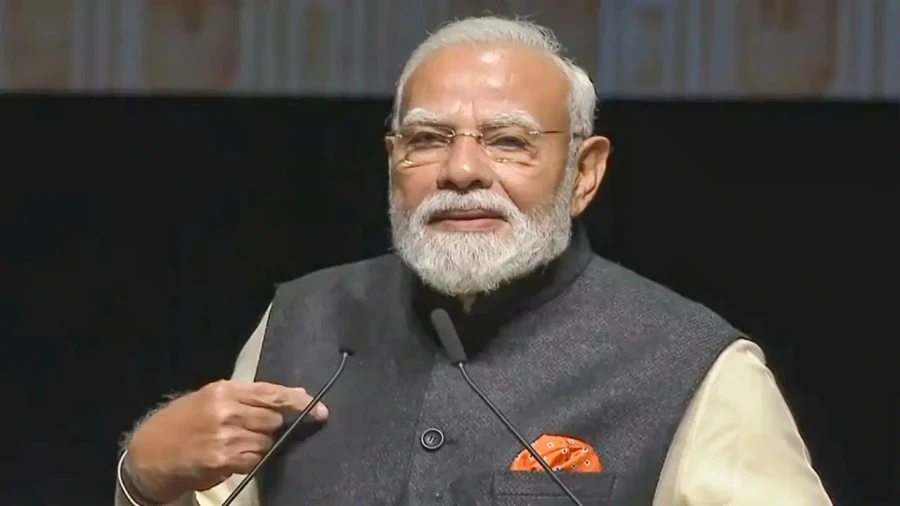
Ahead of the highly anticipated launch, Prime Minister Narendra Modi took to social media to share his thoughts on the mission. He stated that this is a historic start for India's space journey. The Prime Minister highlighted that at 11:30 AM today, Skyroot Aerospace will conduct the first orbital launch of Vikram-1, which is India's first privately developed launch vehicle. According to the Prime Minister, this mission is a clear reflection of the rapidly growing capabilities of India's private space sector. He emphasized that the four-stage rocket has been specifically designed to provide rapid and on-demand launch services, catering to the evolving needs of the global space market. On top of that, PM Modi noted that this mission points to the talent, determination, and entrepreneurial spirit of India's youth.
Impact of Space Sector Reforms
Highlighting the broader significance of the mission, PM Modi pointed out that it demonstrates the positive impact of the reforms introduced in India's space sector, while while wishing the team success, he said, "My heartiest best wishes to the entire team of Skyroot Aerospace for a successful launch. " The Prime Minister also made a special appeal to the citizens of India, particularly the youth, urging them to witness this historic mission and use the hashtag #IndiaWithVikram1 to share their best wishes for the success of the Skyroot team.
Support from ISRO Leadership
The mission has also received significant praise from the scientific community. Former ISRO Chairman S. Somanath congratulated Skyroot Aerospace and described the mission as a major milestone for India's private space industry. " He further added that this is much more than just the first orbital flight of a rocket; it symbolizes the arrival of India's private rocket manufacturing capability and reflects remarkable progress in the field.
Technical Specifications and Payloads
Vikram-1 is a technologically advanced rocket, being the first orbital vehicle made entirely of a lightweight and strong carbon-composite structure. Skyroot Aerospace has prepared this rocket on the launch pad after years of rigorous testing and preparation, while all necessary checks for the rocket have been successfully completed. The rocket has the capacity to carry a payload of up to 350 kg. It features engines developed in-house by the company, including sophisticated 3D printed engines. Along with the rocket, several technical payloads are being sent into space, including those from Graha Space, Cosmoserve, D-Qubed, and Skyroot's own experimental payloads. Notably, the mission also carries a postcard with a handwritten Vande Mataram message from PM Modi, along with messages from current and former ISRO chiefs and Indian astronauts.
Vision of Skyroot Leadership
Pawan Kumar Chandana, Co-founder and CEO of Skyroot Aerospace, shared his excitement regarding the launch. He stated that the team has made every possible effort to test Vikram-1 on the ground. He mentioned that on July 18, they're eager to see how Vikram-1 performs for the first time in a real flight environment. Chandana emphasized that this is their first test flight, which will provide invaluable data. This data will serve as a strong foundation for Skyroot's goals of maintaining a steady launch pace in the future. The entire team remains excited to complete this mission successfully.