
- India,
- 10-Jun-2026 06:24 PM IST



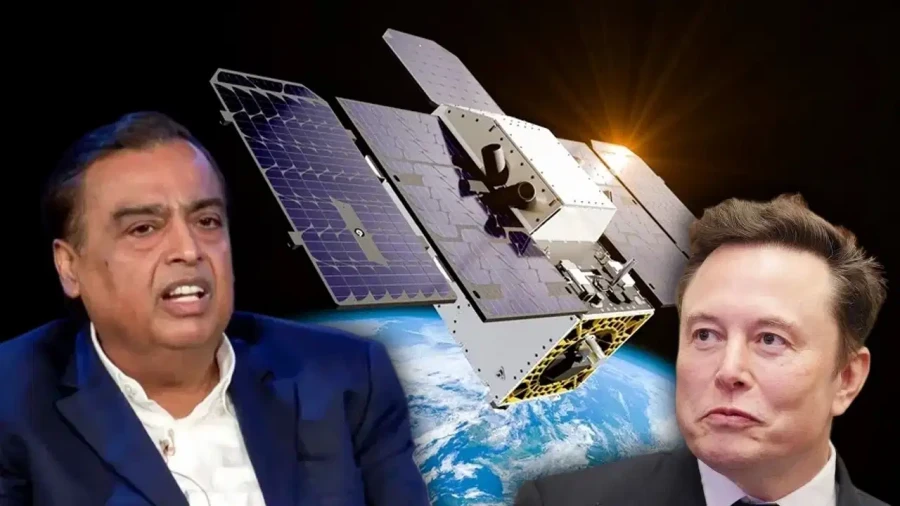
The global investment community is buzzing with excitement as SpaceX, the aerospace company led by the world's richest man, Elon Musk, moves closer to a potential Initial Public Offering (IPO). SpaceX has consistently pushed the boundaries of space technology, and its entry into the public market is expected to be one of the most significant financial events in recent history. 75 trillion. If these projections hold true, the SpaceX IPO will rank among the largest the world has ever seen, attracting interest from institutional and retail investors alike.
The Challenge for Indian Investors
While the enthusiasm for SpaceX is global, Indian retail investors face a significant hurdle, while due to current regulatory frameworks and the nature of international stock listings, investors residing in India can't participate directly in the SpaceX IPO. Direct subscription to shares of a US-based company during its initial offering is often restricted or complex for individual investors abroad. However, this doesn't mean that Indian investors are completely locked out of the potential growth that SpaceX offers. Financial experts have identified a strategic indirect route that allows Indians to benefit from the company's success through the mutual fund route.
The Nasdaq-100 Connection
The key to investing in SpaceX from India lies in the Nasdaq-100 index. Market analysts believe that once SpaceX goes public, it's highly likely to be included in the Nasdaq-100, an index that already hosts global technology giants such as Apple, Microsoft, Nvidia, Amazon, Alphabet, and Meta. The Nasdaq-100 is a benchmark for the world's most innovative and high-growth companies. If SpaceX becomes a part of this index, any mutual fund or Exchange Traded Fund (ETF) that tracks the Nasdaq-100 Total Return Index (TRI) will be required to purchase SpaceX shares to maintain its index-tracking mandate. Consequently, Indian investors who hold units in these funds will automatically gain exposure to SpaceX.
Top 5 Mutual Funds for SpaceX Exposure
Several mutual funds in India currently track the Nasdaq-100, providing a gateway to US tech stocks.
- Axis Nasdaq 100 US Specific Equity Passive Fund of Fund: This fund has demonstrated strong performance, delivering an annual return of approximately 35 percent since its launch. It offers a passive investment strategy focused on the top 100 non-financial companies listed on the Nasdaq.
- ICICI Prudential Nasdaq 100 Index Fund: Recognized as the largest fund in this category, it boasts an Asset Under Management (AUM) exceeding 3,000 crore rupees. Its size and liquidity make it a preferred choice for many Indian investors seeking US market exposure.
- Invesco India Invesco EQQQ Nasdaq-100 ETF Fund of Fund: This fund has provided a steady annual return of about 26 percent since its inception, tracking the performance of the EQQQ ETF which mirrors the Nasdaq-100.
- Motilal Oswal Nasdaq 100 Fund of Fund: One of the most popular and established funds in this segment, it manages a massive AUM of over 12,000 crore rupees. It has a long track record of helping Indian investors diversify into the US tech sector.
- Navi Nasdaq100 US Specific Equity Passive Fund of Fund: This fund is gaining rapid popularity due to its attractive returns and low-cost structure, making it an accessible option for those looking to track the Nasdaq-100 index.
Why SpaceX is a High-Value Target
Investors aren't just looking at SpaceX as a rocket company; they view it as a cornerstone of the future global economy. SpaceX operates in several high-growth sectors, including advanced space exploration, satellite internet through its Starlink division, and the burgeoning space tourism industry. Its ability to reuse rockets has revolutionized the cost of space travel, giving it a competitive edge that's hard to match. As the company continues to deploy thousands of satellites and plans for missions to Mars, its growth potential remains immense. For Indian investors, utilizing Nasdaq-100 based mutual funds offers a diversified and regulated way to participate in this technological revolution without the complexities of direct foreign stock ownership.