

- India,
- 03-Apr-2026 05:17 PM IST


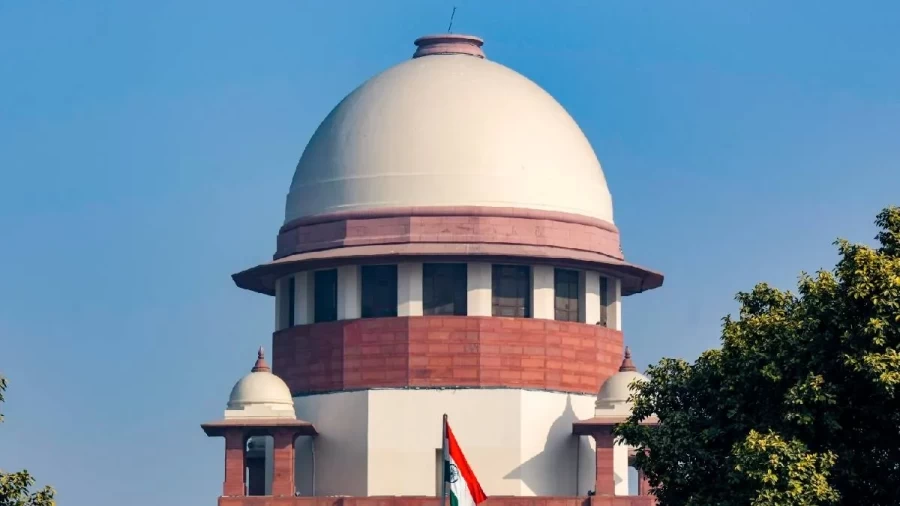
The Supreme Court of India has issued a significant modification to its previous directive regarding the Rajasthan Public Service Commission (RPSC) Sub-Inspector (SI) and Platoon Commander recruitment examination. A bench comprising Justice Dipankar Datta and Justice Satish Chandra Sharma ruled that the interim relief previously granted would now be restricted exclusively to the original petitioner, Suraj Mal Meena. This decision effectively excludes approximately 95,400 other candidates who were initially expected to benefit from the court's earlier intervention. The modification came after the RPSC moved the apex court, citing logistical and administrative hurdles in accommodating a vast number of additional candidates on short notice.
The legal proceedings stem from a petition filed by Suraj Mal Meena, who had sought a postponement of the examination by at least four weeks after being unable to appear. On April 2, the Supreme Court had initially passed an order that appeared to open the doors for many similarly situated candidates. However, the latest ruling clarifies the scope of that relief, emphasizing that the judicial intervention was specific to the grievances raised by the individual petitioner before the court at that time.
Modification of the April 2nd Judicial Order
In its latest session, the Supreme Court bench specifically addressed paragraphs 5 and 6 of its April 2 order. These paragraphs had previously suggested that the interim permission to appear in the examination could be extended to other candidates like the petitioner. By deleting these specific clauses, the court has narrowed the legal gateway. The bench noted that the primary objective of the initial order was to address the immediate grievance of the petitioner, and the broader application had created unforeseen administrative complexities for the state recruitment body.
RPSC Logistical Concerns and Legal Arguments
The Rajasthan Public Service Commission (RPSC) filed a modification application highlighting the practical impossibility of implementing the broader order, while 21 lakh candidates in total. Including an additional 95,400 candidates under the interim relief umbrella would require a complete overhaul of examination centers, question paper printing, and security arrangements. The RPSC argued that such a massive adjustment wasn't feasible within the current recruitment timeline and could jeopardize the integrity of the entire selection process.
Impact on Thousands of Candidates
The decision has direct implications for nearly 95,400 aspirants who were hoping to use the court's earlier stance to secure a chance at the SI/Platoon Commander recruitment. These candidates are now excluded from the immediate interim relief. The court observed that since these individuals had not independently approached the court for relief prior to the order, the benefit couldn't be automatically extended to them as a class. This leaves a significant portion of the applicant pool in a state of uncertainty regarding their participation in the upcoming phases of the recruitment.
Future Legal Recourse for Other Applicants
While the Supreme Court has limited the current relief, it has not permanently closed the doors for other candidates. The bench clarified that the final determination of the matter rests with the Division Bench of the Rajasthan High Court. Once the High Court delivers its judgment on the merits of the recruitment process and the eligibility criteria, other candidates retain the liberty to seek legal remedies. The Supreme Court emphasized that its current modification is an interim measure based on the specific circumstances and the logistical data provided by the RPSC.
Current Status of the Recruitment Process
The RPSC SI/Platoon Commander recruitment remains one of the most high-profile selection processes in Rajasthan. With the Supreme Court's latest clarification, the commission is expected to proceed with the examination schedule focusing on the original list of eligible candidates and the single petitioner granted relief. The state authorities are closely monitoring the legal developments as the case returns to the jurisdiction of the Rajasthan High Court for a comprehensive hearing on the underlying disputes regarding the examination's conduct and timing.
