

- India,
- 21-Feb-2026 06:00 AM IST


Team India has secured its place in the Super-8 round of the T20 World Cup 2026 after winning all four of its group stage matches. However, despite this winning streak, a significant tactical weakness in the Indian batting lineup has been exposed. Opposing teams have effectively used off-spin bowling against the Indian top order, particularly targeting the left-handed batsmen. According to statistical data, out of the 31 wickets lost by India in the group stage, 11 were taken by off-spinners. This trend has raised concerns within the team management as they prepare to face opponents in the Super-8 who possess high-quality off-spin options.
The Revival of a 34-Year-Old Historical Tactic
The strategy of opening the bowling with an off-spinner was famously pioneered by former New Zealand captain Martin Crowe during the 1992 ODI World Cup. In a surprise move against defending champions Australia, Crowe introduced off-spinner Dipak Patel in the opening overs. This tactic stunned the cricketing world at the time and caused significant trouble for the Indian team throughout that tournament. Now, 34 years later, teams in the T20 World Cup 2026 are reviving this surprise tactic. In modern T20 cricket, using off-spinners during the powerplay has become a primary weapon to stifle the scoring rate of the Indian opening pair.
Dominance of Off-Spinners in the Group Stage
During the group stage, Pakistan, Netherlands, and Namibia employed nearly identical strategies against India. In the match against Pakistan, captain Salman Agha took the ball himself for the first over and successfully claimed the wicket of Abhishek Sharma. Similarly, in the encounter against the Netherlands, Aryan Dutt led the bowling attack in the first over and dismissed Abhishek Sharma early. He later went on to send Ishan Kishan back to the pavilion as well. The story continued against Namibia, where captain Gerhard Erasmus troubled the Indian batters with his off-spin, claiming 4 wickets. These matches have clearly demonstrated that Indian batsmen are struggling to negotiate off-spin in the initial overs.
Growing Challenges for Left-Handed Batters
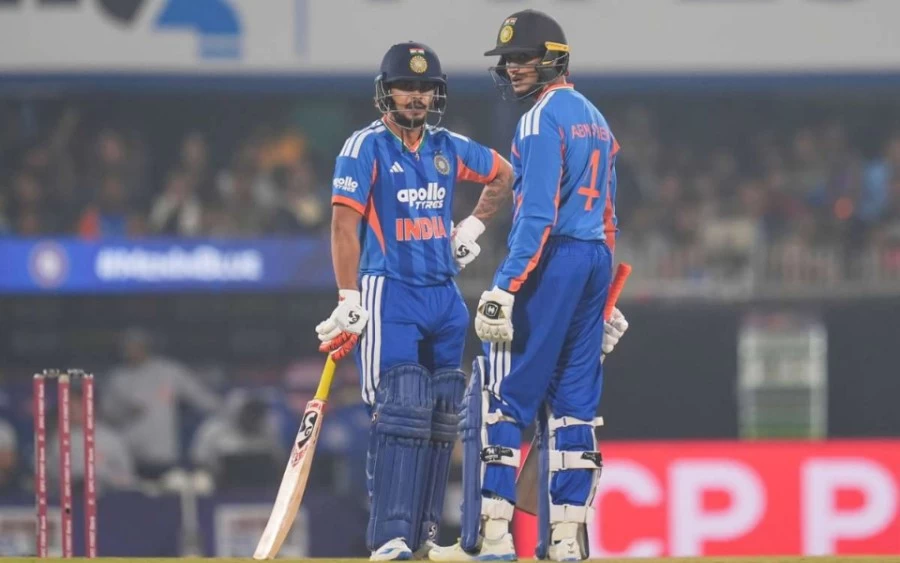
The presence of left-handed batsmen like Ishan Kishan and Abhishek Sharma at the top of the order makes this off-spin strategy even more effective. According to cricketing technicalities, the ball from an off-spinner turns away from the left-handed batsman, increasing the risk of edges or mistimed shots, while in the group stage, it was observed that whenever an off-spinner was introduced, Indian batters lost their wickets while trying to accelerate the scoring. While both Abhishek Sharma and Ishan Kishan are known for their aggressive style, their technique and footwork against spin are being questioned, while opposing captains have identified this vulnerability and are consistently deploying spinners during the powerplay.
Potential Threats in the Super-8 Round
In the Super-8 round, India is likely to face teams such as South Africa, Zimbabwe, and the West Indies. These teams have off-spinners capable of taking wickets at any stage of the game. South Africa has options like Aiden Markram and Tristan Stubbs, while Zimbabwe's Sikandar Raza and Brian Bennett are known for their disciplined and accurate bowling. The West Indies squad includes Roston Chase, an experienced off-spinner who can exploit Caribbean-style conditions. If the Indian batsmen don't address this weakness, these teams could apply immense pressure in the early overs of crucial Super-8 matches.
Environmental Factors and Coaching Staff Observations
Assistant Coach Ryan ten Doeschate has discussed the upcoming challenges, specifically mentioning venues like Colombo and Ahmedabad. According to him, the pitches in Colombo are traditionally slow and offer significant assistance to finger spinners. On the other hand, the large boundaries at the Narendra Modi Stadium in Ahmedabad give spinners the confidence to toss the ball up and invite risky shots. In such conditions, the impact of off-spinners is amplified. The coaching staff suggests that the team needs to adapt its batting approach to prevent a collapse against spin. It remains to be seen how the Indian top order will counter this 34-year-old tactic in the upcoming high-stakes matches.
