
- India,
- 25-Sep-2026 12:13 PM IST



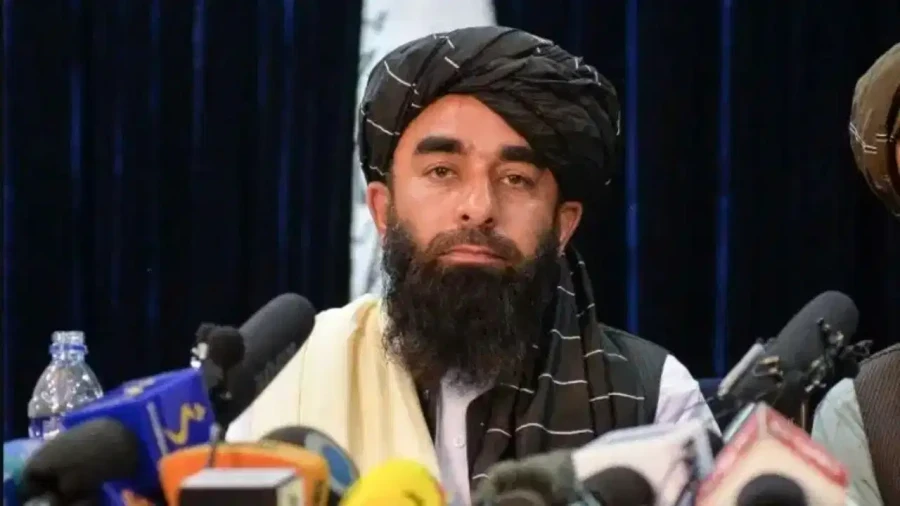
The geopolitical landscape of South Asia is witnessing a significant shift as the Taliban administration in Afghanistan has leveled serious allegations against Pakistan. Zabihullah Mujahid, the spokesperson for the Afghan Taliban, has claimed that Islamabad is intentionally orchestrating military strikes on Afghan soil to create a pretext for exiting its international defense obligations. Specifically, the Taliban suggests that Pakistan is attempting to distance itself from the Mecca Joint Defense Agreement, a tripartite pact involving Saudi Arabia and Turkey. This accusation comes at a time when cross-border tensions have reached a boiling point following a series of aerial operations conducted by the Pakistani military.
The Core of the Allegation: The Mecca Pact
According to Zabihullah Mujahid, Pakistan's recent military maneuvers aren't merely about counter-terrorism but are part of a broader strategic game. The Taliban spokesperson asserts that Islamabad is seeking a way out of the Mecca Joint Defense Agreement, which was signed on August 7, 2026. This agreement established a mutual defense framework between Saudi Arabia, Turkey, and Pakistan. Under the terms of this pact, an armed attack on any one of the three signatory nations is considered an attack on all three, necessitating a collective defense response and enhanced military cooperation, while mujahid argues that by engaging in a self-created conflict with Afghanistan, Pakistan is trying to portray itself as being too preoccupied with its own border security to fulfill its commitments to Saudi Arabia, especially as the Kingdom faces ongoing threats from Houthi rebels.
Zabihullah Mujahid's Statements in Kandahar
Speaking at a gathering organized by a religious madrasa in Kandahar on Thursday, Zabihullah Mujahid was blunt in his criticism of Islamabad. He alleged that Pakistan is deliberately creating a state of war with Afghanistan to evade its responsibilities under the tripartite agreement, while mujahid stated that the recent attacks carried out by Pakistan on Afghan territory were aimed at avoiding the Mecca Agreement with Saudi Arabia, while presenting a narrative that Pakistan is deeply embroiled in a conflict in Afghanistan. He further claimed that these military actions are a tactic to divert the attention of the Pakistani public from the country's internal and domestic problems, while by maintaining a state of friction through repeated military strikes, Mujahid believes Pakistan is playing a calculated game to serve its own strategic interests at the cost of regional stability.
Military Strikes and Civilian Casualties
The accusations from the Taliban follow a series of Pakistani airstrikes that have targeted multiple locations within Afghanistan. According to Afghan officials, the Pakistani military hit 10 targets across various regions, including Kandahar, Paktia, and Khost. Kandahar is particularly significant as it's considered the stronghold of the Taliban's supreme leader, Hibatullah Akhundzada. The Afghan authorities have reported that these strikes resulted in the deaths of 4 civilians. While Pakistan's Information Minister confirmed that the military targeted 10 locations, the specific details of all targets weren't fully disclosed. Islamabad has justified these actions by accusing Afghanistan of allowing terrorist sanctuaries to operate on its soil, claiming that militant activities and drone attacks are being launched from Afghan territory against Pakistan.
Escalating Tensions and Conflicting Narratives
The situation has led to a sharp increase in tension between the two neighboring nations. While Pakistan maintains that its strikes are necessary for its national security and are directed at terrorist hideouts, the Taliban administration in Kabul has vehemently denied these allegations. The Taliban asserts that there are no such terrorist bases and that Pakistan is using these claims as a cover for its broader geopolitical maneuvers. The backdrop of this conflict is further complicated by the situation in the Middle East, where Houthi rebels continue to launch attacks against Saudi Arabia, while despite the Mecca Joint Defense Agreement, Pakistan has not yet stepped forward to provide military assistance to Saudi Arabia, which has led to questions regarding its commitment to the pact. This complex web of military actions, international agreements, and verbal accusations continues to strain the relationship between Islamabad and Kabul, with no immediate resolution in sight.