
- India,
- 18-Sep-2026 07:22 AM IST



Tata Motors, a dominant player in the Indian automotive industry, has officially announced a price revision for its commercial vehicle portfolio, while effective from October 1 2026, the company will implement a price increase of up to 1 percent across its range of commercial vehicles. This decision is expected to impact a wide spectrum of buyers, including individual transporters, small-scale entrepreneurs, and large fleet operators who rely on Tata Motors for their logistics and transportation needs. The announcement comes just ahead of the festive season, a period typically associated with high sales and fleet expansions.
Scope and Variability of the Price Hike
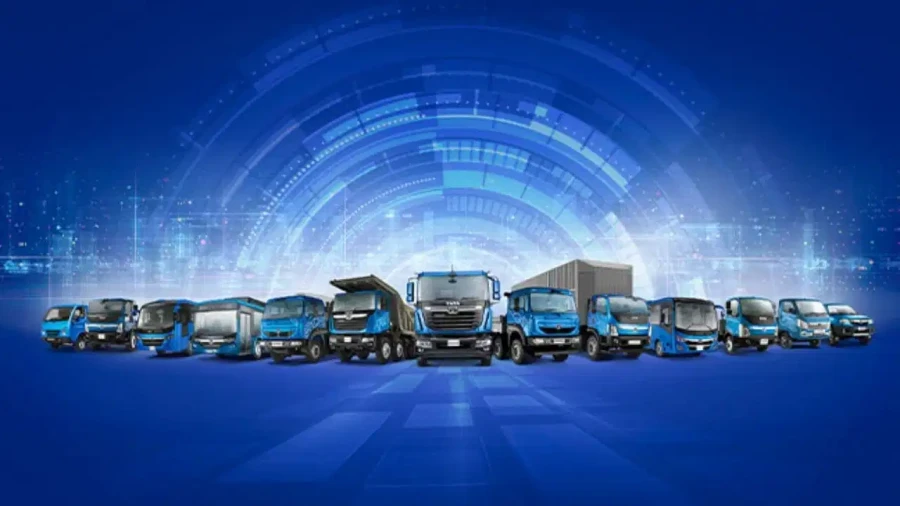
The upcoming price hike will be applicable to various categories of commercial vehicles, including heavy-duty trucks, buses, mini trucks, and pickups. However, the company has clarified that the increase won't be uniform across the board. The exact percentage of the hike will vary depending on the specific model and variant. This means that while some models might see a marginal increase, others could experience a hike closer to the 1 percent limit. This variability allows the company to balance the impact across different market segments based on demand and production costs associated with specific vehicle types.
Reasons Behind the Price Revision
Tata Motors has attributed this price adjustment to the consistent rise in the cost of raw materials and other input expenses. The company stated that the hike is necessary to offset a portion of the increased manufacturing costs that have accumulated over recent months. By passing on a small fraction of these costs to the consumers, the company aims to maintain its operational sustainability and continue delivering high-quality vehicles, while the automotive industry has been grappling with fluctuating prices of essential commodities, which directly influences the final pricing of vehicles.
Historical Context of Price Hikes in 2026
It's important to note that this is the third time Tata Motors has raised prices for its commercial vehicles in the year 2026. The first hike of the year took place on April 1 2026, where prices were increased by up to 1 point 5 percent. This was followed by another significant revision on July 1 2026, which saw prices go up by as much as 2 point 5 percent. The announcement for the July hike was made earlier on June 18. When combining the maximum limits of all three hikes in 2026, the cumulative increase reaches up to 5 percent. However, the actual impact on each vehicle depends on the specific model and the base price at the time of each revision.
Understanding Commodities and Input Costs
The manufacturing of a truck or a bus involves a complex array of materials known as commodities, while these include steel, aluminum, copper, rubber, plastic, and various electronic components. When the global or domestic prices of these materials rise, the overall cost of production for the manufacturer increases. Beyond raw materials, input costs also encompass expenses related to electricity, transportation, logistics, and the broader supply chain. Any disruption or price surge in these areas adds to the financial burden on the manufacturer, leading to periodic price adjustments for the end consumer.
Estimated Financial Impact on Buyers
To understand the impact of a 1 percent hike, consider a commercial vehicle with an ex-showroom price of 1000000 rupees. A 1 percent increase would mean an additional cost of approximately 10000 rupees. Similarly, for a truck priced at 2000000 rupees, the increase would be around 20000 rupees, and for a high-end vehicle costing 4000000 rupees, the price could go up by 40000 rupees. These figures are illustrative examples, and the actual on-road price will also be influenced by factors such as insurance, road tax, registration fees, and any applicable dealer discounts. Potential buyers are advised to contact their nearest authorized dealers to get the most accurate and updated pricing information before making a purchase decision.