
- India,
- 09-Jul-2026 07:58 AM IST



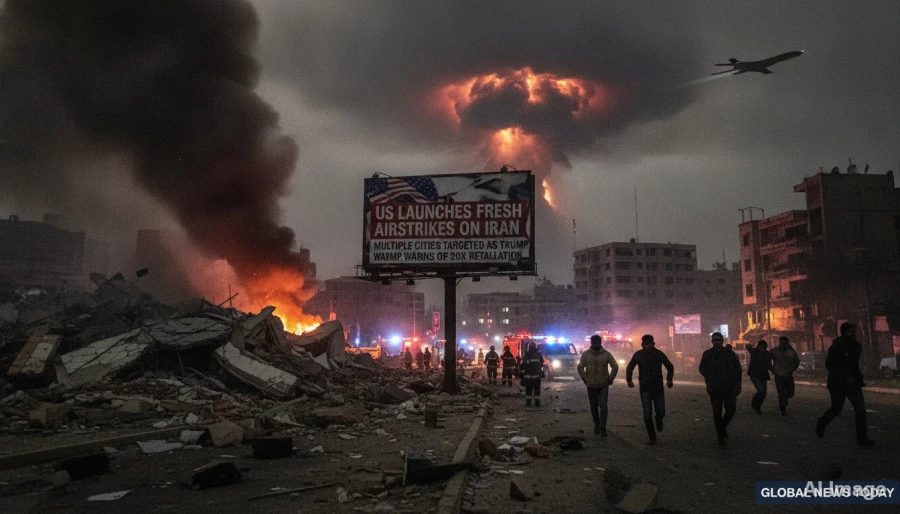
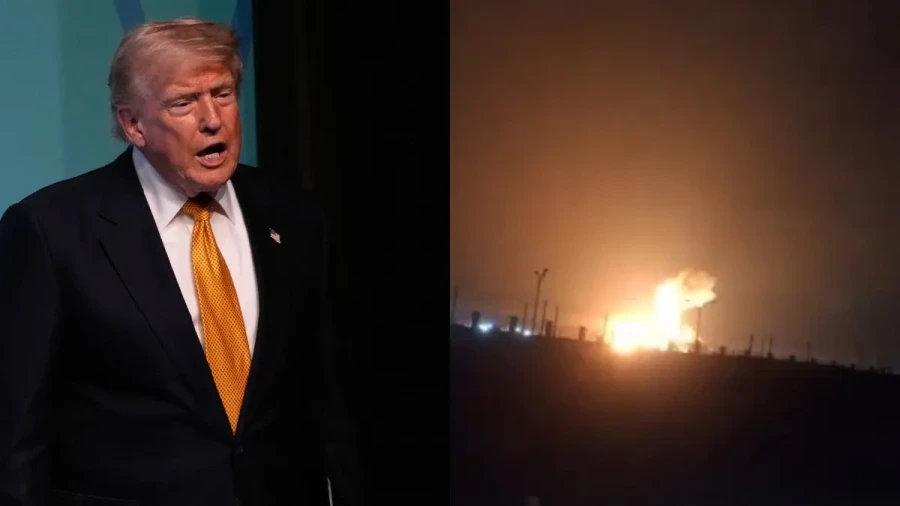
The geopolitical situation in the Middle East has taken a dramatic turn as the United States Air Force launched a series of intensive missile strikes against several strategic locations within Iran over the past few hours. According to reports, the latest wave of aerial attacks targeted critical installations in the cities of Chabahar, Bushehr, and Bandar Abbas, while these strikes mark a significant escalation in the long-standing friction between Washington and Tehran, pushing the relationship to a new breaking point. The timing of these military operations is particularly sensitive, as they occurred on 9 July, the same day the funeral procession of Iran's former Supreme Leader, Ayatollah Sayyid Ali Khamenei, reached the city of Mashhad for his final rites.
Strategic Targets and Timing of the Strikes
The American military strikes were concentrated on three major coastal and strategic hubs: Chabahar, Bushehr, and Bandar Abbas. While these cities faced the brunt of the missile fire, the city of Mashhad, where the funeral of Ayatollah Khamenei was being held, remained untouched. Geographically, the targeted cities of Chabahar and Bushehr are located approximately 1100 to 1200 kilometers away from Mashhad. The US military has stated that the primary objective of these precision strikes was to ensure the safety and security of maritime traffic in the Strait of Hormuz and to Importantly diminish Iran's offensive capabilities. The operation aims to neutralize potential threats to international shipping lanes that are vital for global trade.
Trump's Stern Warning at the NATO Summit
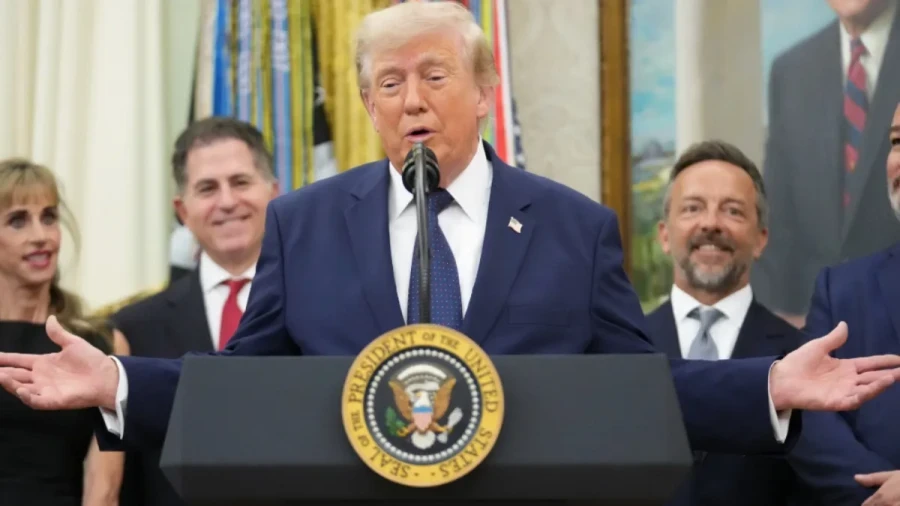
The military action follows a series of hardline statements from US President Donald Trump, which have further fueled fears of an all-out war. Speaking during the NATO summit, President Trump explicitly stated that, in his view, the existing ceasefire agreement with Iran has reached its end. Trump was quoted as saying, "I don't think I want a deal anymore, while " Despite the intensity of the strikes, Trump clarified that this doesn't necessarily mean the United States is entering into a prolonged, years-long war. He emphasized that whatever happens will occur very rapidly, suggesting a swift and decisive military approach rather than a long-term occupation.
JD Vance and the Iranian Response
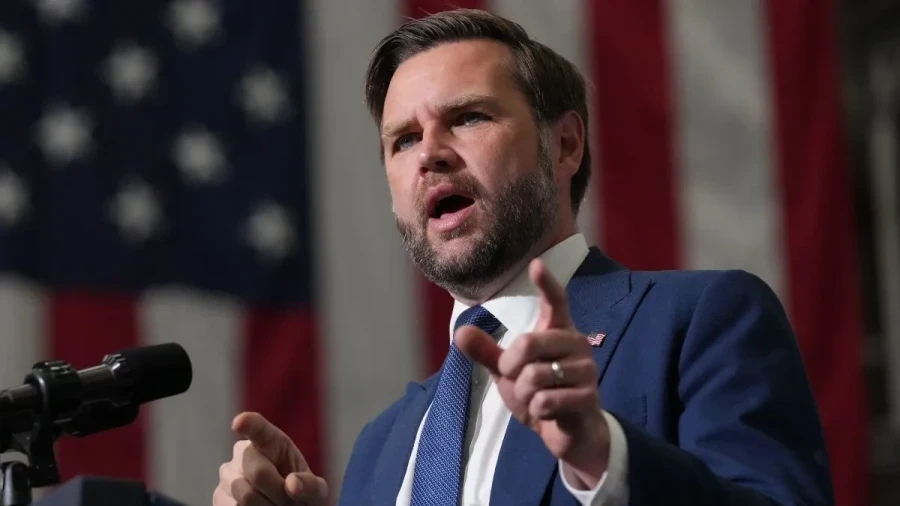
Adding to the administration's firm stance, US Vice President JD Vance expressed a similarly tough position during an event in Milwaukee. Vance remarked that Iran had only shown signs of improvement for about 1 week before returning to provocative actions. He issued a direct warning, stating that if Iran attacks American ships, the US won't hesitate to destroy them. On the other side, Iran has vehemently denied the allegations leveled by the US and has accused Washington of being the one to violate international agreements. Mohammad Bagher Ghalibaf, Iran's chief negotiator and Speaker of the Parliament, took to the social media platform X to voice his defiance. Ghalibaf wrote that the Trump administration has repeatedly breached the terms of the initial agreement, which forced Iran to respond. He stated, "The era of bullying and extortion is now over. This will achieve nothing, while " Tehran further alleges that Washington is violating the rules of the Strait of Hormuz and has failed to enforce ceasefire conditions, including the withdrawal of Israeli forces in Lebanon.